

By John Revill and Oliver Hirt
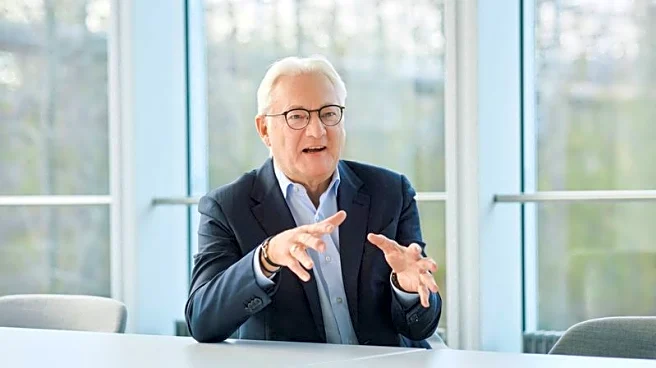
ZURICH, March 13 (Reuters) - ABB is stepping up its acquisition drive and is open to pursuing more than one multi-billion dollar transaction, Chairman Peter Voser told Reuters, as the Swiss engineering group looks to speed up growth after years of divestments.
Voser said ABB, which has a market cap of 125 billion Swiss francs ($159 billion), was evaluating acquisitions of up to several hundred million dollars, but was prepared to "step up" to bigger deals for the right
target.
"If you look at our balance sheet and the cash flow we produce every year, and the $5 billion coming in from the robotics divestment, we could also do more than one larger deal," Voser said in an interview at ABB's Zurich headquarters.
The comments point to a more aggressive acquisition focus by ABB after years of sales, including the robotics division deal with SoftBank last year.
Voser declined to comment on reports that ABB had considered bidding for French electrical equipment maker Legrand, a transaction that would have been the Swiss group's biggest ever. Legrand has a market value of around $43 billion.
"ABB has never done such a large deal but generally speaking I wouldn't completely rule out a deal of that size in the future," Voser said. However, he added that deals closer to its record $4.2 billion purchase of motor maker Baldor were more likely.
BOOSTING GROWTH WITH M&A
ABB, a competitor to Siemens and Schneider Electric, has recently focused on raising profit margins and offloading businesses outside electrification products used in areas like data centres and automation.
Future deals would be focused on electrification, motion and automation, Voser said, with the company "constantly in negotiations" on smaller transactions, while larger deals remain an active topic at board and executive committee level.
"We want to grow organically by 5-7% on average per year, but we have aspirations to grow more, and that will come through M&A," he said, referring to sales.
MIDDLE EAST CRISIS COULD HIT GLOBAL DEMAND
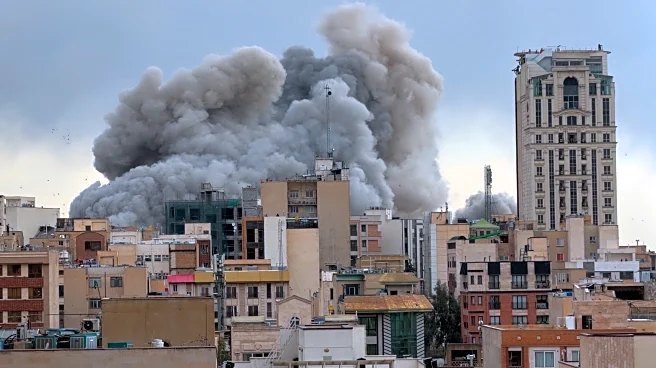
While ABB has so far seen no major negative effects from the Middle East conflict, which began on the last day of February, Voser, a former CEO of energy firm Shell, warned the crisis risked an energy hit to the global economy, hurting demand and investment if it persists.
"The longer it lasts, the more the global economy will suffer - you will get energy shortages, prices will go up, and that should have a direct impact on demand," he said.
Voser said that even if the conflict ended soon, complex energy systems would take time to restart.
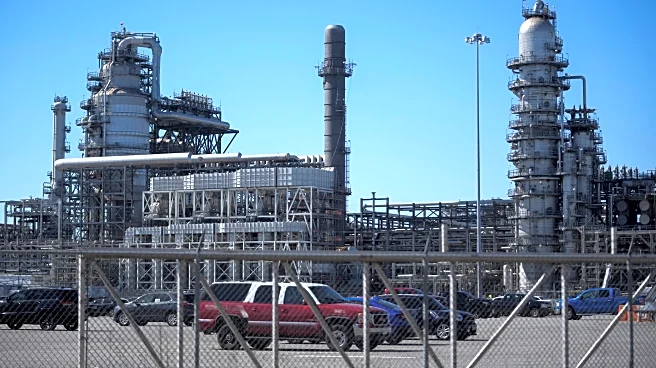
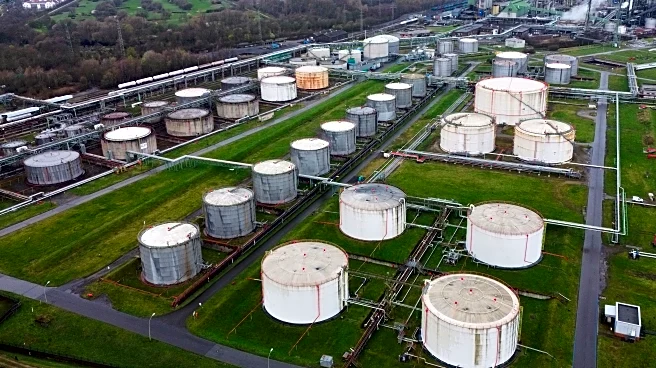
"To restart a refinery is not a one-day show; it will take one or two months before the whole global energy supply system would be fully working again," he said.
Still, the executive, who is also an IBM board member, remained optimistic about demand tied to electrifying data centres that support artificial intelligence workloads, which has been a leading growth driver.
But he cautioned that some debt-funded AI companies without revenue may not survive, potentially creating credit stress, particularly in the United States.
The 67-year-old executive, who has been ABB chairman since 2015, also signalled a board refresh starting next year, opening the way for his potential departure in 2028 when he turns 70.
"We're planning to make some changes to the board and then obviously at some stage my time comes as well," he said.
($1 = 0.7844 Swiss francs)
($1 = 0.8685 euros)
(Reporting by John Revill; Editing by Adam Jourdan and Kirsten Donovan)