







By Robert Harvey
LONDON, Oct 1 (Reuters) - Brent benchmark oil prices rose around 2% on Thursday after China suspended oil products exports, potentially tightening fuel markets already coping with supply shortages globally, while investors continued to assess diplomatic efforts to end the US-Israeli war on Iran.
The new front-month December Brent crude futures contract traded at $99.77 per barrel at 1312 GMT, up 1.8%, or $1.7, from Wednesday's close. The November contract expired on Wednesday, settling
at $103.50 per barrel, marking a monthly gain of around 14% in September for the front-month contract.
US West Texas Intermediate crude was up 37 cents, or 0.4%, to $90.79 a barrel, having traded close to $93 earlier in the session.
Prices were volatile on Thursday, having slipped more than 1% in early trading before rebounding.
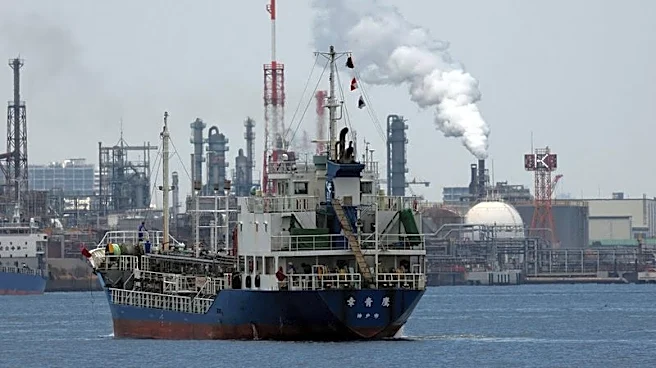
Chinese refiners have suspended exports of oil products to regions beyond Hong Kong and Macau until further notice, four people briefed on the matter said on Thursday, a move that will further crimp war-constrained fuel markets.
"The Chinese export ban suggests concerns about domestic product availability," UBS analyst Giovanni Staunovo said, adding that it remains to be seen whether the measures will support higher crude imports after recent drawdowns in Chinese crude and fuel stocks.
Global diesel supplies have tightened as a result of falling refining capacity due to attacks linked to the Middle East and Ukraine wars, raising pressure on governments to intervene to shield consumers.
"China’s pause removes a source of flexible supply at a particularly difficult moment. Middle Eastern disruptions have already reduced the availability of refined products, so importers have fewer alternatives," said Nitesh Shah, commodity strategist at WisdomTree.
The Trump administration has told Germany and France to draw down emergency diesel inventories to help ease global fuel prices or face a potential US diesel export ban, three people close to the discussions said.
European diesel refinery profit margins were trading at around $78.22 per barrel at 1145 GMT, down about 6% from the previous session. The margin hit an all-time high of $95 per barrel on September 23.
"The US has been failing to make any progress on mitigating the diesel shortage, so this weakness should not last. Product inventories in major hubs are also tight; the latest example of this is Singapore," said PVM analyst Tamas Varga.
Investors continued to watch diplomacy efforts and oil exports in the Middle East.
Iran is preparing a broader and more forceful response if the US resumes large-scale military attacks, sources said, while continuing a diplomatic push that Iranian officials privately see as unlikely to succeed.
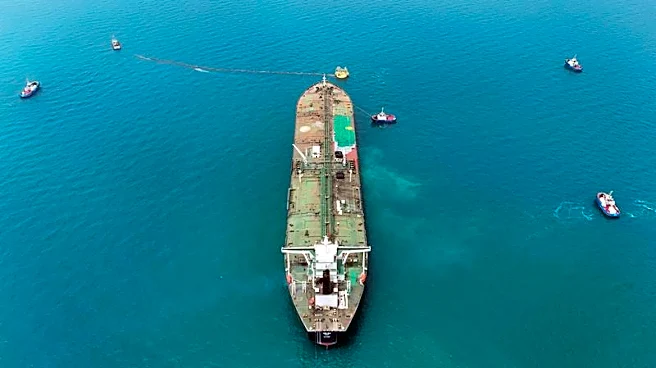
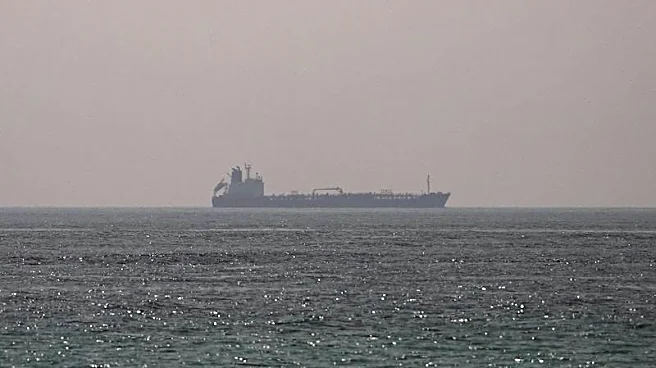
Saudi Arabia resumed oil tanker loadings from Yanbu, Reuters reported on Tuesday, after earlier restarting operations on its East-West Pipeline.
Goldman Sachs estimates Gulf oil exports, including "dark exports" involving ships operating with their location transponders turned off, have recovered to 23.3 million barrels per day over the last week, in line with their 2025 average, as exports doubled in September, it said in a note on Tuesday.
(Reporting by Robert Harvey, additional reporting by Shadia Nasralla in London, Sethuraman N R in New Delhi and Yuka Obayashi in Tokyo. Editing by Christopher Cushing, Tom Hogue, Mark Potter and Nick Zieminski)