




By Joanna Plucinska and Maria Rugamer
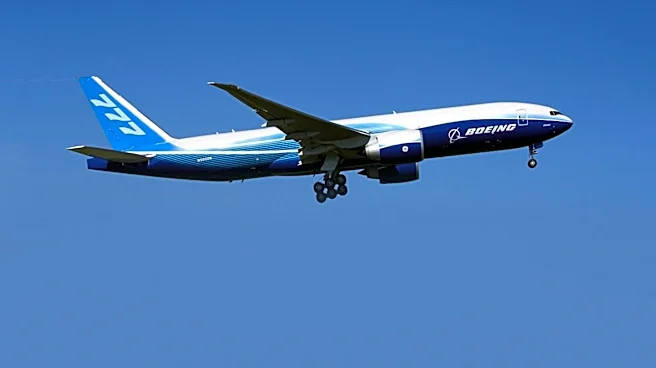
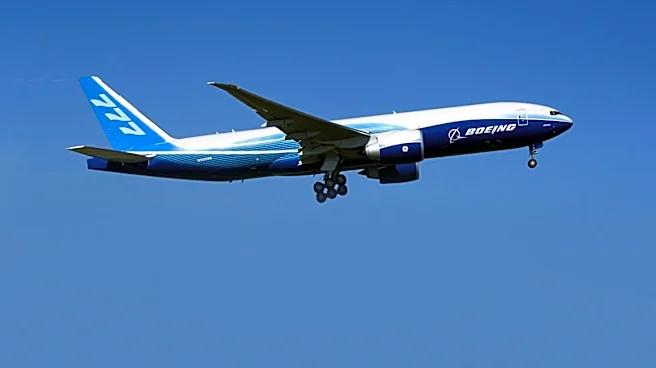
FARNBOROUGH, July 21 (Reuters) - Emirates expects Boeing's 777-9 aircraft to be delivered in the second quarter of next year, the airline's President Tim Clark told journalists on Tuesday at one of the world's largest aerospace events, as the delayed widebody jet moves closer to certification.
Clark said the delays meant the plane risked being overtaken by technology before it was even delivered.
"At some point we have to draw a line in the sand," he said. "We should
have had them in April 2020... so if we get them in the second quarter of 2027, that's a bit of a stretch under any circumstances."
The U.S. Federal Aviation Administration told Reuters on Monday that it expected the aircraft to be certified late this year or early next year.
PLANE MAKERS NEED TO KEEP MOVING
Clark also urged aircraft manufacturers to continue investing in new technologies and not pause development after bringing the 777-9 to market, saying the industry needed to be more ambitious.
"My legacy would be to move the manufacturers from the Middle Ages to the late 20th and early 21st century," Clark said at the UK's Farnborough Airshow.
His comments contrasted with those of airline executives on Monday, who warned manufacturers against rushing into the development of a new generation of aircraft before existing programmes are mature, as the industry grapples with delivery delays and certification challenges.
ENGINE MAINTENANCE DELAYS
Clark also criticised engine makers over rising costs and delays in maintenance turnaround, saying the problems were beginning to affect Emirates' operations.
"There have been some fairly ferocious rate increases from the engine makers," Clark said.
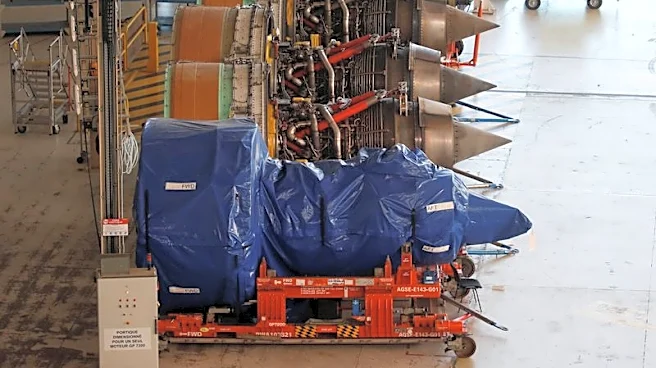
"The slow turnaround of engine maintenance and getting them on the planes is starting to hurt us. It's not acceptable to have 28 engines sitting in our shed waiting to be overhauled," he added.
Airlines have faced rising costs and operational pressures linked to engine maintenance, with limited overhaul capacity and supply chain constraints affecting the availability of spare engines and repairs.
In June, Clark told Reuters the airline had yet to see sufficient progress on durability concerns involving Rolls-Royce engines for Airbus A350-1000 aircraft, while also saying airlines were facing an industry-wide dispute with engine makers over prices and delivery delays.
(Reporting by Joanna Plucińska and David Shepardson, writing by Maria Rugamer, editing by Louise Heavens and Jan Harvey)