




PARIS, April 13 (Reuters) - French luxury giant LVMH suffered a heavy impact from the Middle Eastern conflict https://www.reuters.com/world/iran/, it said on Monday, as sales fell in the Gulf and many rich tourists from the region also stopped spending in Europe.
Global quarterly sales at the owner of brands including Louis Vuitton and Dior, Bulgari jewellery and Hennessy, rose by 1% when adjusted for currency swings, slightly below analyst estimates of a 1.5% rise, according to a Visible Alpha consensus.
The conflict led to a negative impact of around 1% on total group sales, even before accounting for indirect effects such as lower tourism elsewhere, LVMH said.
Reuters reported nL6N40J13L that mall sales in Dubai fell by as much as 50% since the start of the war. LVMH said mall traffic was down sharply, adding that while the region represents 6% of LVMH's turnover, the impact on profit margins will likely be higher due to the region's exceptional profitability.
The conflict also weighed on sales in Europe, which were down 3%, mainly due to the war and the strong euro, LVMH said.
U.S.-listed shares of LVMH fell by nearly 3% following the sales report, also dragging down sector peers. U.S.-listed shares in Gucci-owner Kering fell 4%.
MIDDLE EAST CRISIS DENTS NASCENT LUXURY RECOVERY
The trading update from the luxury bellwether underscores how the $400 billion luxury industry is at risk of another bumpy year and is likely to add to investor worries about the Gulf conflict's impact on a nascent recovery in the sector.
LVMH was the first large luxury company to report first-quarter sales. It will be followed by Kering and Birkin bag maker Hermes later this week.
"We have already seen two or three years of (luxury sector) crisis," said Laurent Chaudeurge, a member of the investment committee at Paris-based asset manager BDL.
"And just as we were hoping to get out of the crisis, it hits back with the Middle East."
Most analysts still say 2026 will be a year of luxury growth, including for LVMH, after over two years of stagnation. LVMH said most categories and regions, including China, had improved, discounting the impact of the war that began with U.S.-Israeli airstrikes on Iran on February 28.
Shares in the conglomerate, which is run and controlled by billionaire Bernard Arnault, have dropped by 26% since the start of the year, making it one of Europe's worst large-cap performers.
FASHION AND LEATHER DOWN AGAIN
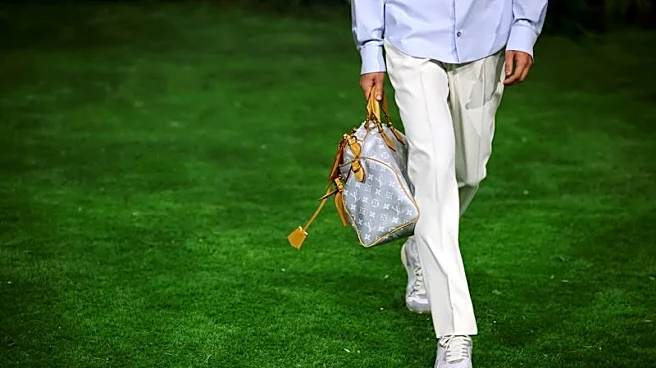
Sales at LVMH's core leather and fashion division, which last year accounted for roughly 80% of profits, were down by 2% organically, around 1% less than last quarter and slightly below analyst estimates of a 1% decline.
It was the seventh straight quarter of declining revenues at the division.
The individual performance of flagship brands Louis Vuitton and Dior, which is undergoing a makeover under new designer Jonathan Anderson, was in line with the division as a whole, the company said.
Demand in the United States was the main bright spot. U.S. sales showed 3% organic growth, the company said, adding the war so far has not disrupted the spending mood there.
U.S. luxury spending constantly rose during the first quarter, according to credit card data cited by Citi analysts, with people spending more on individual purchases.
Consumer sentiment in the United States, however, hit a record low in early April and consumers anticipate a surge in inflation in the next 12 months, according to a leading survey published on Friday.
(reporting by Tassilo Hummel and Dominique Patton, additional reporting by Noel Randewich; editing by Barbara Lewis)