




By Ed White and Renee Hickman
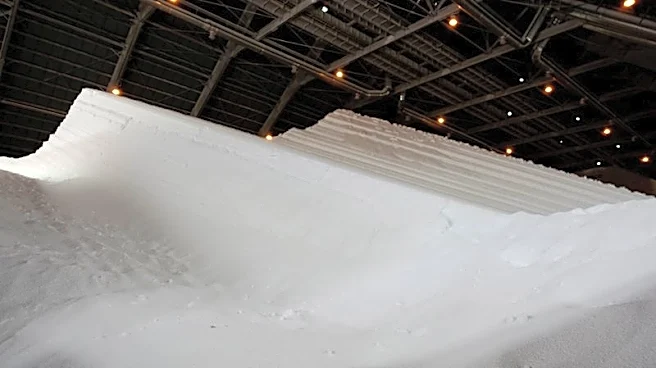
CHICAGO, April 17 (Reuters) - U.S. fertilizer buyers are redirecting shipments out of the country, as higher overseas prices give them an incentive to divert critical supplies, a fertilizer analyst said.
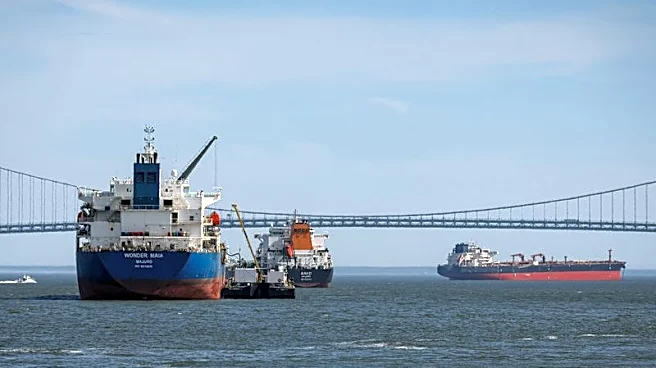
Barges of imported urea nitrogen fertilizer were purchased this week at the Port of New Orleans for export overseas, said Josh Linville, vice president for fertilizer at financial services firm StoneX.
"We saw a lot of physical barges that were being traded. They were linked
to exports," Linville said, adding, "It is feasible to buy barges on the Mississippi River, reload them on a vessel, and ship them out."
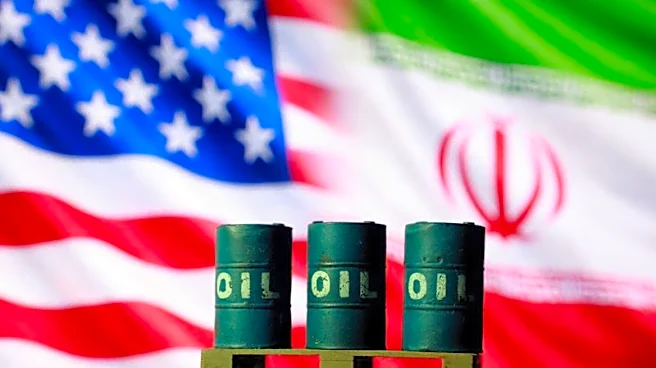
Since the U.S. and Israel launched a war with Iran on February 28, nitrogen fertilizer prices have soared, with more than 30% of global exports caught in Iran's near closure of the Strait of Hormuz. The U.S. and Israel said on Friday the waterway had fully reopened after Israel’s ceasefire with Lebanon, sending oil prices sharply down.
CHEAPER U.S. PRICES
But while global fertilizer prices have soared, U.S. prices at New Orleans have remained about $170 per short ton cheaper, providing buyers an opportunity to profit from the price difference.
With U.S. spring planting under way, some farmer groups and Republican Senator Josh Hawley of Missouri have accused fertilizer companies of price gouging. But Linville said U.S. prices are so low compared to overseas markets that urea nitrogen fertilizer bound for the U.S. is being purchased at port and resold to better-paying markets overseas.
In the opaque U.S. fertilizer market, it was not immediately clear who was reselling the U.S. imports.
Global fertilizer producer CF Industries said in late March it was “foregoing new higher-priced export orders during this spring planting season" so U.S. farmers could access supplies.
Manufacturers, however, only control the production and sale of fertilizers such as urea until they reach distributors. Retailers who sell to farmers and traders control much of the fertilizer supply. Fertilizer cost has become a major global concern for farmers because of sagging crop prices, which are far below what farmers received in 2022, when fertilizer prices spiked after Russia invaded Ukraine.
On Monday, Rabobank, the global agricultural banking giant, described both nitrogen and phosphate fertilizers as being well into "unaffordable" territory, with little relief possible for months.
"There could be a very long tail to this," said Stephen Nicholson, head of North American grains and oilseeds for Rabobank.
(Reporting by Ed White in Winnipeg and Renee Hickman in Chicago; Editing by Rod Nickel)