





By Shashwat Chauhan and Purvi Agarwal
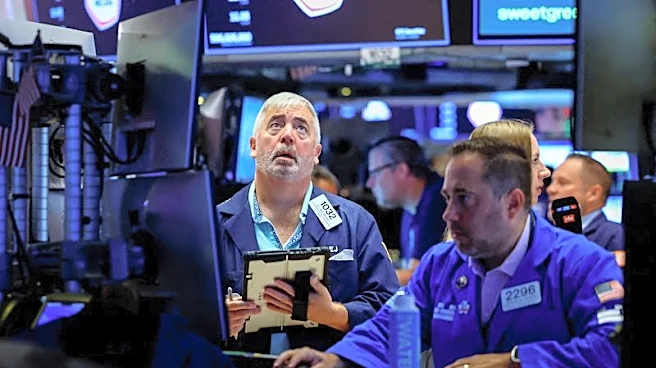
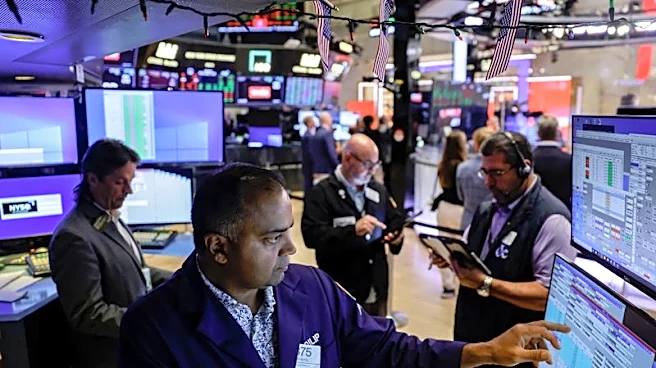
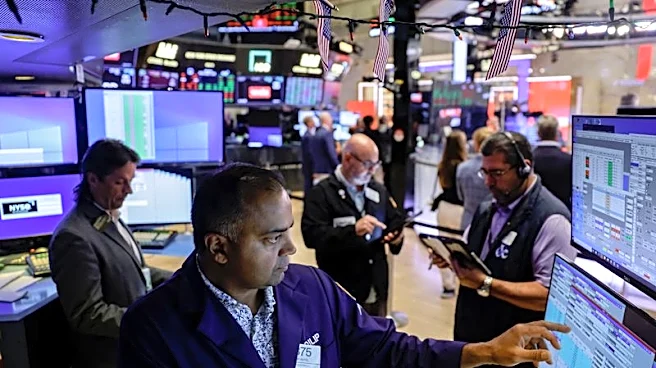
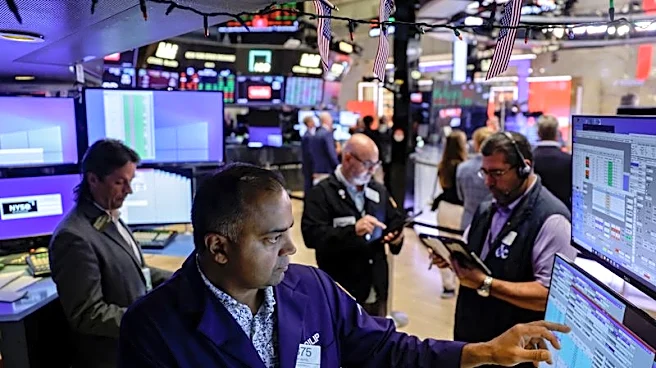
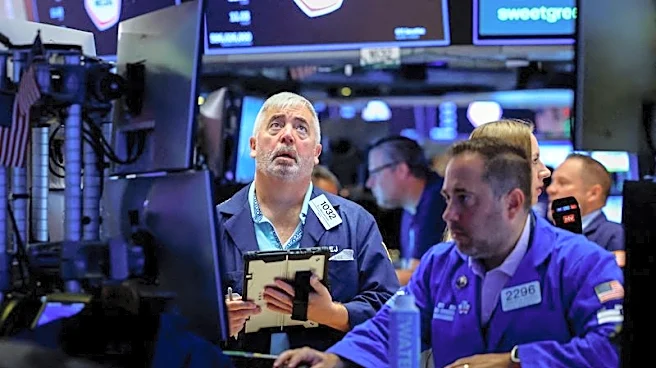
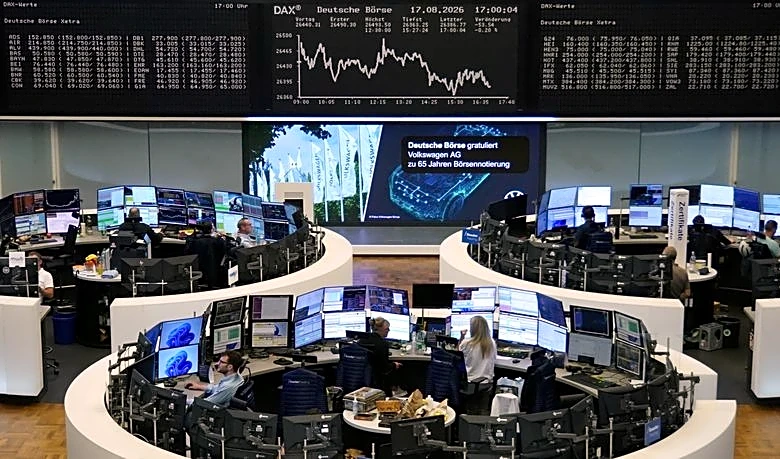
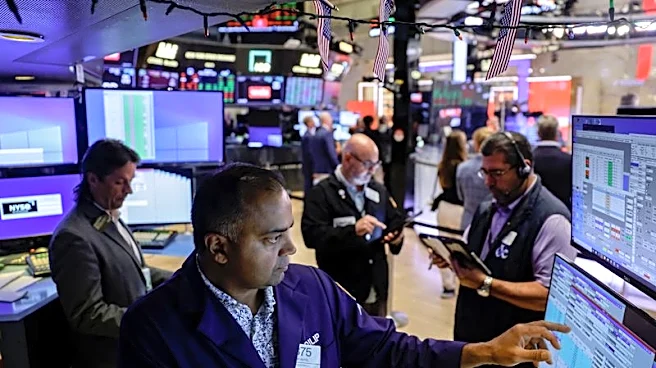
Aug 18 (Reuters) - Wall Street's main indexes hit their lowest in two weeks on Tuesday, pressured by losses in heavyweight technology stocks, while fading hopes for a U.S.-Iran peace deal sustained gains in oil prices and kept government bond yields at multi-year peaks.
Chipmakers as well as other megacap and growth stocks declined as high government bond yields potentially lower the present value of future tech profits and increase corporate borrowing costs.
The
Philadelphia SE Semiconductor index fell 5.4% and is on pace to evaporate more than $680 billion in market value, if losses hold.
Data storage firms Sandisk and Western Digital, along with memory chipmaker Micron Technology were among the worst hit. The Roundhill Memory ETF slid 7.9%.
Nvidia dropped 2.4% and Meta Platforms lost 3%. The S&P 500 Information Technology sector was the biggest drag, down 2.1%.
The yield on the 30-year Treasury bond stood at its highest since 2007, while that on the benchmark 10-year maturity held near its highest since January 2025.
Brent crude futures also gained 1.2% to around three-week highs, after Iran's threat to shift to a "fully offensive" military posture and Washington ruling out extending a ceasefire deal heightened concerns over a prolonged conflict.
The S&P 500 Energy sector rose 1.5% and was a whisker away from hitting an all-time high.
"With geopolitical risks adding another layer of uncertainty, investors should brace for heightened volatility across equities, currencies, commodities and bonds," said Lukman Otunuga, head of market research at FXTM.
"Retail earnings and the Fed minutes could either reinforce the soft-landing story or expose cracks beneath the surface."
Minutes from the Federal Reserve's July meeting, due on Wednesday, could offer more clues about how the central bank is assessing the current environment.
At 11:36 a.m. ET, the Dow Jones Industrial Average fell 112.50 points, or 0.22%, to 53,344.77. The S&P 500 lost 48.15 points, or 0.62%, to 7,696.91, while the Nasdaq Composite dropped 345.93 points, or 1.30%, to 26,298.98.
Wall Street's "fear gauge" hit an about two-week high, prompting investors to flock to healthcare and consumer staples stocks, which are traditionally considered defensive.
Software stocks recovered after a bruising selloff earlier this year. Microsoft, Salesforce and Intuit were some of the best performers on the day.
Shares of home-improvement retailer Home Depot inched up 0.6% after beating second-quarter sales estimates.
Strong earnings from several companies, including some AI hyperscalers, had pushed the S&P 500 and the Dow to all-time highs earlier this month. Investors now see Nvidia's quarterly report, due in the upcoming week, as the next test for the AI-driven momentum.
Meanwhile, LSEG data showed traders see a 96% chance of a 25-basis-points rate hike this year, as higher crude oil prices rekindled inflation concerns. However, the odds of an increase as soon as September have come down following tame inflation data last week.
Declining issues outnumbered advancers by a 1.74-to-1 ratio on the NYSE and by a 1.68-to-1 ratio on the Nasdaq.
The S&P 500 posted nine new 52-week highs and four new lows, while the Nasdaq Composite recorded 50 new highs and 93 new lows.
(Reporting by Shashwat Chauhan and Purvi Agarwal in Bengaluru; Editing by Shilpi Majumdar)