
By Sriparna Roy and Sneha S K
Jan 28 (Reuters) - Elevance Health said on Wednesday it expects revenue to fall slightly in 2026 and forecast full-year profit below Wall Street estimates, signaling that elevated
medical costs will continue to weigh on insurers.
The dour outlook sent shares of the health insurer down more than 7% before the bell.
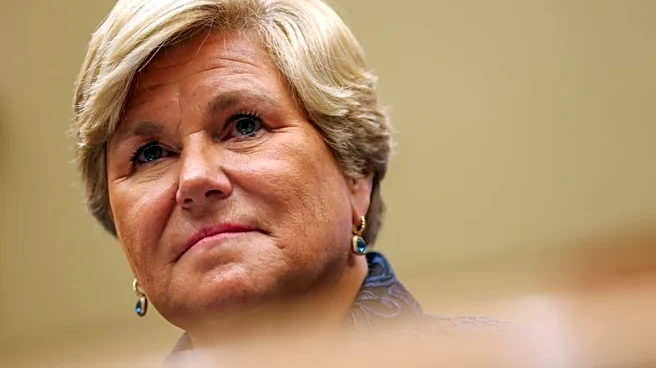
“We view 2026 as a year of execution and repositioning across Medicaid, Medicare Advantage and (Obamacare plans),” said CEO Gail Boudreaux, adding the forecast accounts for policy changes and decisions the company made to better price its plans and generate a more favorable mix of members.
The company said it expects total operating revenue to decline by a low-single-digit percentage range in 2026, adding to investor concerns after industry bellwether UnitedHealth on Tuesday also said its revenue this year would decline for the first time in decades.
The forecast reflects a low-double-digit decline in membership in some plans it offers, partly offset by higher premiums and growth in Carelon, its health services business, Elevance said.
"Guidance reflects continued pressure in Medicaid," said Leerink analyst Whit Mayo, adding that optics of the lower-than-expected forecast, along with diminishing enthusiasm for the sector after the 2027 Advance Notice and ongoing industry pressures are probably contributing to the stock selloff this morning.
HIGHER MEDICAL COSTS
Health insurers have faced persistently high medical costs as demand for behavioral health services and specialty drugs across government-backed healthcare plans has pushed up costs over the last two years.
Cost trends remained elevated in the reported quarter, but in line with expectations.
Elevance reported a medical loss ratio - the percentage of premiums spent on medical care - of 93.5%, reflecting higher demand in the company's Affordable Care Act conforming individual plans.
Chief Financial Officer Mark Kaye said the company expects a sicker member pool in its Obamacare business, due to the expiration of enhanced tax credits used to purchase the plans.
The enhanced premium tax credits were originally enacted during the COVID-19 pandemic, through the American Rescue Plan and Inflation Reduction Act, expanding eligibility for the subsidies and capping out-of-pocket premiums at 8.5% of a person’s income. Premiums are set to increase for millions of Americans after the credits expired at the end of 2025, discouraging healthier members from enrolling in insurance plans.
Shares for insurers slumped after the U.S. health insurance agency announced a rate increase of 0.09%, below estimates, for how much it pays insurers to operate Medicare Advantage plans.
CEO Boudreaux said proposed payments for the company's plans for adults aged 65 and older do not pace with costs to operate them, nor with how much members use their medical services.
Analysts expected a ratio of 93.39%, according to data compiled by LSEG.
The company expects its 2026 medical loss ratio to be 90.2% plus or minus 50 basis points, which reflects a "prudent view of costs trends".
The company forecast 2026 adjusted profit to be at least $25.50 per share, below analysts' estimates of $26.90 per share, and expects to earn about two-thirds of its adjusted earnings in the first half of 2026.
The 2026 forecast is an achievable baseline of what the company can grow from, said J.P. Morgan analyst Lisa Gill.
CEO Gail Boudreaux said the company remains confident in its ability to return to at least 12% adjusted earnings per share growth in 2027.
Its fourth-quarter adjusted profit per share of $3.33 beat estimates of $3.10.
Quarterly operating revenue of $49.3 billion missed estimates of $49.82 billion, compared with $45 billion a year ago.
(Reporting by Sneha S K and Sriparna Roy in Bengaluru and Amina Niasse in New York; Editing by Tasim Zahid and Franklin Paul)