





By Chibuike Oguh and Sruthi Shankar
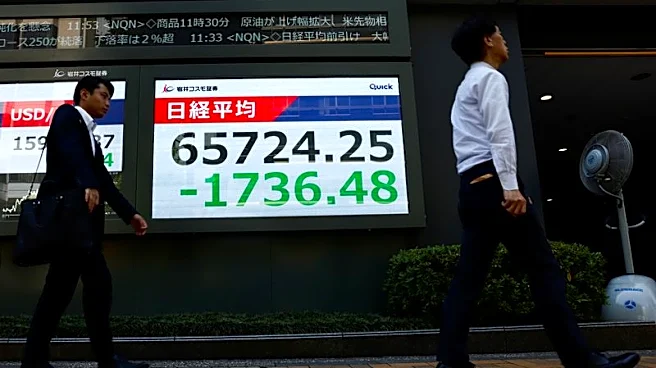
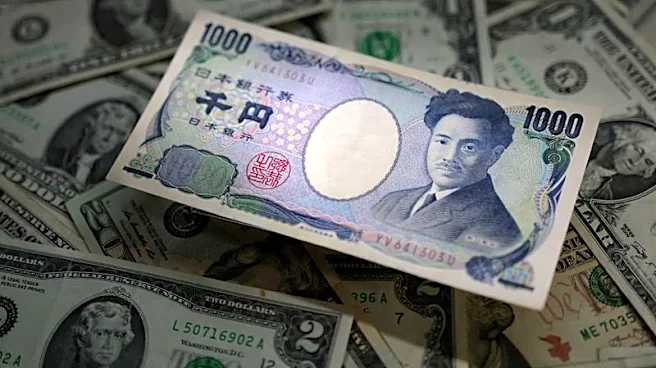
NEW YORK, Sept 8 (Reuters) - The Japanese yen hovered near a seven-month high on Tuesday, while the dollar was little changed against major peers as a renewed rise in oil prices and higher U.S. Treasury yields kept investors cautious.
The yen has gained nearly 5% since last week, driven partly by several factors such as expectations of faster Bank of Japan policy tightening, the potential repatriation of overseas funds by Japanese investors, the unwinding of carry
trades and pressure from Washington.
The currency strengthened to as much as 152.89 per dollar during Asian trading, surpassing levels reached during Japan's July intervention and touching its strongest level since February.
It later gave up some gains and was last down 0.12% at 154.14 per dollar.
"It seems like a continuation of what we saw last week, which was a powerful short squeeze," said Marc Chandler, chief market strategist at Bannockburn Global Forex.
"There still doesn't seem to be much of a sign of official intervention. It seems more to be market adjustments as the yen has been used as a funding currency for carry trades. So there's just a big unwind of that."
Japanese Finance Minister Satsuki Katayama said on Tuesday Tokyo and Washington remain aligned in their approach to currency markets and will continue close communication to ensure orderly foreign exchange movements.
The euro was trading near a nine-month low against the Japanese yen at 179.37 per euro.
"It seems more like it's a market-driven flow, possibly investors starting to think much more about the BOJ turning more hawkish at the next meeting," said Dominic Bunning, head of G10 FX strategy at Nomura in London.
"But it's going to be quite challenging for the BOJ to hike faster than the market has priced in or to a higher terminal rate. If a weaker yen was at least part of their thinking from an inflation perspective, that's obviously becoming less of an issue."
Traders widely expect the BOJ to raise interest rates by 25 basis points to 1.25% at its September 17-18 meeting.
U.S. DATA IN FOCUS
Investors were watching geopolitical tensions in the Gulf and their implications for inflation after Yemen's Tehran-backed Houthis attacked energy facilities and cities in U.S. ally Saudi Arabia, wounding more than 70 people and highlighting the risk of the Iran conflict widening.
Oil prices hovered near a six-week high, with Brent crude futures trading near $98 a barrel. [O/R]
Market attention is also turning to a series of U.S. economic releases this week, including consumer and producer price data, the final major indicators before the Federal Reserve's September 15-16 policy meeting.
Traders are pricing a roughly 60% chance of a Federal Reserve rate hike this month following Friday's stronger-than-expected nonfarm payrolls report.
The yield on benchmark U.S. 10-year notes continued its ascent and was up 0.22 basis points to 4.786%.
The euro was trading largely flat at $1.1629. The European Central Bank is widely expected to raise interest rates on Thursday, as the U.S.-Israeli war on Iran — which is keeping oil prices high and raising inflation — drags on.
The Canadian dollar strengthened 0.28% versus the greenback to C$1.377 per dollar. Canada's retaliatory tariffs on U.S. goods took effect just after midnight on Tuesday after trade negotiations collapsed last month, intensifying an 18-month-old trade war.
The dollar index, which tracks the U.S. currency against six others, was flat at 98.83.
(Reporting by Chibuike Oguh in New York and Sruthi Shankar; Editing by Alexandra Hudson)