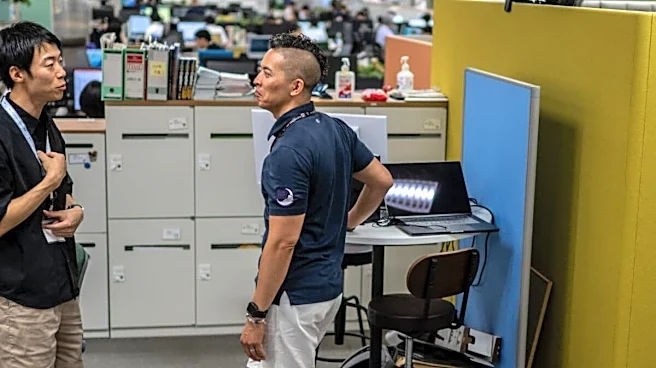



As record summer heatwaves sweep across Japan, the Tokyo Metropolitan Government has expanded its long-standing “Tokyo Cool Biz” initiative to encourage a far more casual office dress code. To reduce energy consumption from heavy air conditioning while helping workers cope with scorching temperatures, officials have urged office workers to trade traditional suits and ties for t-shirts, trainers, and shorts.
However, four months into the expanded campaign, the policy of allowing shorts in the workplace has sparked a heated debate over office etiquette, beauty standards, and gender expectations across Japanese workplaces.
The Rise of ‘Sunehara’ and Double Standards
While many male employees have welcomed the relief from stifling trousers, the shift has drawn criticism online and across social
media platforms. Critics have coined the term “sunehara”—a blend of “sune” (the Japanese word for shin) and “harassment”—to describe the discomfort some workers feel when forced to look at colleagues’ exposed leg hair.
Women have also highlighted a persistent double standard within traditional corporate culture. Although dress codes have relaxed for men, female employees report that unspoken societal expectations often still pressure them to wear stockings or formal attire when exposing their legs, creating an unequal standard of workplace presentation.
Mixed Reactions and Changing Male Grooming Habits
A recent survey conducted by cosmetic medical provider Gorilla Clinic revealed a split among the Japanese public, with over 53 per cent of respondents opposing shorts in the workplace. Concerns over body shape, cleanliness, and visible body hair were cited as the primary reasons for disapproval, with female respondents showing stronger resistance to exposed legs in professional settings.
The widespread debate has made many men increasingly self-conscious about their appearance. In response, a growing number of male workers are turning to cosmetic clinics for laser hair removal, viewing leg hair reduction not just as an aesthetic choice but as an emerging standard of modern office etiquette when wearing shorts.
Balancing Comfort and Workplace Standards
Government officials maintain that the policy is intended to offer choices during severe weather rather than dictate strict rules, provided attire remains non-offensive. As climate adaptation forces traditional workplaces to evolve, Japanese offices continue to navigate the fine line between employee health, energy efficiency, and professional decorum.