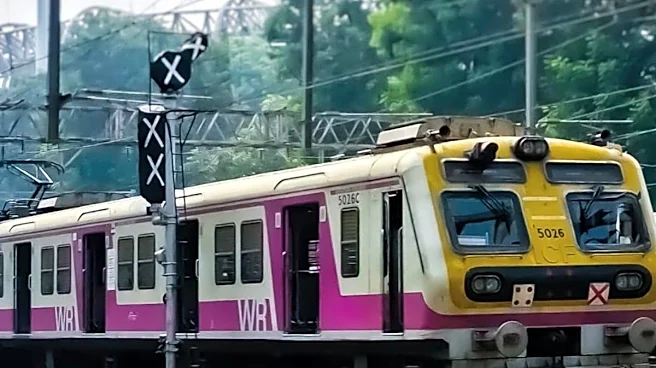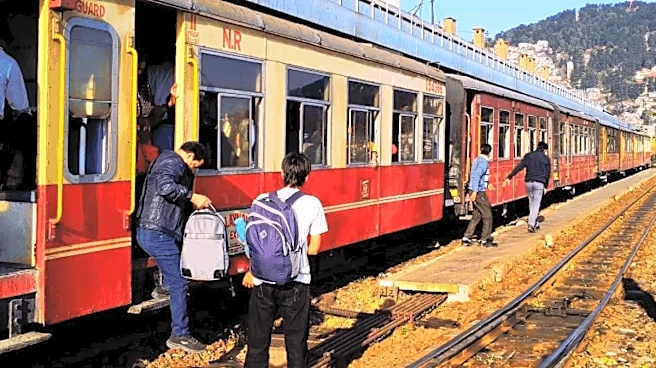




Train travel is one of the most popular and affordable ways to get around India. But what happens if you board a train without a ticket? Can a Travelling Ticket Examiner (TTE) ask you to get off the train immediately?
Many passengers are unaware of their rights and responsibilities while travelling by train. Here’s a look at what Indian Railways rules say about travelling without a ticket and a few other important regulations every passenger should know.
Can You Travel Without A Ticket?
If you need to catch a train urgently and are unable to purchase a ticket beforehand, don’t panic. In many cases, you can approach the TTE after boarding and request a ticket for your journey. Depending on seat availability and the applicable fare, the TTE may issue
a ticket after collecting the required charges.
However, travelling without a valid ticket can still attract penalties, so it is always advisable to buy one before boarding whenever possible.
Can A TTE Deboard You For Not Having A Ticket?
One lesser-known railway rule offers protection to certain passengers. Under railway safety provisions, a TTE cannot force a woman or a minor child to get off the train during the night simply because they do not have a ticket.
If any railway official violates this rule, disciplinary action can be taken against them. The provision is aimed at ensuring the safety and security of vulnerable passengers during overnight journeys.
Ticket Checking Rules At Night
Passengers also have certain rights when it comes to ticket inspections.
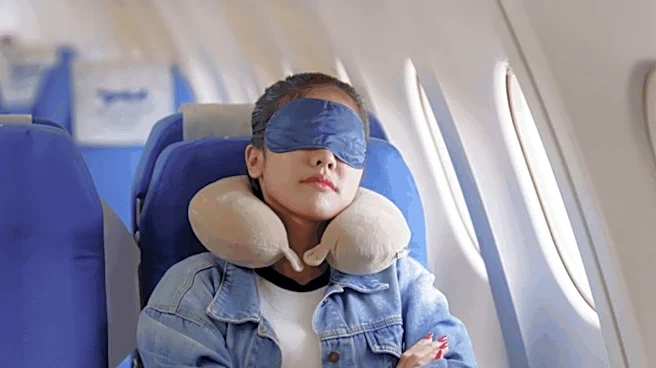
Generally, TTEs are not supposed to disturb passengers for routine ticket checks between 10 PM and 6 AM. If a passenger is already settled in for the night, unnecessary checks should be avoided.
There is one exception: if you board the train during these hours, your ticket can still be checked. In such cases, passengers cannot refuse verification.
If you believe a railway official is harassing you or violating these norms, you can lodge a complaint through the Railway Helpline at 139.
When Can You Use The Middle Berth?
The middle berth in sleeper and AC coaches often leads to disagreements among passengers. According to railway norms, passengers can use the middle berth for sleeping between 10 PM and 6 AM.
During daytime hours, the berth should remain folded so that fellow passengers can sit comfortably. Refusing to allow others to use the lower berth seating space during the day may lead to complaints and possible action by railway staff.
What If You Want To Extend Your Journey?
Plans can change while travelling. If you decide to continue beyond your original destination, you don’t necessarily need to get off and book a new ticket.
Passengers can contact the TTE and pay the additional fare required for the extended portion of the journey, subject to applicable rules and availability.
Will You Lose Your Seat If You Are Late?
Many travellers worry that arriving late at the station could result in losing their reserved berth.
In most cases, a TTE does not immediately allot your seat to another passenger if you fail to board on time. Railway staff generally wait for a reasonable period before deciding on vacant seats.
Other Important Railway Rules Every Passenger Should Know
Indian Railways also has rules designed to ensure a comfortable journey for everyone:
- Do not play loud music at night.
- Avoid speaking loudly on speakerphone.
- Refrain from watching videos at high volume without earphones.
- Do not engage in any activity that disturbs fellow passengers.
If someone is causing a nuisance, passengers can report the matter to the Railway Protection Force (RPF) or Government Railway Police (GRP).
It’s important to note that RPF and GRP personnel are responsible for passenger safety and maintaining law and order. They do not conduct ticket checks.
While travelling without a ticket can lead to penalties, Indian Railways has several rules in place to protect passengers and ensure a safe journey. From restrictions on nighttime ticket checks to special protections for women and minors, knowing these regulations can help you avoid confusion and travel with greater confidence.