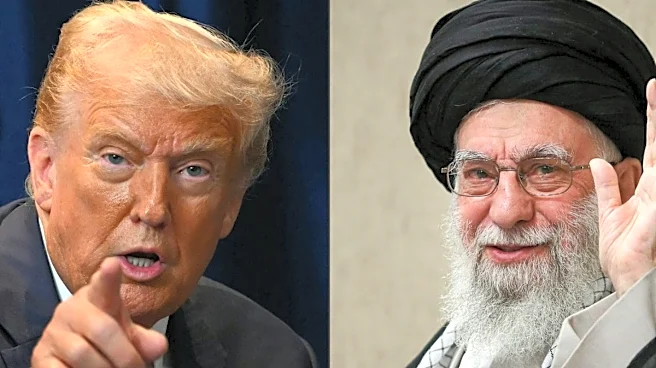


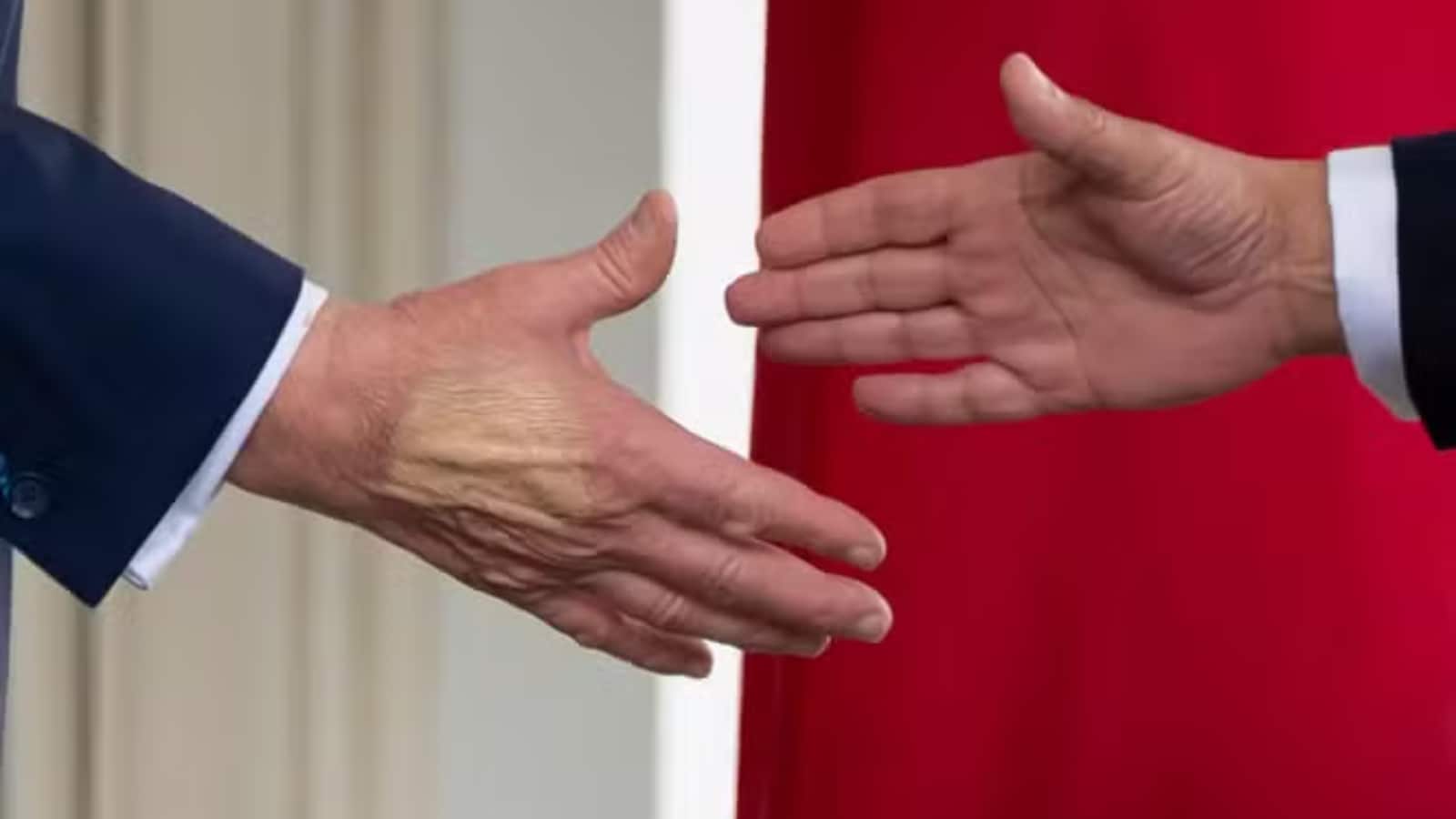
At 79, Donald Trump is among the oldest individuals to serve as US president, and age naturally brings increased scrutiny. Concerns about President Trump’s physical health have intensified in recent weeks as the 79-year-old leader navigates the ongoing tensions with Iran. Observers have pointed to visible symptoms including hand spasms, facial drooping, and unusual posture, raising questions about whether the pressures of office and geopolitical crises are taking a physical toll.
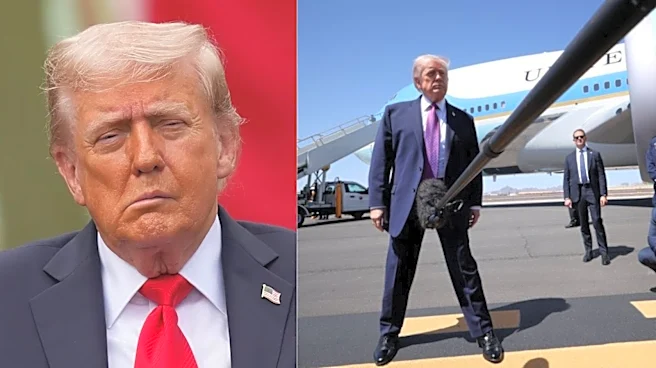
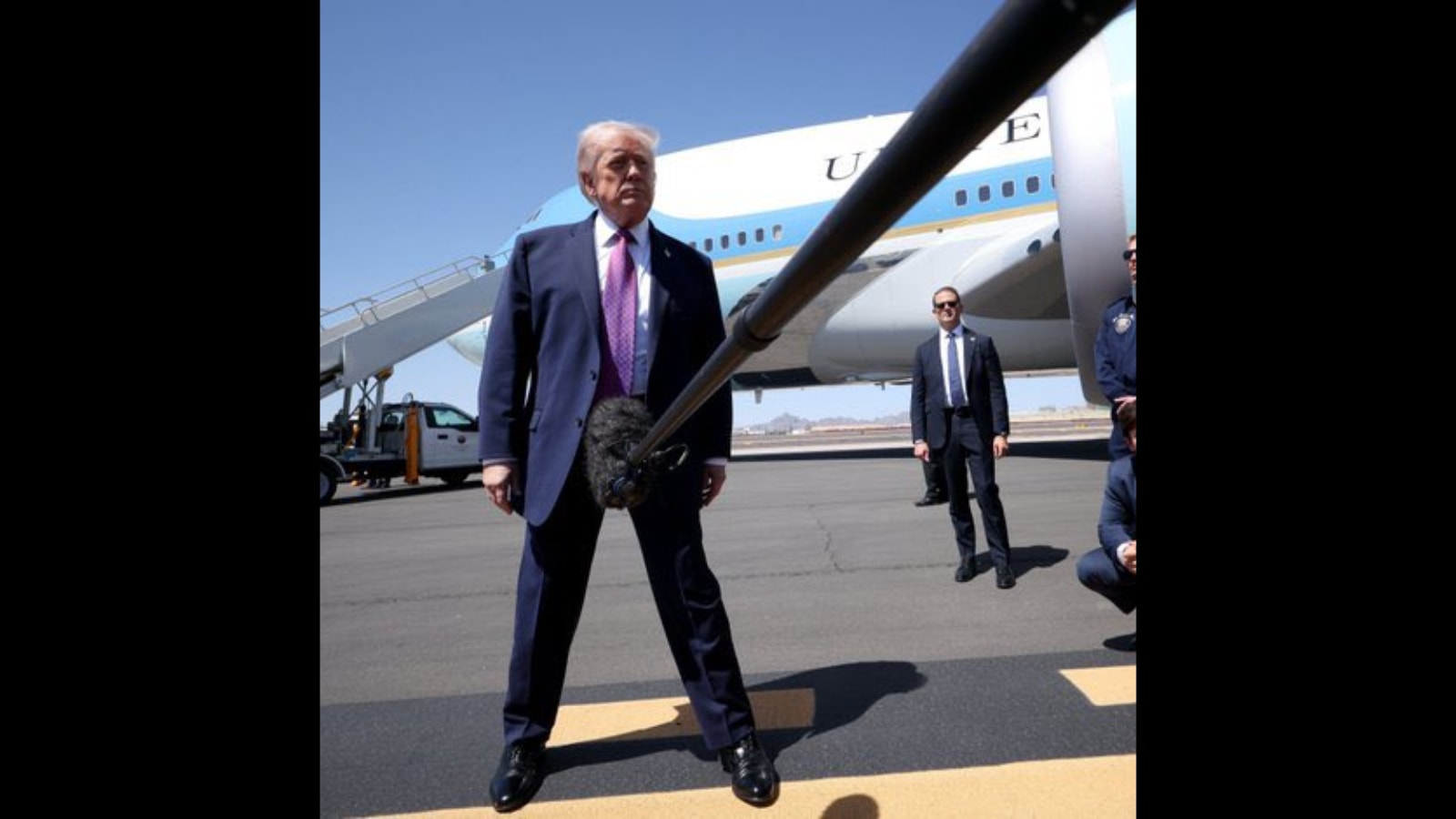
Recent public appearances and photographs have fuelled speculation. Clips circulating on social media show moments of apparent hand tremors and fatigue, while one widely discussed image reveals the President standing with his feet spread unusually wide in an “upside-down
V-shape,” with arms held stiffly at his sides. Some commentators have suggested this could indicate issues with balance, coordination, or possible leg bracing.
In another viral clip, Trump was seen limping while exiting Air Force One added to the speculation, with some viewers noting possible swelling or discomfort.
Medical Caution Amid Speculation
Medical experts have urged restraint, emphasising that diagnosing conditions from photographs or short video clips is unreliable and potentially misleading. Changes in posture or movement in older adults can stem from various causes, including simple fatigue, joint stiffness, arthritis, footwear, or even the surface on which someone is standing. More serious neurological or musculoskeletal conditions cannot be confirmed without proper clinical examination, medical history, and diagnostic tests.
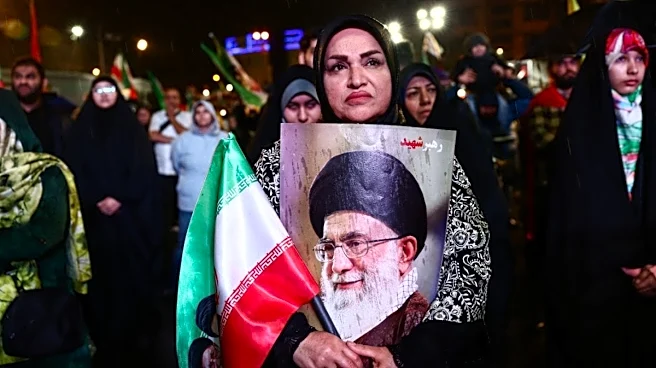
The heightened scrutiny comes against the backdrop of the Iran conflict, which sources claim has added considerable stress to the President’s already demanding schedule. Reports suggest that visible signs of exhaustion and physical strain have become more noticeable during this period.
Concerns deepened during a White House roundtable, where Donald Trump appeared to struggle to stay alert. Cameras captured moments where his eyes closed repeatedly and his face seemed to droop. At one point, he visibly jolted when his name was mentioned by Science Advisor Michael Kratsios, a clip that quickly circulated online.
Later the same day, during a Cabinet meeting, Trump drew attention for an unusually long and puzzling anecdote. While discussing renovations at the John F. Kennedy Center for the Performing Arts, he shifted to a story about negotiating customised Sharpie pens for signing major deals. However, Newell Brands, the parent company, stated it had no record of such a conversation.
This is not the first time questions have been raised about Trump’s health and cognitive fitness during his second term. Various media suggest that health and competence are increasingly shaping public discourse around his presidency, with comparisons being drawn to previous leaders who faced similar speculation.
What Could These Symptoms Indicate?
It is important to separate speculation from medical reality.
Symptoms like hand tremors, facial drooping or changes in gait can have a wide range of explanations. They may be linked to fatigue, stress, minor neurological issues or even temporary conditions. In some cases, they can also be associated with more serious concerns such as nerve-related conditions or circulatory issues.
However, without formal medical evaluation, it is not possible to draw definitive conclusions. Reports themselves note that there is no confirmed medical diagnosis behind the recent observations.
This is where responsible interpretation matters. Observing symptoms is not the same as diagnosing a condition.
The White House has not issued detailed statements on these latest concerns, continuing a long-standing tradition of limited transparency regarding presidential health.
Supporters have dismissed the concerns as selective editing or exaggeration, while critics argue that repeated incidents warrant closer attention. Meanwhile, experts often caution against “armchair diagnosis”, especially when based on short video clips or photographs. Health assessments require clinical evaluation, not speculation.
Is The Iran War Taking Trump’s Health?
Donald Trump has long operated under intense public scrutiny, but the current geopolitical climate presents a uniquely demanding phase. Managing tensions involving Iran requires constant attention, swift judgement and sustained mental focus.
Observers have pointed to visible signs such as hand tremors or facial strain, often associated with prolonged stress in high-pressure roles. Meanwhile, questions are emerging around how age factors into resilience. At 79, discussions are shifting towards whether the cumulative strain of leadership may affect recovery and overall stamina in such critical moments.