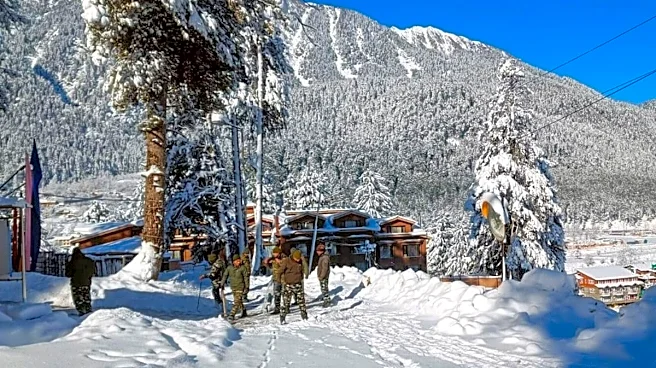


Moving past the shadow of the April 2025 terror attack, Pahalgam’s tourism sector is staging a sharp recovery as visitor confidence returns and daily footfall surges past pre-incident levels. At the time of the April 2025 attack, daily tourist arrivals in the popular resort town stood at roughly 16,000 before collapsing to near zero in the immediate aftermath and remaining depressed through much of the following year. This season, however, footfall has rebounded significantly, reaching up to 20,000 visitors on peak days—a clear indicator of renewed domestic interest in the destination. Signaling strong long-term confidence in the Valley’s hospitality market, the Grand Mumtaz Group has upgraded one of its flagship properties from a Radisson to the premium
Radisson Blu brand. Industry observers view the move as a major vote of confidence from both operators and investors in Kashmir’s economic trajectory. To sustain this momentum, tour operators and hoteliers across Kashmir are working closely with the administration to curate and promote events aimed at travelers across India. These coordinated campaigns focus on highlighting Kashmir’s natural beauty, experiential offerings, and improved security infrastructure to draw larger volumes of domestic tourists. Mushtaq Chaya, Chairman of Kashmir’s largest hotel chain, noted that this close partnership between private industry stakeholders and the government has been a primary driver behind the steady return of tourists and the broader economic revival. Top government sources indicated that turning short-term arrival spikes into sustained growth will require converting peak footfall into longer stays and higher per-capita spending. Officials emphasized that consistent security messaging, upgraded infrastructure readiness, and targeted pan-India marketing remain essential to shifting public perception away from last year’s attack. According to officials, elevating local hospitality standards with premium brands like Radisson Blu—paired with multi-stakeholder promotional events—positions Kashmir as a higher-value destination. This shift is expected to bolster livelihoods across hotels, transport, local guides, and allied sectors while making the region’s tourism economy more resilient to isolated security incidents.