


For over two decades, Chef Kunal Kapur has been one of the most recognisable faces of Indian cuisine from judging MasterChef India to championing regional flavours on global platforms. But today, the celebrity chef, restaurateur, author and television personality believes the future of dining is evolving far beyond the plate itself.
At a time when immersive dining experiences, theatrical presentations and sensory storytelling are redefining luxury hospitality, Kapur sees food as the emotional anchor that ties it all together. Speaking about the changing landscape of fine dining, the chef says flavour may no longer be the only element diners remember but it remains the most important one.
“Taste will always remain the foundation of fine dining,”
Kapur says. “People may walk into a restaurant because of the storytelling, the atmosphere, or the experience it promises, but if the food doesn’t deliver on flavour, nothing else truly matters.”
For Kapur, dining today is no longer just about what arrives on a plate. It is about memory-making. The lighting, music, craftsmanship, visual storytelling and even live culinary theatre now contribute to how guests emotionally connect with a meal. He points to formats like teppanyaki dining, where guests witness food being prepared in front of them, as examples of how experiences are becoming increasingly immersive.
Yet, despite the evolution of experiential dining, the chef insists that spectacle can never replace substance. “Flavour is what anchors the memory,” he explains. “The immersive elements elevate the experience, but without great taste, the spectacle alone cannot create a lasting impression.”
Kapur’s perspective also reflects a larger shift happening within Indian cuisine itself. Long stereotyped internationally as overly rich or spice-heavy, Indian food is finally being appreciated for its nuance, regional diversity and craftsmanship.
According to the chef, global audiences were exposed for years to only a narrow version of Indian food, largely restaurant staples like butter chicken or dal makhani while the depth of regional home-style cooking remained underrepresented. Today, however, Indian chefs are bringing authentic culinary narratives to the forefront through more refined and contemporary interpretations.
“What’s exciting is that Indian cuisine is now being appreciated for its storytelling and sophistication,” Kapur says, adding that Indian restaurants are increasingly making their mark in some of the world’s most competitive dining destinations. But reinterpretation, he believes, comes with responsibility.
“When you modernise a traditional dish, the soul of the dish has to remain intact,” he explains. “You can play with textures, techniques and presentation, but the final experience should still emotionally remind people of the original.”
For Kapur, innovation works best when it preserves familiarity. A reinvented dal makhani, for instance, should still evoke the comfort and nostalgia associated with the classic dish rather than becoming unrecognisable in the pursuit of creativity.
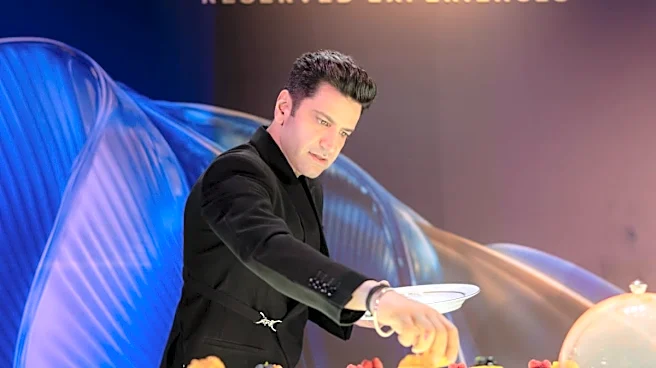
That balance between emotion and experimentation is also what drew him to collaborate with Blenders Pride Reserved Experiences as curator for its multi-sensory showcase. The association, he says, aligned with his belief that flavour can extend beyond taste into a fully immersive journey involving aroma, sound, visuals and storytelling.
“In a multi-sensory experience, the narrative draws people in,” Kapur says. “But the food has to ultimately live up to that story.” In an era where diners increasingly seek experiences over excess, Chef Kunal Kapur’s philosophy feels especially relevant: food may evolve visually and emotionally, but flavour will always remain at the heart of every unforgettable meal.