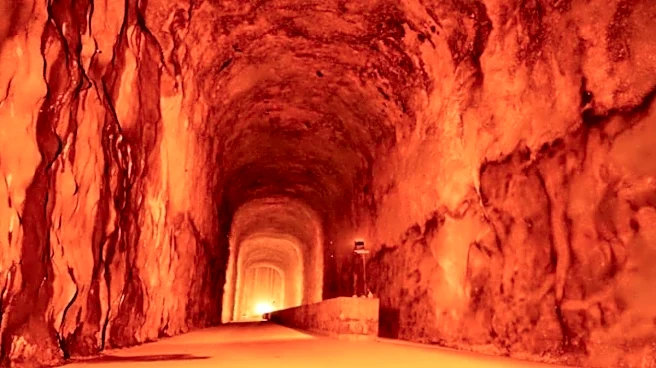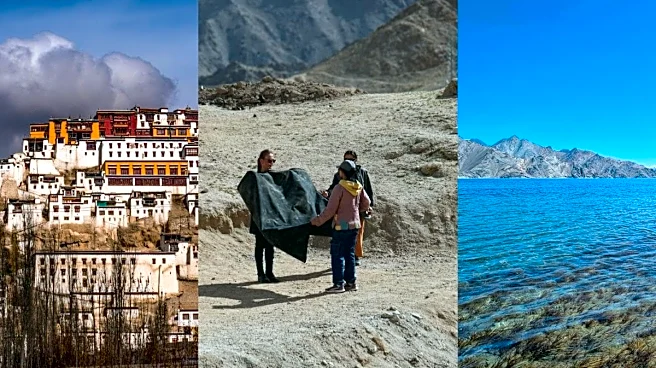



If you think the contemporary art world only meets up once a year in beach towns, think again! Perched at a dizzying altitude of nearly 3,600 metres, the sā Ladakh Art Biennale is returning for its third iteration from August 1 to 10, 2026. This is not merely an exhibition but an avant-garde geopolitical and ecological intervention staged across the stark, high-altitude deserts of the Leh–Kargil corridor.
sā Ladakh Art Biennale
The festival’s moniker is derived from sā, the Ladakhi word for “soil”—a fittingly grounded anchor for an event operating in the clouds. Under the theme Signals from Another Star, curators Vishal K Dar and Tsering Motup are abandoning traditional exhibition spaces entirely. Instead, the rugged topography itself serves as the platform for discussions.
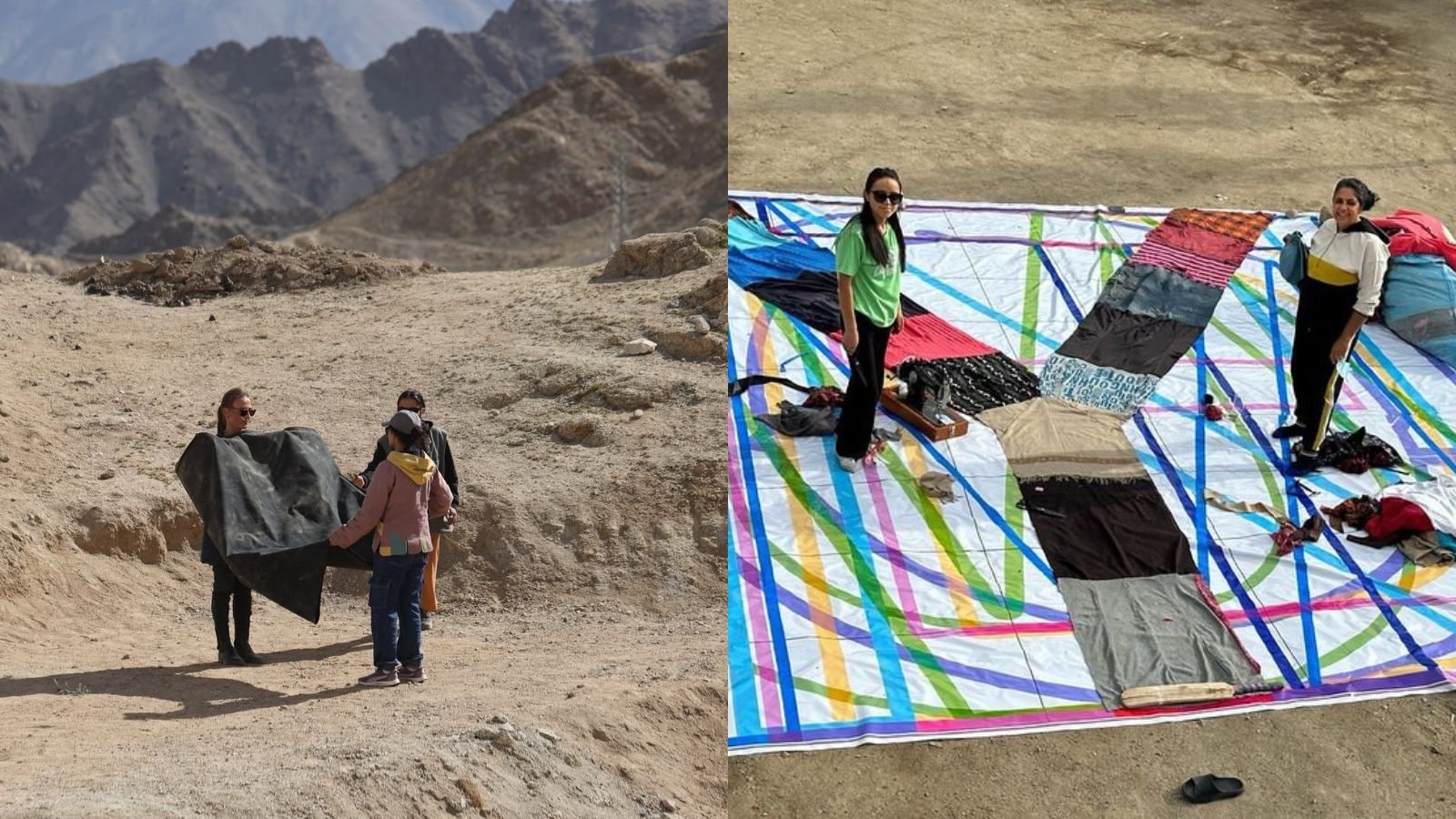
Spanning eight meticulously selected sites, which include Kargil, Lamayuru, Basgo, and Leh, the biennale positions site-specific installations right in the path of mountain routes, local villages, and plains. At this biennale, elements are active participants since artists will fashion works directly from local stone, soil, and the Himalayan wind to address the acute anxieties of shifting weather patterns and rapidly retreating glaciers.
A Convergence of Global and Indigenous Minds
This year’s iteration boasts a roster of approximately 24 visionaries, deftly balancing local genius with international prestige. Homegrown Ladakhi artists like Tundup Dorjay, Chemat Dorjey, and Stanzin Samphel will showcase their work alongside heavyweights such as Jitish Kallat and Anna Jermolaewa.
Adding serious institutional heft to the high-altitude affair is a fresh partnership with the Rubin Museum of Himalayan Art. This collaboration brings a highly anticipated, newly commissioned centerpiece by Nepalese artist Amrit Karki, conceived during an intense month-long creative residency in the region.
Ultimately, sā 2026 functions as a regenerative platform. It gracefully bypasses the passive consumerism of the urban art market, opting instead to spark fierce but necessary dialogues on how a fragile mountain ecosystem might navigate the dual pressures of climate volatility and surging tourism.