


/images/ppid_a911dc6a-image-178005460986854948.webp)
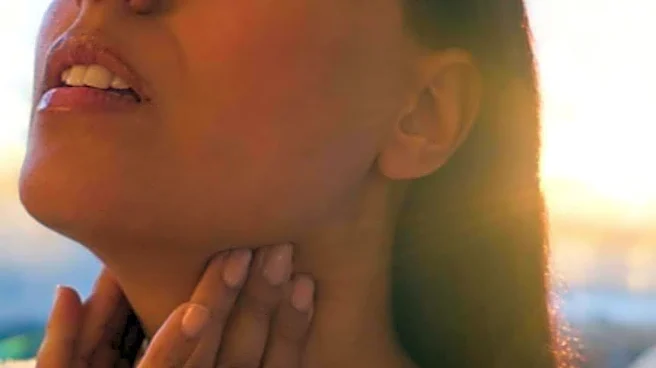
Skin changes such as a darkened neck, stubborn pigmentation, or persistent acne are often dismissed as cosmetic concerns or blamed on poor skincare habits. However, in some cases, these visible signs may point to an underlying hormonal imbalance—particularly related to the thyroid gland. The thyroid plays a vital role in regulating metabolism, hormones, and skin cell turnover, and when it malfunctions, the effects can show up on the skin. Dr Vijay Negalur, HOD – Diabetology, KIMS Hospitals Thane shares how the thyroid can affect the skin in different ways.
Understanding the Thyroid–Skin Connection
The thyroid gland produces hormones that influence how fast skin cells regenerate, how oil glands function, and how the body uses energy. When thyroid hormone levels
are imbalanced—either too low (hypothyroidism) or too high (hyperthyroidism)—normal skin processes are disrupted. This can lead to a variety of dermatological changes that may persist despite topical treatments.
Dark Neck and Pigmentation
One of the commonly noticed signs is darkening of the skin around the neck, underarms, or knuckles. In hypothyroidism, slower metabolism and hormonal disruption can contribute to skin thickening and pigmentation. Additionally, thyroid disorders are often associated with insulin resistance, which can cause acanthosis nigricans—a condition characterised by dark, velvety patches of skin, especially around the neck. Facial pigmentation or melasma may also worsen due to hormonal imbalance and altered skin repair mechanisms.
Acne and Thyroid Imbalance
While acne is more commonly linked to androgen hormones, thyroid dysfunction can indirectly trigger or worsen acne. Hypothyroidism can lead to dry, dull skin with clogged pores, while hyperthyroidism may increase sweating and oil production, creating an environment conducive to breakouts. Hormonal fluctuations associated with thyroid disorders can also disrupt the balance between skin oil and bacteria, making acne more persistent or treatment-resistant.
Other Skin Clues to Watch For
Thyroid-related skin changes are often accompanied by other signs such as excessive hair fall, brittle hair, dry or coarse skin, thinning of eyebrows, weight changes, fatigue, menstrual irregularities, or mood fluctuations. When skin issues occur alongside these symptoms, it increases the likelihood of a hormonal cause rather than a purely cosmetic one.
When to Seek Medical Advice
If dark neck pigmentation, acne, or unexplained skin changes persist despite good skincare and lifestyle habits, it is important to consider a medical evaluation. Simple blood tests measuring thyroid hormone levels can help identify or rule out thyroid dysfunction. Treating the underlying thyroid condition often leads to gradual improvement in skin health.
Skin is a mirror of internal health. Addressing thyroid-related issues early not only improves appearance but also supports overall well-being. Instead of masking symptoms, identifying and treating the root cause can lead to healthier skin and long-term hormonal balance.

/images/ppid_a911dc6a-image-178029881878450312.webp)








/images/ppid_a911dc6a-image-178005456248178699.webp)