
/images/ppid_59c68470-image-177496504077167096.webp)
/images/ppid_a911dc6a-image-177492643134732273.webp)
West Asia War: Iranian President Masoud Pezeshkian on Tuesday said that Tehran had the “necessary will” to end the ongoing war with Israel and the United States, but is seeking guarantees that the conflict would not be repeated.
While holding a telephonic conversation with European Council President António Costa, Pezeshkian said, “We possess the necessary will to end this conflict, provided that essential conditions are met — especially the guarantees required to prevent repetition of the aggression.”
Costa said in a social media post after that call that “the current situation in the Middle East is extremely dangerous” and urged Iran to de-escalate.
“To de-escalate the situation, I urged Iran to stop the unacceptable attacks on countries in the region
and to engage positively on the diplomatic track, notably with the UN to ensure the freedom of navigation in the Strait of Hormuz,” he said in a post on X.
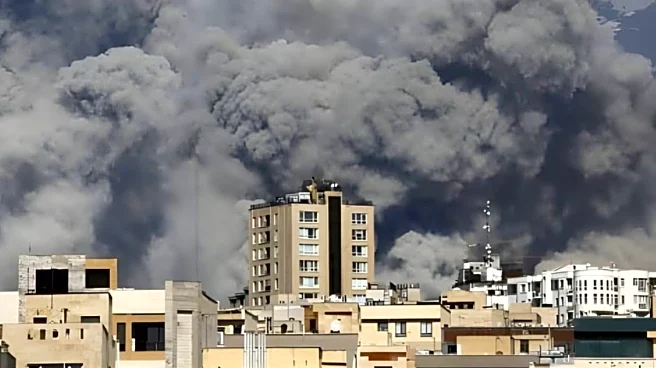
Tehran’s stance came amid escalating tensions and continued military strikes across the region. Iranian officials have stressed that any agreement must include mechanisms to ensure that future attacks by the U.S. or Israel do not occur.
Earlier on Tuesday, US Secretary of Defence Pete Hegseth said that the next days of the Iran war will be “decisive” while refusing to rule out US ground forces playing a role in the conflict.
“The upcoming days will be decisive. Iran knows that, and there’s almost nothing they can militarily do about it,” Hegseth said.
The Pentagon chief said talks on ending the war were making progress even as the more than month-long US-Israeli military campaign against the Islamic republic continued.
“They are very real. They are ongoing, they are active, and I think, gaining strength,” Hegseth said of the negotiations.
Meanwhile, the Islamic Revolutionary Guard Corps (IRGC) issued a warning of potential retaliation, threatening action against major global tech firms if Iranian leaders are targeted in further attacks.
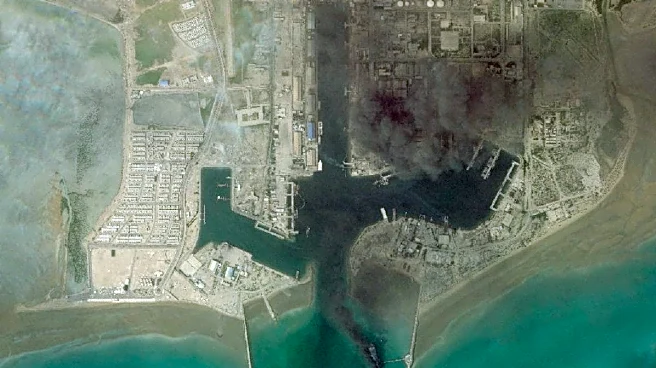
The conflict, which began in late February, has already had global repercussions, including rising oil prices and disruptions to key shipping routes such as the Strait of Hormuz.

/images/ppid_59c68470-image-177515260770899803.webp)

/images/ppid_a911dc6a-image-177512922689236957.webp)

/images/ppid_a911dc6a-image-177513963602059817.webp)
/images/ppid_a911dc6a-image-177513706488830291.webp)
/images/ppid_59c68470-image-177493255919331334.webp)
/images/ppid_a911dc6a-image-177503563605160464.webp)