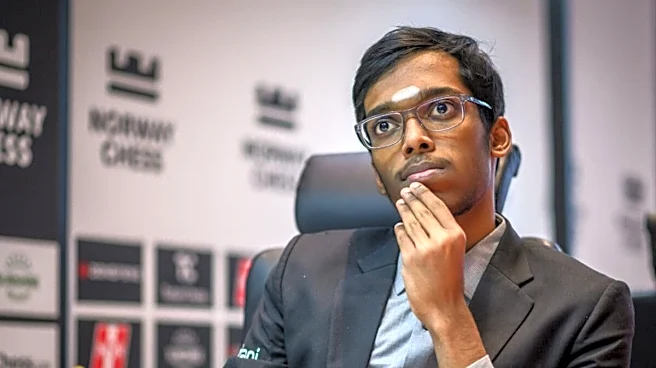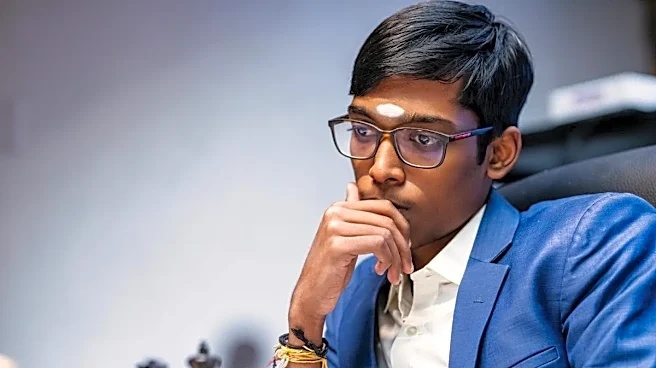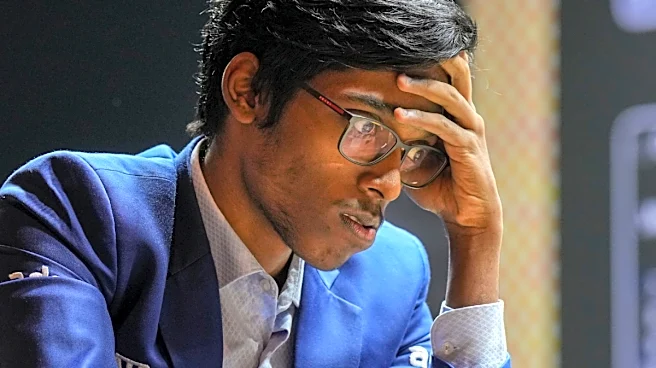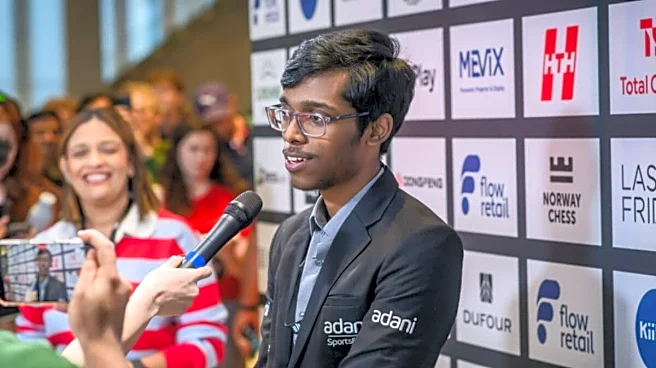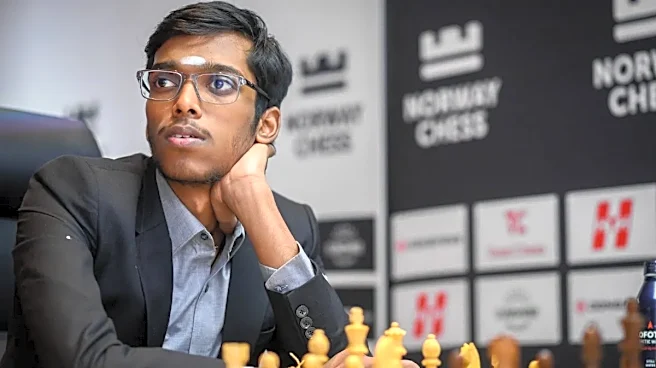

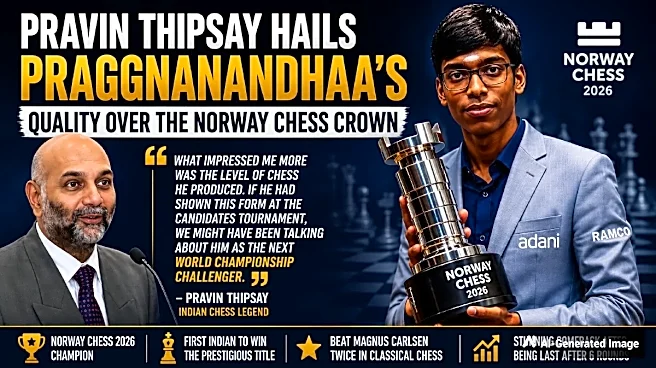
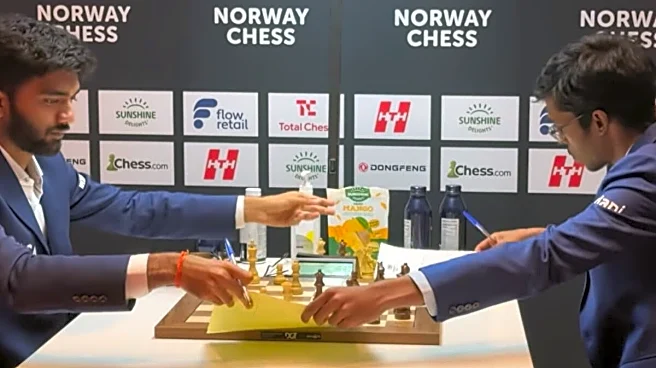
Indian Grandmaster R Praggnanandhaa has described his historic Norway Chess triumph as one of the most special achievements of his career, not just because he won the title, but because of how he did it.
The 20-year-old became the first Indian player to win the prestigious Norway Chess tournament after defeating Germany’s Vincent Keymer in the final round on Friday. The victory capped a sensational late surge that saw Praggnanandhaa win four consecutive classical games against some of the strongest players in the world.
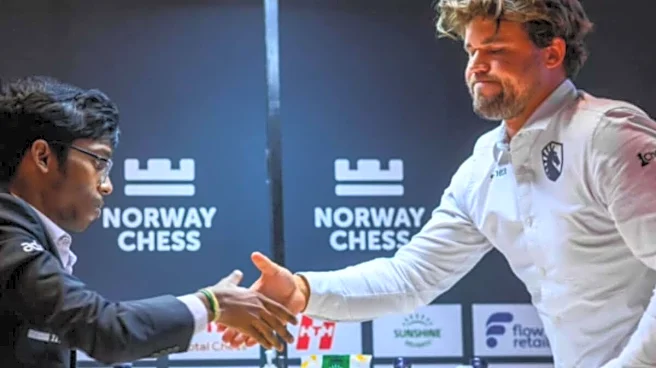
His remarkable run included victories over Alireza Firouzja, Magnus Carlsen, D Gukesh and Vincent Keymer, with Keymer entering the final round unbeaten in classical chess.
For Praggnanandhaa, the manner of the victory made it even
sweeter.
“Yeah, winning this tournament feels more special for different reasons. Being in the last position after Round 6, after half the tournament is done, and then to get back like this, it’s not something that happens often,” Pragg told TOI.
Another standout aspect of his campaign was his dominance over Carlsen. The Indian prodigy defeated the World No. 1 twice in classical chess during the tournament, becoming the first player since Veselin Topalov in 2008 to achieve that feat in the same event. Before Topalov, only Viswanathan Anand had managed it, at Linares in 2007.
Praggnanandhaa admitted that finishing ahead of Carlsen was something he had long dreamed of.
“Beating Magnus twice in the course of that, and also winning a tournament ahead of Magnus is something that I’ve always wanted. So, I think all these things make this tournament much more special.”
“This will certainly be at the top of my victories, and this will always be a special memory.”
The title was also a reward for perseverance after a difficult stretch in his career. Pragg acknowledged that the period between late 2025 and the Candidates Tournament earlier this year had been challenging, with results failing to reflect the quality of his play.
“I haven’t had great results towards the end of 2025 and in early 2026. There were certainly low periods, but I felt my play was getting better.”
Despite the setbacks, the young Indian never lost belief, thanks largely to the support around him.
“My family, my trainers, my sponsors — they’ve always supported me. People around me always believed in me.”
That faith has now been rewarded with the biggest classical title of his career and a place in Indian chess history.