
/images/ppid_a911dc6a-image-178436302107294560.webp)
/images/ppid_a911dc6a-image-1784394554853729.webp)
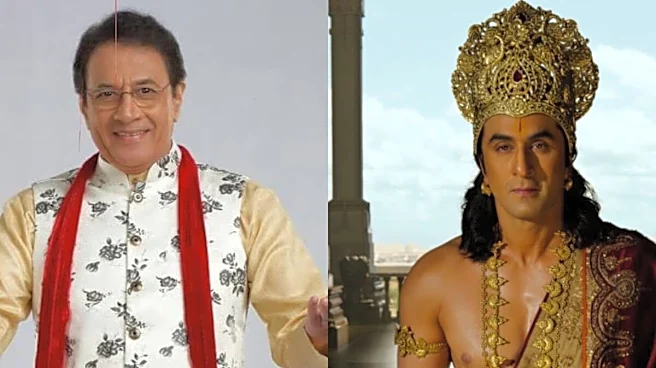
Arun Govil returned to the world that changed his life, though this time he stood on the other side of the father-son relationship. At the grand Ramayana launch held at Bharat Mandapam in New Delhi on July 18, the veteran actor spoke about playing King Dasharath in Nitesh Tiwari’s film after becoming synonymous with Lord Ram through Ramanand Sagar’s television classic.
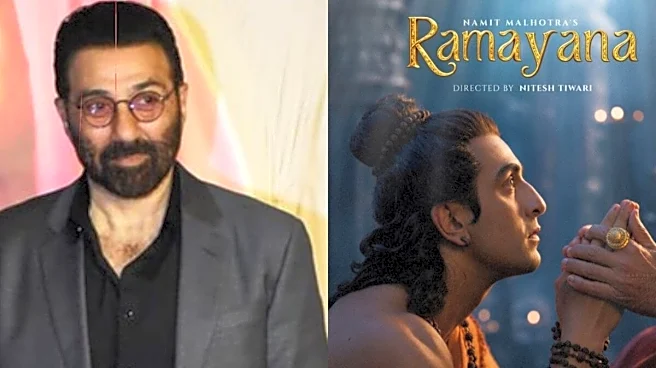
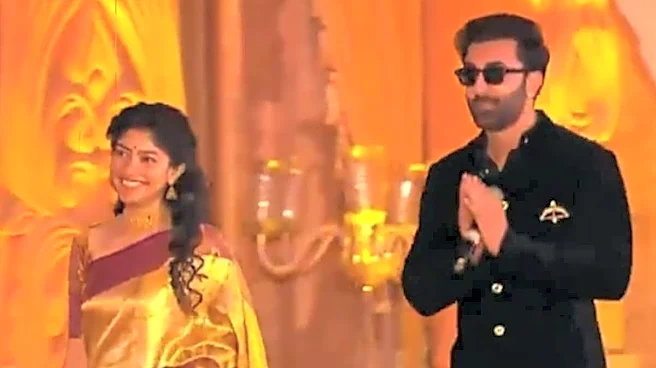
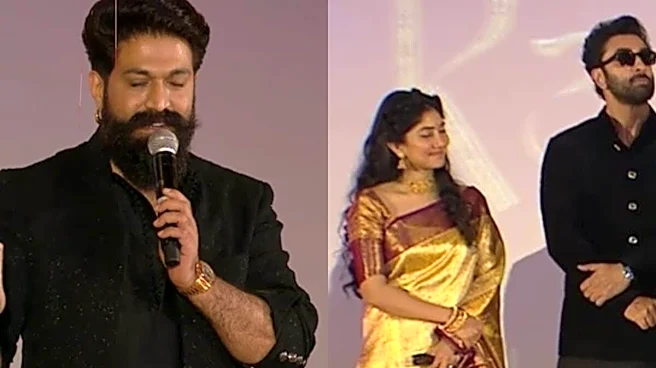
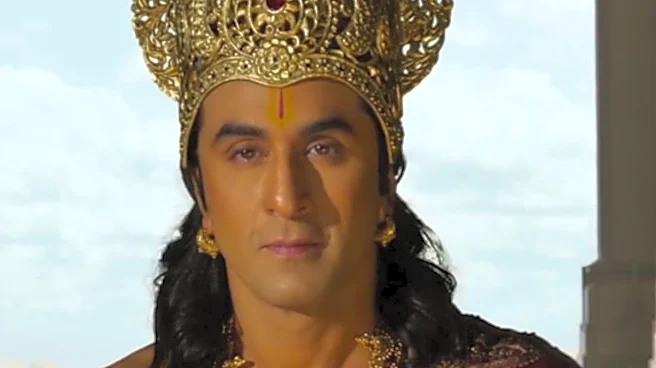
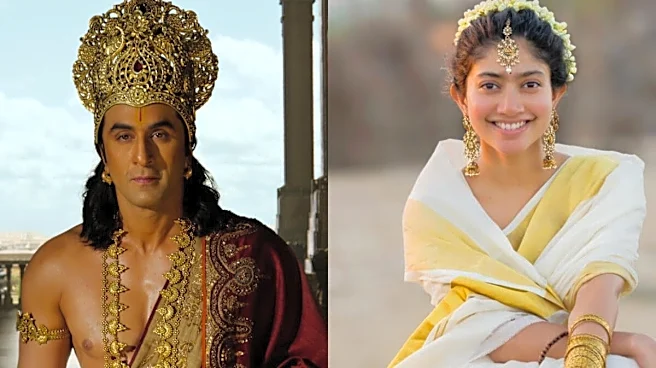
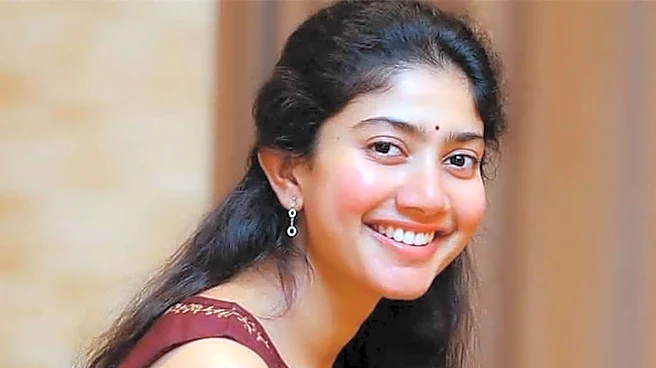
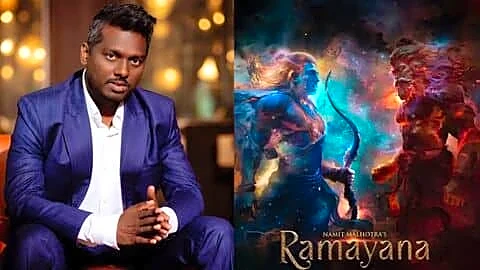
The Delhi event opened the promotional campaign for the two-part epic, led by Ranbir Kapoor as Ram and Sai Pallavi as Sita. Director Nitesh Tiwari, producer Namit Malhotra and several members of the cast and crew were present. The first instalment is scheduled for a Diwali 2026 theatrical release.
‘Everything Around Us Is Filled With Ram’
Govil began by reflecting on how naturally
the name Ram appears in everyday Indian speech, not only during prayer but also in surprise, worry, greeting and distress.
“Ram may be a very small word, but it is woven into our lives,” he said. “Whatever stage of life we are passing through and whatever emotion we are expressing, the word finds its way into it. We say ‘Hai Ram’, ‘Arre Ram’, ‘Ram Ram’ and even ‘Ram duhai’. Everything around us is filled with Ram.”
For Govil, that presence explains why the epic is more than familiar source material. Its characters and values remain embedded in language and collective memory.
Arun Govil Was Initially Rejected For Lord Ram
Govil then revisited the unlikely beginning of the role that defined his career. He had already worked with Ramanand Sagar and appeared in Vikram Aur Betaal when he learnt that the filmmaker was preparing Ramayan. He immediately felt that he should play Ram.
“I approached him without thinking about anything else and said that I wanted to play Shri Ram,” Govil recalled. “He auditioned me and rejected me outright.”
The makers later asked whether he would consider another character, including Bharat or Lakshman. Govil refused. He did not want to appear in the series merely for the sake of being part of it.
“I told them that if they did not consider me worthy, they could let me go. I did not want another role,” he said.
Three or four months later, the call came. Recalling the message in Punjabi, Govil said he was told that the selection committee had concluded, “We will not find a Ram like you.”
The reversal strengthened his belief that Ram chooses the person through whom his work must be carried out. “It was my good fortune that he chose me,” Govil said.
Different Tellings, One Moral Foundation
Govil noted that there are believed to be nearly 300 versions of the Ramayana. Their perspectives and narrative details may differ, he said, but their moral centre remains unchanged.
“The point of view can differ according to the telling, but it cannot become different from the spirit of the Ramayana,” he explained. “Every version ultimately speaks of Ram and the nature of Ram. The value system remains the same.”
A new cinematic version may alter the scale and language of presentation, he suggested, but it cannot abandon the values rooted in the epic and Indian culture.
Playing Dasharath Brought Back Memories Of Ram
The film gives Govil a rare transition. After playing Ram, he now portrays Dasharath, the father whose grief forms one of the story’s most painful passages.
“Ram’s world has always felt good to me, and it still does,” he said. “But this time, I was performing a different character.”
While playing Dasharath, Govil repeatedly thought about his earlier performance. He remembered how Ram had responded to his father and used that memory to understand the scene from the opposite direction.
“Whenever I was on set, whether Ram was standing before me or not, I could still see myself in front of me,” he said. The role became a conversation between two performances separated by almost four decades.
‘There Was No Chaos On The Ramayana Set’
Govil also recalled an unusual calm throughout filming. The familiar noise of a large set, including hurried instructions, raised voices and confusion, was largely absent.
“Perhaps it was because we were making Ramayana,” he said. “Every person, whether an actor or a technician, carried the same feeling. We were held together by pride in the story and by truth.”
He credited much of that atmosphere to Tiwari, describing him as a director who did not need lengthy speeches. “He says very little. He quietly conveys everything through his silence,” Govil said. When the director works without agitation, he added, that steadiness reaches the entire unit.
Arun Govil Praises Nitesh Tiwari And Namit Malhotra
Govil congratulated Malhotra on progressing from a modest office to mounting a production of such scale. He also praised the visual-effects work associated with Malhotra’s DNEG, saying it had helped Indian talent stand alongside Hollywood and gain global recognition.
Speaking about the film, Govil said its narrative did not appear to impose an unfamiliar perspective on the epic.
“The story flows like water,” he said. “You do not feel a strain or a break in its movement.”
He added that advances in technology had enabled the makers to create images earlier generations could only imagine. Offering his wishes to the actors, technicians and filmmakers, Govil closed with a prayer that Ram’s grace remain with the entire team.
/images/ppid_a911dc6a-image-178458352240094507.webp)

/images/ppid_a911dc6a-image-178439805570017387.webp)

/images/ppid_a911dc6a-image-178454853140737884.webp)