
/images/ppid_a911dc6a-image-177878495952864180.webp)
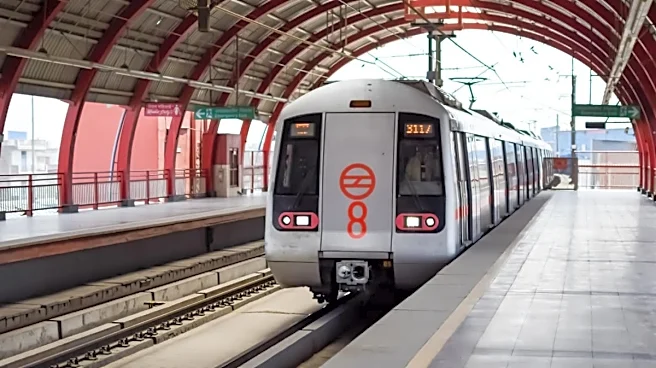
The Delhi Metro Railway Corporation (DMRC) has announced that it will run additional train trips to encourage a shift to public transport after the Indian government urged citizens to cut the use of private vehicles amid a global energy crisis.
The DMRC said it will operate 24 additional train trips from Monday (May 18) in view of the expected surge in passenger demand amid the government’s push towards public support. Similar arrangements may be made on other days depending on passenger demand.
Anuj Dayal, Principal Executive Director of DMRC, said the capacity expansion aims to ensure uninterrupted service and efficient passenger management during increased passenger journeys. “DMRC will be closely monitoring any surge in demand to take any action
required to meet the demand,” he added.
Delhi Metro’s Passenger Management Initiatives
The Delhi Metro has also intensified measures to improve its capacity to handle additional passenger capacity by:
- Deploying additional security personnel
- Operating additional ticketing counters
- Activating spare DFMDs and baggage scanners
- Reducing waiting times at frisking points
- Ensuring smoother passenger movement during peak periods
The DMRC also operationalised parking facilities at 126 metro stations across Delhi-NCR, enabling commuters to conveniently park and continue journeys through metro services. The DMRC Saarthi App is currently serving approximately 100,000 passengers daily in the form of E-autos, E-rickshaws, Bike taxis, Cab aggregators, Bicycle rentals, Smart Door-to-Door integrated journey planning.
The corporation also adopted several digital ticketing solutions like QR code tickets, WhatsApp ticketing, and IRCTC integrations to avoid queuing at stations.
Highlighting the metro network’s role in integrated transport connectivity, the DMRC said several metro stations are linked with railway stations, interstate bus terminals, airport terminals, Namo Bharat Regional Rapid Transit System (RRTS), Noida Metro and Rapid Metro Gurugram.
The move comes as part of efforts to strengthen mass transit systems and improve urban mobility amid growing emphasis on energy security, environmental sustainability and reduced dependence on petroleum-based transport.
/images/ppid_59c68470-image-177899252709954866.webp)



/images/ppid_a911dc6a-image-177881606374827962.webp)



/images/ppid_59c68470-image-177882754220670699.webp)