
/images/ppid_a911dc6a-image-177105245071149153.webp)

/images/ppid_a911dc6a-image-177105042575465447.webp)
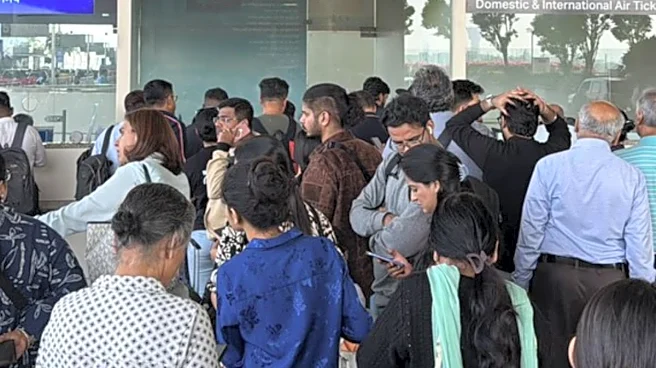
The Directorate General of Civil Aviation (DGCA), India’s main civil aviation safety regulator, finds itself in a precarious position, tasked with enforcing global safety norms while simultaneously mitigating a nationwide crisis triggered by those very rules.
Observers say the current chaos, primarily centred on IndiGo’s mass flight cancellations, stems directly from the implementation of stricter Flight Duty Time Limitations (FDTL) norms—rules designed by the DGCA to combat pilot fatigue. The irony is that the regulator has now been compelled to partially roll back certain key provisions to restore order to India’s overwhelmed air travel sector.
According to the regulator, the chaos stemmed from IndiGo’s inability to plan adequately for new crew
duty rules under the revised FDTL framework. Despite repeated advisories, IndiGo reportedly failed to forecast crew availability accurately, align training schedules, and adjust rosters, resulting in a chain of delays and cancellations beginning in late November.
The DGCA said that IndiGo itself admitted to gaps in planning, which caused cancellations to rise to nearly 170-200 flights a day.
The DGCA’s Mandate: Safety First
The DGCA is an attached office of the Ministry of Civil Aviation, responsible for the regulation of air transport services and the enforcement of civil air regulations, air safety, and airworthiness standards across India.
Its core function is to ensure public safety by aligning Indian aviation practices with international standards set by bodies like the International Civil Aviation Organisation (ICAO). This includes issuing licences to pilots and engineers, certifying airports, conducting safety audits, and, crucially, formulating fatigue-prevention measures like FDTL.
The FDTL Flashpoint
The revised FDTL rules were implemented in phases, with the final, critical phase taking effect on November 1, 2025, following a direction from the Delhi High Court. These changes, aimed at enhancing pilot welfare and reducing fatigue-related accidents, were drastic for airlines that rely on high crew utilisation, particularly IndiGo. Key changes included increasing the mandatory weekly rest period to 48 consecutive hours (up from 36), extending the definition of ‘night duty’ to include more crucial operating hours, and severely restricting the number of night landings a pilot could perform (down from six to two per week).
The DGCA’s rules exposed a critical limitation in airline planning. IndiGo, the largest domestic carrier, admitted that the actual crew requirement for the new norms exceeded their anticipation. With their tight rostering models and a significant portion of their fleet already grounded due to engine issues, the airline was unable to staff its published schedule under the stricter FDTL limits. This resulted in an alarming spike in cancellations, with over 1,200 flights cut in November alone, leading to airport chaos, massive passenger inconvenience, and a sharp drop in on-time performance.
The Unprecedented Rollback
Faced with a complete meltdown in air travel—a situation that began with a safety measure and evolved into an operational crisis—the DGCA was put under immense pressure to stabilise operations. In an unusual move, the regulator granted temporary relief to IndiGo by easing certain FDTL restrictions. This included temporarily withdrawing the provision that prohibited the substitution of weekly rest with accumulated leave, a rule that had severely restricted roster flexibility. Furthermore, the DGCA granted the airline a conditional, one-time exemption to specific night duty restrictions.
While necessary for immediate stability, this rollback created a controversial precedent, drawing criticism from pilot bodies who accused airlines of “arm-twisting” the regulator by allowing mass cancellations to force an exemption from essential safety norms. The situation highlights the DGCA’s delicate balancing act: upholding the highest global safety standards against the immediate, complex economic and logistical realities of a rapidly growing but structurally strained domestic aviation market.









/images/ppid_a911dc6a-image-177105322971173172.webp)