


/images/ppid_59c68470-image-177088255620941443.webp)

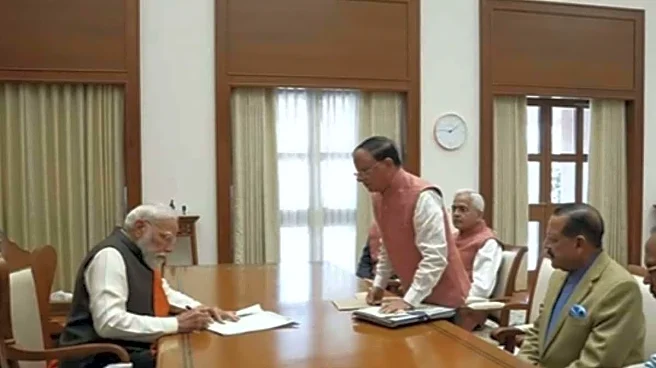
In a significant move to overhaul urban mobility in the National Capital Region, the Union Cabinet, chaired by Prime Minister Narendra Modi, has approved the much-anticipated extension of the Noida Metro’s Aqua Line. This 11.56-kilometre corridor, connecting Noida Sector 142 directly to the Botanical Garden interchange, is envisioned as a transformative project that will bridge a critical gap in the regional transport network.
By integrating the independent Aqua Line with the broader Delhi Metro system, the extension aims to provide a seamless, high-speed alternative for the thousands of commuters who traverse the Noida–Greater Noida Expressway daily.
A boost to ‘Ease of Living’ for the people of Noida!
The Cabinet has approved the extension corridor
from Noida Sector 142 to Botanical Garden (Noida). This decision will add momentum to Noida’s development journey. Congestion will be reduced significantly as well.…
— Narendra Modi (@narendramodi) February 14, 2026
Strategic Integration and Technical Details
The new corridor will feature eight elevated stations, strategically positioned to serve dense residential pockets and burgeoning commercial zones. The project is estimated to cost Rs 2,254 crore and is slated for completion within the next four years. Once operational, it will expand the active metro network in Noida and Greater Noida to over 61 kilometres.
The crowning jewel of this project is the transformation of the Botanical Garden station into a mega-transit hub. For the first time, Aqua Line commuters will have direct access to the Blue Line (connecting to Central Delhi and Dwarka) and the Magenta Line (providing a swift route to the IGI Airport and South Delhi). This eliminates the current logistical hurdle where passengers are forced to exit at Sector 51 and take a road-based transfer to the Delhi Metro network, a move that often adds significant time and stress to the daily journey.
Economic and Corporate Impact
The extension is more than just a transport link; it is a vital artery for Noida’s “IT Corridor”. The route will provide direct connectivity to major multinational hubs and corporate parks housing giants like Microsoft, TCS, Infosys, Adobe, and Oracle. Furthermore, the project will benefit several landmark educational institutions, such as Amity University, and critical healthcare facilities like the Max Super Speciality Hospital in Sector 128.
Environmental and Lifestyle Benefits
In line with the Prime Minister’s vision for “Ease of Living”, the extension is expected to drastically reduce vehicular congestion on the Noida Expressway, which has become increasingly prone to peak-hour bottlenecks. By encouraging a shift towards low-emission public transport, the government anticipates a meaningful reduction in carbon emissions and fuel consumption. For the residents of sectors 93, 105, 108, and 142, the project promises to unlock significant real estate value and enhance accessibility to the capital’s railway stations and bus terminals, truly making Noida a central pillar of the modern National Capital Region.


/images/ppid_59c68470-image-177098259278152467.webp)


/images/ppid_a911dc6a-image-177100042462595765.webp)

/images/ppid_a911dc6a-image-177098224616495837.webp)
/images/ppid_a911dc6a-image-177088105408391550.webp)