
By the time the winter sun warmed the lawns of Hotel Clarks Amer, it was clear that Jaipur Literature Festival
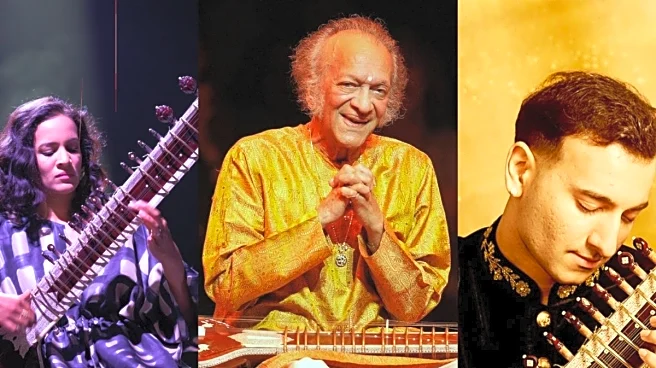
(JLF) 2026 was not interested in neat categories. Literature spilled into politics, food into memory, grief into performance, and technology into ethics. Over five days, the festival unfolded less like a parade of celebrity sessions and more like a collective reckoning with how the world feels right now.The mornings began gently with Carnatic ensembles, folk ballads, and percussion that grounded audiences before the intellectual onslaught. Music at JLF has always been more than just a decorative interlude; this year, it felt like a reminder to slow down before engaging with ideas that were often unsettling.
From the opening keynote by
International Booker Prize winner Banu Mushtaq, the tone was unmistakable: writing was positioned as responsibility, not indulgence. Across sessions -from Gaza to colonial Punjab, from caste to climate – authors returned to the idea of storytelling as an act of bearing witness. Whether it was historians analysing coexistence, novelists interrogating memory, or journalists recounting conflict, literature emerged as a tool for moral clarity in noisy times.
Kiran Desai’s rare public reflections on loneliness and creative discipline stood alongside Richard Flanagan’s insistence that fiction must disturb complacency. Even humour, in Stephen Fry’s wordplay and reflections on language, carried an undertone of survival rather than escape.
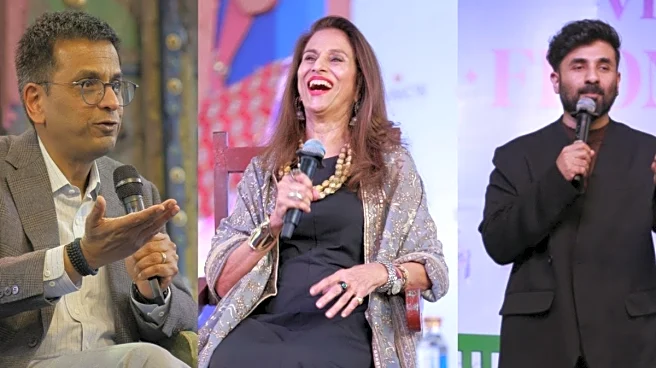
One of the festival’s most striking shifts was its attention to the intimate. Sessions on food, wellness, grief, and sensuality reframed culture as something lived daily, not debated abstractly. Nutritionist Rujuta Diwekar’s call to return to Indian food wisdom, Sudha Murty’s gentle insistence on teaching history through emotion, and Shobhaa De’s unapologetic reclaiming of sensuality all pointed to the same truth: culture begins in the body.
As De observed during her session, shame around women’s pleasure is taught early and reinforced quietly. “Even our thoughts are not left without censorship,” she noted, arguing that India’s rich sensual traditions, from food to dress, were long suppressed by social inhibition rather than absence.
If intimacy anchored one end of the festival, power dominated the other. Conversations with ex-CJI DY Chandrachud, Sir Tim Berners-Lee, Leo Varadkar, and Radosław Sikorski reflected an urgent concern with systems that shape everyday freedoms. Justice Chandrachud’s reminder that the Constitution is a “common stone” holding society together resonated deeply in a festival increasingly attentive to lived justice rather than abstract ideals.
As the festival closed, what lingered was not a single headline moment, but a mood – curious, unsettled, and deeply human. In an age of polarised opinions and shrinking attention spans, JLF 2026 reaffirmed the quiet power of listening. Literature here was not a refuge from the world, but a way to stay engaged with it – thoughtfully, critically, and with empathy intact.
/images/ppid_59c68470-image-177102753183257032.webp)



/images/ppid_a911dc6a-image-17710264327998831.webp)

/images/ppid_a911dc6a-image-177102646607765106.webp)