
/images/ppid_a911dc6a-image-178114722888777834.webp)
/images/ppid_a911dc6a-image-178108282796371551.webp)



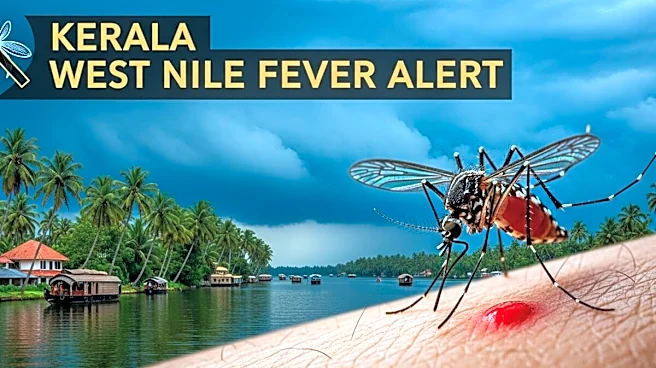
Kerala health authorities have issued a high alert after a 70-year-old man from Kadungalloor near Aluva in Ernakulam district died due to suspected West Nile fever. The case has raised concerns because it is the second reported death linked to the mosquito-borne disease in the district within a week.
In response, the Kerala Health Department has intensified surveillance and urged residents to actively participate in mosquito-control efforts to reduce the risk of infection. Authorities have also warned that negligence in maintaining residential premises and eliminating mosquito-breeding sites could attract penalties under the Public Health Act.
What Is West Nile Fever?
West Nile fever is a viral infection caused by the West Nile virus, which belongs to the flavivirus family.
The virus is commonly found in migratory birds and is transmitted to humans through the bite of infected mosquitoes, particularly Culex mosquitoes.
Health officials have clarified that the disease does not spread from person to person. Humans become infected only when bitten by a mosquito carrying the virus.
While many infected people may experience mild symptoms or no symptoms at all, some cases can become severe and affect the nervous system.
Symptoms Of West Nile Fever
Doctors say symptoms can range from mild flu-like illness to serious neurological complications.
Common symptoms include:
Fever
High body temperature
Headache
Fatigue
Neck stiffness
Confusion
Behavioural changes
Excessive drowsiness
Semi-consciousness
Loss of consciousness
In severe cases, West Nile fever can lead to encephalitis (brain inflammation) or meningitis (inflammation of the membranes surrounding the brain and spinal cord), both of which require urgent medical attention.
Who Faces The Highest Risk?
Although anyone can contract the virus, certain groups are more vulnerable to severe illness and complications.
These include:
Older adults
People with weakened immune systems
Individuals with chronic medical conditions
Pregnant women
Young children
Health officials are advising families to take extra precautions, especially when caring for elderly relatives.
How Does The Virus Spread?
The primary carriers of the virus are Culex mosquitoes, which breed in stagnant and polluted water.
Common breeding sites include:
Open drains
Septic tanks
Marshy areas
Paddy fields
Waterlogged containers
Discarded tyres
Open water storage tanks
Overgrown vegetation
Even small collections of standing water can become breeding grounds for mosquitoes.
How To Protect Yourself
Health experts say preventing mosquito bites remains the most effective defence against West Nile fever.
Residents are advised to:
Remove stagnant water around homes
Cover water storage containers
Clean tanks and containers regularly
Sleep under mosquito nets
Use mosquito repellents
Install screens on doors and windows
Wear full-sleeved clothing and long pants
Keep surroundings clean and free from overgrown vegetation.




/images/ppid_a911dc6a-image-178124804726413073.webp)