


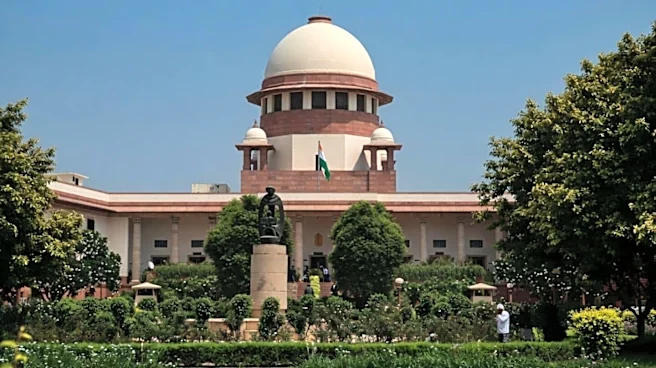
The Supreme Court on Friday directed the Centre to submit its finalised rules for regulating airfares by November 16, after the government informed the court that the proposed framework had received administrative approval and would be published within two weeks.
Solicitor General Tushar Mehta told the apex court that the rules intended to address concerns over steep and unpredictable airline ticket prices had been finalised and are ready to be published within two weeks. Taking note of the submission, the court asked the Centre to place the rules before it by November 16.
The development marks a significant step in the Centre’s efforts to put a formal regulatory framework in place for airline pricing, an issue that has repeatedly drawn judicial
scrutiny amid complaints of sharp fare increases during periods of high demand.
The proposed rules are expected to address concerns around the pricing practices of private airlines. However, the precise provisions of the final framework will become clear once the rules are officially published.
The proceedings stem from a petition filed by social activist SL Laxminarayanan, who has sought binding regulatory guidelines to curb unpredictable fluctuations in airfares and protect passengers from excessive ticket prices and additional charges. The plea has called for greater transparency in airline pricing, safeguards against arbitrary fare hikes, uniform cancellation and refund policies, and an independent aviation regulator empowered to protect passenger interests.
The court’s intervention also comes at a time when flying home for festivals has become increasingly expensive for many families. Reports have highlighted how soaring festive-season airfares have forced passengers to squeeze their budgets, reconsider travel plans and, in some cases, cancel trips altogether.
Ticket prices on several routes have risen sharply during the festive travel rush, making advance planning increasingly important for passengers. The combination of high seasonal demand and rising airline costs has intensified concerns over affordability.
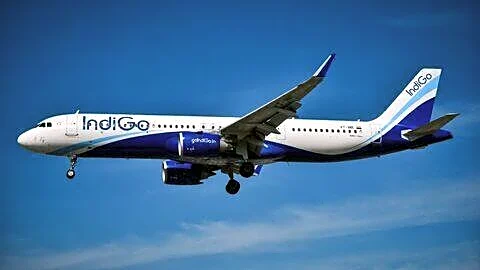
The latest airfare concerns have also coincided with a fresh round of fuel surcharge increases. IndiGo announced revised fuel charges effective October 6, with domestic surcharges ranging from Rs 375 to Rs 1,300 depending on the distance travelled.
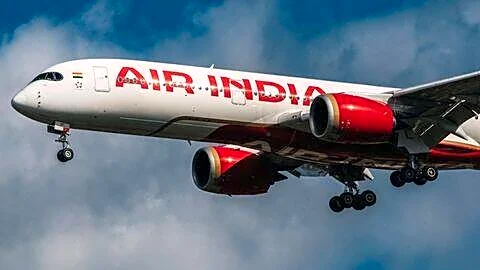
Air India, Air India Express and Akasa Air subsequently announced increases or introduced fuel surcharges from October 9, citing elevated ATF costs. The revisions are expected to add to passengers’ overall ticket bills.
ATF is a major component of airline operating expenses, accounting for around 40 peer cent of an Indian carrier’s operating costs. Higher fuel prices can therefore put pressure on airline margins, prompting carriers to pass on some of the additional costs to passengers.
However, the fuel surcharge increases come on top of festive-season price spikes, raising questions about how affordable air travel remains during periods of peak demand.
The proceedings concern demands for greater transparency and safeguards against excessive fluctuations in airfares. The court has previously raised concerns about sharp fare increases during periods of exceptional demand.
The Centre had earlier told the court that it was expediting the framing of rules under the Bharatiya Vayuyan Adhiniyam, 2024.
With administrative approval now secured and publication expected within two weeks, the November 16 deadline will be a key milestone. Whether the new framework directly limits fares, strengthens disclosure requirements or introduces other safeguards will depend on the final provisions.

/images/ppid_59c68470-image-179213751895884626.webp)




/images/ppid_59c68470-image-179196502161357393.webp)