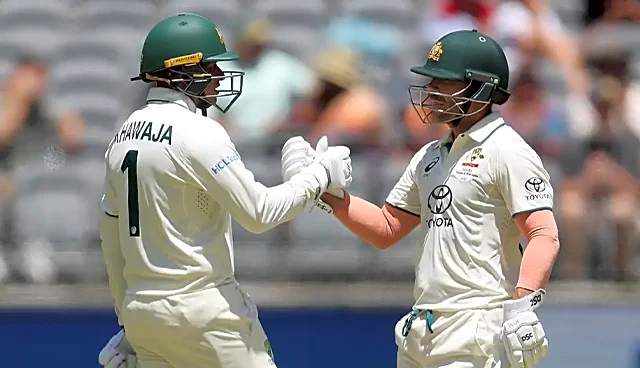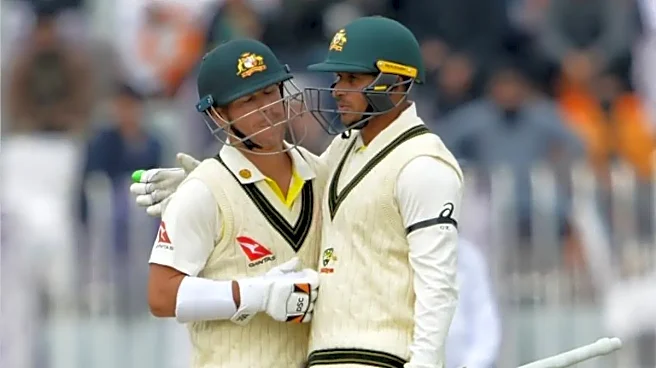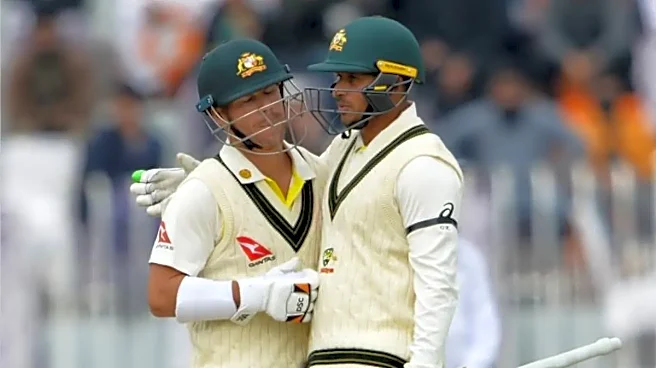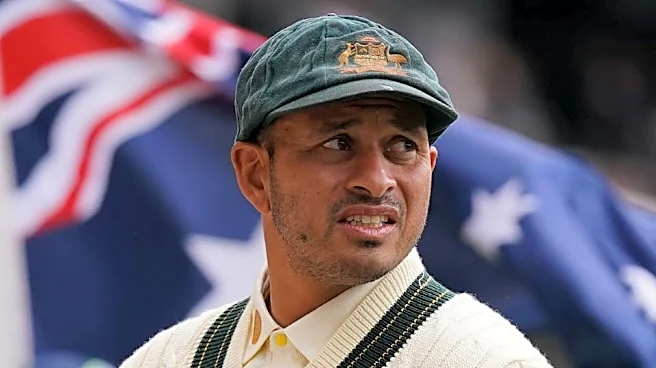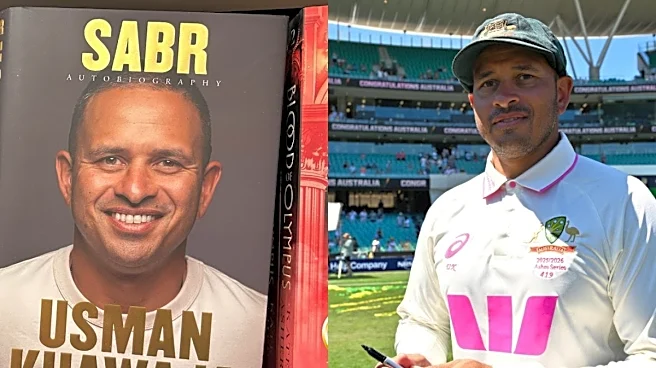

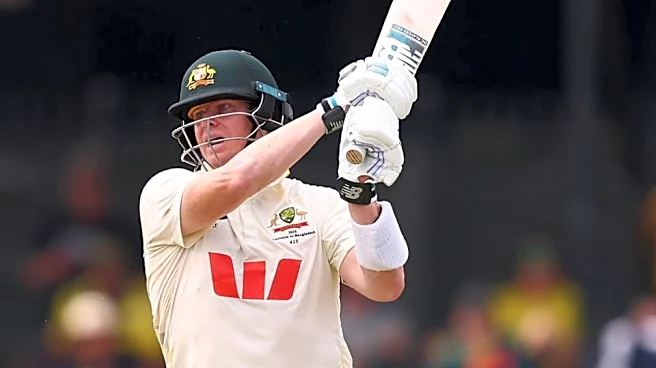
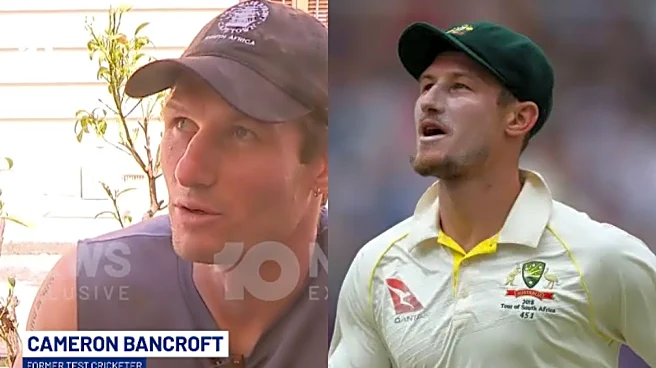
Australian cricket is, again, dealing with the aftermath of the explosive Sandpapergate scandal of 2018 that resulted in David Warner, Steve Smith and Cameron Bancroft being severely punished for their roles in altering the condition of the ball during a Test against South Africa in Newlands. Usman Khawaja’s autobiography has reignited the spark that the Australian cricket fraternity would’ve hoped has been consigned to history.
Khawaja has reopened questions about the infamous Cape Town Test of 2018, when Bancroft was caught on television using sandpaper to alter the condition of the ball during Australia’s tour of South Africa.
In his book, Khawaja claimed that knowledge of the ball-tampering operation extended beyond the three players who were
punished at the time. He alleged that the entire Australian team, including players and support staff, was aware of what was happening.
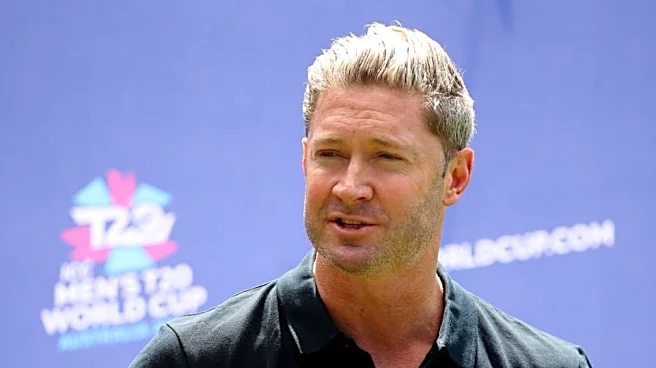
Now, former South African fast bowler Fanie de Villiers has labelled Khawaja as the “biggest traitor” he has seen in cricket.
De Villiers launched a scathing attack on the former Aussie opener after the latter’s book, Sabr: Finding My Way in Cricket and Life, made fresh claims about the extent of Australia’s involvement in the incident.
Speaking on Perth-based Sport FM 91.3, de Villiers accused Khawaja of betraying his former teammates and damaging Australian cricket by bringing the scandal back into the public domain.
“I want to go on the record saying Khawaja is probably the biggest traitor that I’ve ever seen in cricket … over my last 40, 50 years of watching the game,” de Villiers said. “He’s broken every single code of conduct that one can think of. He’s sold out his fellow players. This is not about right or wrong. The wrong has already been handled. It’s already been part of Australian cricket and it’s sad that it happened.”
“But this guy has brought everything to the fore again. He’s brought Australian cricket into disrepute all over again. Breaking down of friendships, the code of conduct that one has within the team. He’s done everything wrong one can think of,” he added.
Khawaja also threw light on the conversations he had with Bancroft before the incident became public and said he had argued that the team should collectively accept responsibility for the wrongdoing.
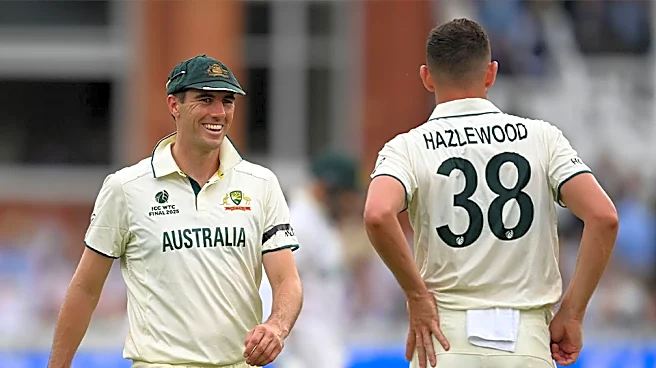
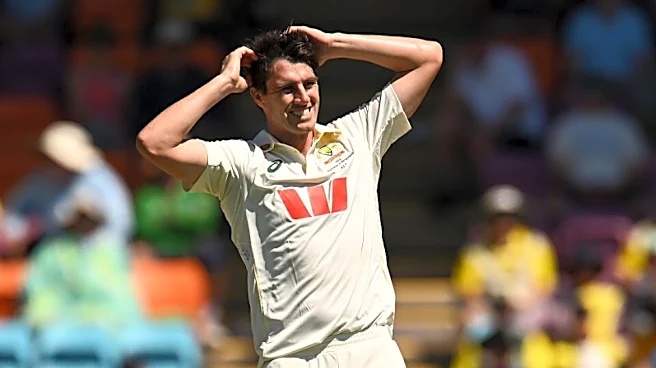
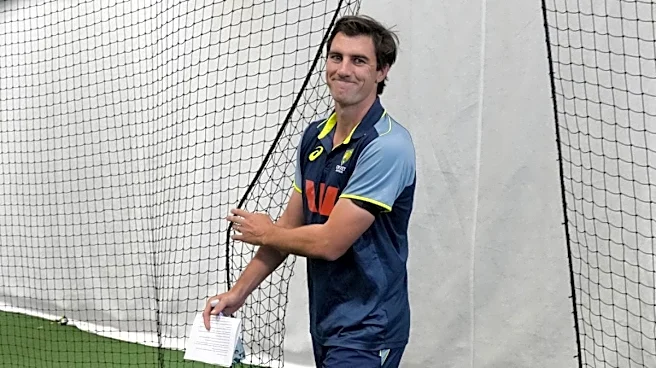
The revelations prompted a strong response from Australia’s Test captain Pat Cummins, who rejected suggestions that he and other members of the bowling attack knew sandpaper was being used.
Addressing the allegations at a press conference on November 13, Cummins described Khawaja’s claims as “complete and utter nonsense”.
“When he says we all knew, if by that he means we knew sandpaper was going out on the field, he’s 100 per cent wrong. I’ve said that consistently for the last eight years. I did not know that was happening,” Cummins said.
He also disputed Khawaja’s suggestion that he and other players were architects of a ball-tampering plan, adding that the autobiography had been careless with the reputations of several former teammates.
The dispute escalated further when Bancroft broke his long silence on the scandal in an extensive column published in The West Australian.
Bancroft backed Khawaja’s account and claimed that the entire Australian team knew about the operation.
He also admitted that he had not provided a complete and truthful account during Cricket Australia’s original investigation in 2018, saying he had withheld important details about when the use of sandpaper began, how long it continued and the involvement of other members of the team.
Bancroft identified Cummins’ press conference as the reason he decided to speak publicly.
“The final straw for me to write this account was Australian cricket captain Pat Cummins’ press conference,” he wrote.
Cummins, through his manager Neil Maxwell, maintained that his position had not changed and that the allegations raised by Bancroft had already been addressed.
Cricket Australia, though, has ruled out reopening its original investigation into the incident.