


Saudi Arabia has reportedly offered $1 billion to Yemen’s Iran-backed Houthi rebels to secure a ceasefire and restore oil exports, according to Israeli newspaper Israel Hayom. The reported proposal comes amid escalating tensions in the Middle East, with Pakistan Army Chief Field Marshal Asim Munir involved in negotiations aimed at containing the crisis.
In a report published on October 27, the Hebrew-language newspaper said Pakistan, Turkey and Iran were involved in talks intended to stop attacks on Saudi infrastructure. The discussions reportedly took place in Tehran as part of efforts linked to the Mecca pact.
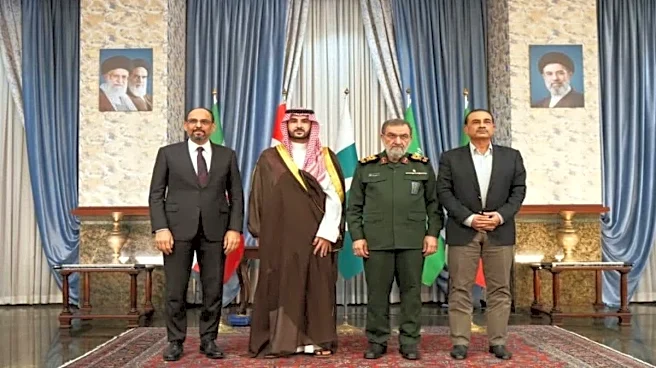
Citing diplomatic sources in the Gulf, Israel Hayom reported that Saudi Defence Minister Prince Khalid bin Salman’s surprise visit to
Tehran was aimed at reaching an understanding with the Houthis through Iran.
The newspaper cited a source claiming that the Saudi minister carried the money aboard the Hercules military transport aircraft he used to travel to the Iranian capital. However, the report did not establish that a payment had been made, and no Saudi official confirmed a transfer.
Munir and Turkish intelligence chief Ibrahim Kalin also participated in the talks, according to the report. The meeting brought representatives of the Saudi-led Mecca Joint Defence Alliance into discussions with Iranian leaders over a crisis threatening regional security and energy supplies.
Why Saudi Arabia Is Seeking A Deal
The reported negotiations come amid Houthi attacks on Saudi airports, particularly oil facilities, which have caused significant economic damage to the kingdom. Meanwhile, attacks attributed to Iran on tankers in the Strait of Hormuz have disrupted Gulf oil exports, adding pressure on regional energy markets.
Saudi Arabia has a direct interest in containing the escalation, as a prolonged confrontation threatens its oil exports, critical infrastructure and economic interests. If pursued, the reported offer would use financial incentives and Iranian mediation to secure an end to the attacks.
According to Israel Hayom, the dispute also relates to understandings reached around three years ago under which Riyadh was expected to provide financial assistance to the Houthis as part of a wider settlement. The proposed funding was intended, among other purposes, to pay public-sector salaries in Houthi-controlled areas and rebuild civilian infrastructure.
In return, the Houthis were expected to maintain a ceasefire and stop attacking Saudi Arabia. In recent months, the rebels have reportedly cited Riyadh’s failure to honour those understandings to justify renewed attacks.
The newspaper also alleged that Iran has continued to arm and support the Houthis as part of its broader confrontation with the United States.
Asim Munir’s Role In The Negotiations
Pakistan’s participation places Islamabad at the centre of a diplomatic effort involving its defence partners and Iran. According to Israel Hayom, Munir joined Saudi and Turkish representatives in the Tehran talks.
The discussions follow the signing of the Mecca mutual defence pact by Saudi Arabia, Pakistan and Turkey in August. The agreement envisages military assistance if a member comes under attack. However, Pakistan and Turkey have provided limited assistance, sending military advisers but no additional support forces despite the escalating attacks on Saudi Arabia.
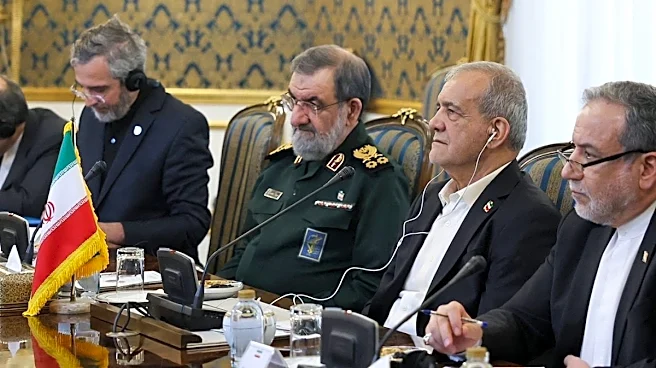
The reported talks also involved Iranian President Masoud Pezeshkian, Supreme National Security Council Secretary General Mohsen Rezaei and senior officials from the Islamic Revolutionary Guard Corps. Iran offered to mediate between Saudi Arabia and the Houthis, positioning itself as an intermediary despite its support for the rebel group.
Iran Seeks A Greater Diplomatic Role
The meeting offered Tehran an opportunity to demonstrate its role in regional security negotiations. It was reportedly the first official engagement between representatives of the Mecca defence alliance and Iran’s leadership.
Iran is seeking a regional security framework led by Middle Eastern countries while opposing military intervention by the United States and Israel. Its offer to mediate could allow Tehran to use its influence over the Houthis to strengthen its diplomatic position.
However, Riyadh’s publicly stated position is more cautious than the reported financial proposal suggests. According to Israel Hayom, Saudi Arabia has rejected yielding to what it called “military blackmail” and opposes transferring funds to the Houthis before they return territory seized from Yemen’s internationally recognised government, which Riyadh supports.
For now, the reported $1-billion offer remains unconfirmed. While the Saudi minister’s visit to Tehran and the participation of Pakistani and Turkish officials have been reported by multiple news outlets, neither the alleged payment nor a final ceasefire agreement has been independently established.