
/images/ppid_a911dc6a-image-177880642746734673.webp)

If your next long-haul flight suddenly costs more, takes an extra two hours or includes an unexpected route change, the reason may have little to do with weather or holiday demand. Instead, the growing airspace restrictions across the Middle East are quietly reshaping global travel and travellers are already beginning to feel the effects.
From Europe to Asia, airlines are being forced to reroute planes away from conflict-sensitive airspace linked to the ongoing Iran crisis. What sounds like a technical aviation adjustment is now turning into a real-world travel headache involving higher airfares, longer flying times and increased delays.
Ongoing Middle East airspace restrictions combined with oil prices surging above $100 per barrel are driving
up airline costs – and those extra expenses are increasingly being passed on to travellers like you.
Airlines rerouting flights to avoid Iranian airspace are burning significantly more fuel. Data from i6 Group shows that in the first 60 days of the conflict, carriers spent an extra $2.6–3.9 billion on fuel. If the situation continues, they could face another $5.6–8.4 billion in added costs between May and August. Single-aisle planes (common on many European and short-haul routes) are seeing fuel consumption rise by up to 9.3%, while widebody aircraft are burning around 2.5% more.
Why Are Flights Suddenly Taking Longer?
Many of the world’s busiest flight corridors pass through or near Middle Eastern airspace. Airlines travelling between Europe and Asia have traditionally relied on efficient routes crossing Iran, Iraq and nearby regions to save both time and fuel.
Instead of direct paths, flights are being rerouted north through Türkiye and the Caucasus or south via Saudi Arabia and alternative Gulf routes. What this means for travellers:
- longer flight durations
- more fuel usage
- greater chances of delays
- tighter layovers
- higher operational costs passed onto passengers
Some travellers are already noticing flight times stretching noticeably on routes between India, Europe, Southeast Asia and North America.
Recent data from Kayak reveals average domestic fares in key markets are up nearly $100 year-on-year, while international tickets have increased by around $199 on many routes. Fuel surcharges and baggage fees are also rising as airlines try to offset costs.
Why Ticket Prices Could Rise Even More This Summer
According to aviation analysts, rerouted flights are consuming significantly more fuel because aircraft are travelling farther distances and staying airborne longer. Meanwhile, jet fuel prices themselves have jumped sharply amid fears surrounding oil supply disruptions in the Strait of Hormuz, one of the world’s most important energy shipping routes.
For travellers, this could translate into:
- more expensive international fares
- fewer airline discounts
- rising baggage and operational surcharges
- reduced flight frequency on certain routes
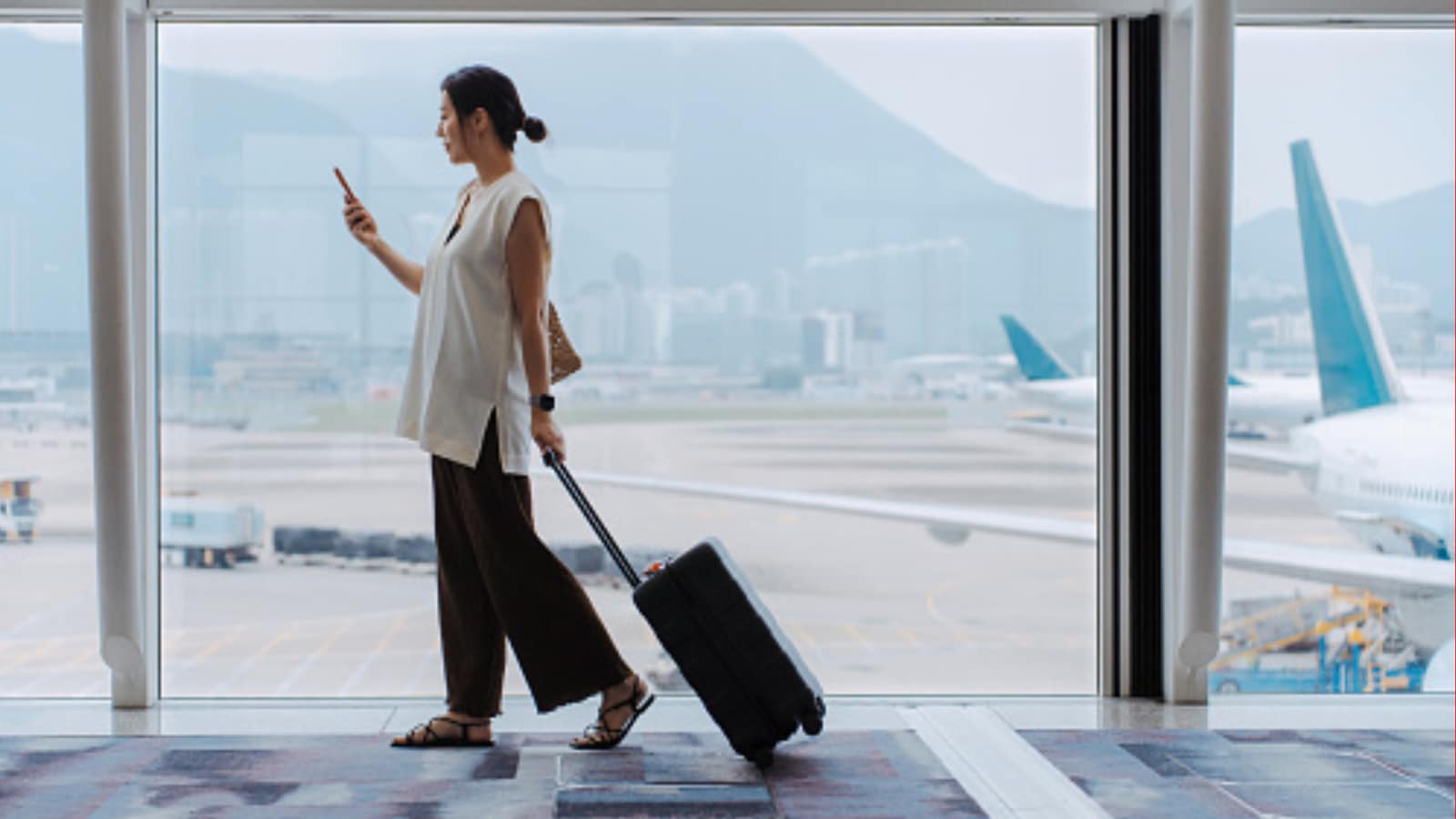
Industry experts warn that peak summer travel may become especially costly if fuel prices continue climbing.
Which Travellers Could Feel The Impact Most?
Passengers flying between:
- India and Europe
- Europe and Southeast Asia
- Australia and Europe
- Gulf transit hubs
- North America and South Asia
may experience the biggest changes.
Air India has already announced cuts to several international services between June and August because of rising fuel costs and airspace restrictions. Meanwhile, airlines including Singapore Airlines and Air New Zealand have warned that the crisis is putting major pressure on profits.
What Should Travellers Do Now?
Travel experts say flexibility will become increasingly important. If you are travelling internationally this summer:
- allow extra transit time for connecting flights
- monitor airline emails for route or timing changes
- consider travel insurance for delays and cancellations
- book early before fares rise further
- avoid extremely tight layovers
Importantly, aviation authorities stress there is currently no widespread safety threat to passengers. Airlines are rerouting flights precisely to avoid risk zones.
/images/ppid_59c68470-image-177881012630730100.webp)

/images/ppid_59c68470-image-177881006375414725.webp)
/images/ppid_59c68470-image-177881003305937182.webp)


/images/ppid_59c68470-image-177881002860716819.webp)



/images/ppid_a911dc6a-image-177880822543048162.webp)

/images/ppid_59c68470-image-177880753571635579.webp)
/images/ppid_59c68470-image-177880757109465136.webp)