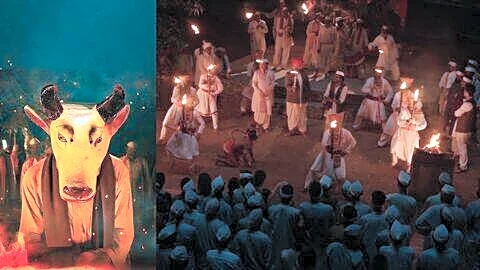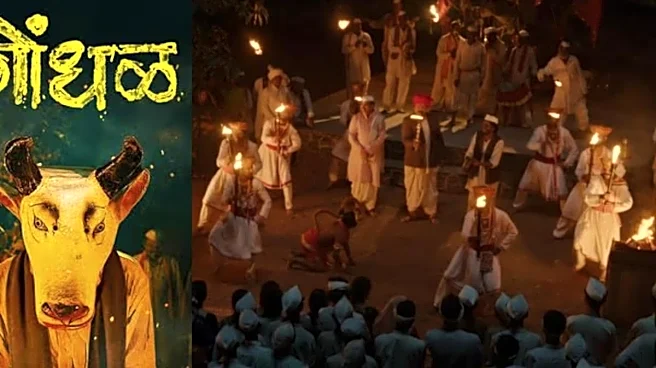


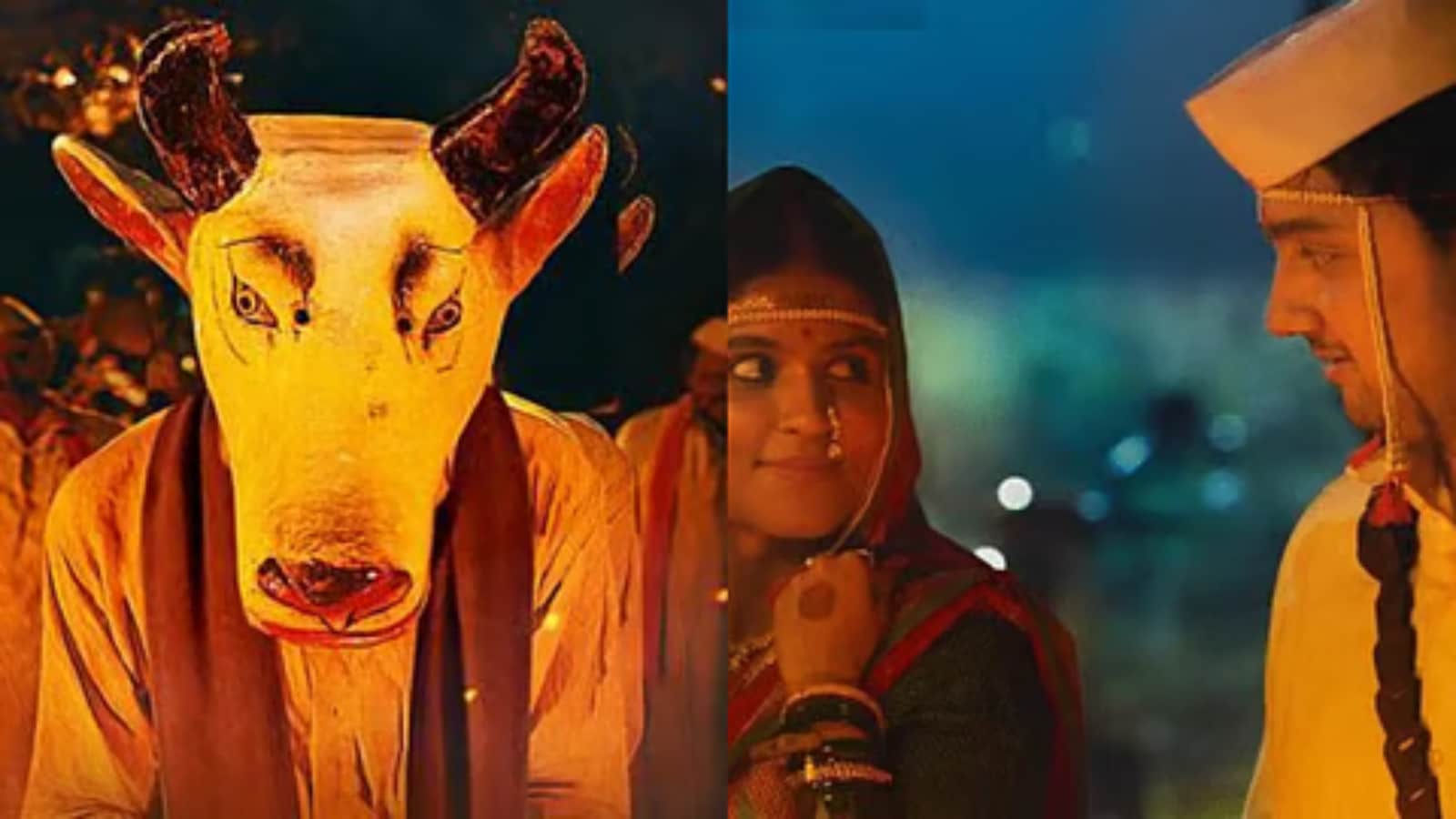
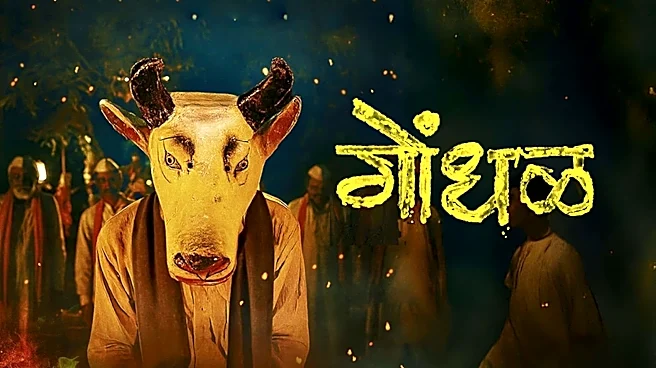
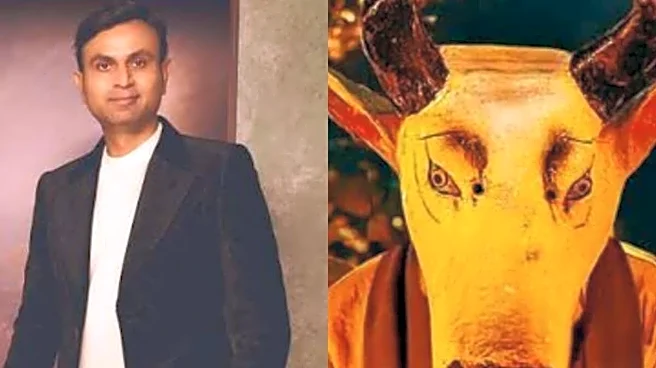
Marathi film Gondhal has been selected as India’s official entry for the 2027 Oscars, bringing a centuries-old Maharashtrian ritual into the international spotlight. Written and directed by Santosh Davakhar, the film was chosen from 33 submissions by the Film Federation of India for the Best International Feature Film category at the 99th Academy Awards.
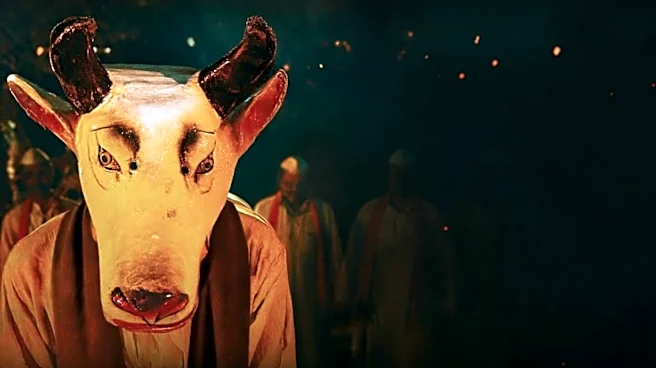
Set in rural Maharashtra, the film unfolds during a night-long Gondhal celebration. While the story explores relationships, desire, deception and fate, the ritual itself forms the cultural and spiritual setting of the narrative.
What is Gondhal?
Gondhal is a traditional Maharashtrian ritual performance that brings together devotional singing, music, dance and storytelling to invoke and worship deities. It is traditionally
performed at night and is associated with significant family occasions, including weddings and other celebrations.
The performers, known as Gondhalis, lead the ceremony through songs, rhythmic movements and traditional instruments. Historical descriptions of the ritual also mention drums, the tuntune, metal instruments and a torch or lamp. The ceremony can culminate in an aarti before the deity.
Significance of Gondhal Ritual
Historically, Gondhal has been linked to family celebrations such as weddings and other joyous occasions. After the main event, the community gathers for the ritual, turning the night into a mix of devotion and collective energy. The atmosphere — firelight, rhythmic drums, energetic movement and devotional songs gives Gondhal its distinctive character. It is both a spiritual act and a communal gathering.
Its connection with weddings is particularly significant. Rather than being simply a performance for an audience, Gondhal traditionally becomes part of the occasion itself, with the community gathering through the night for the ritual.
The tradition also carries a strong storytelling element. Through devotional songs and performances, mythological and cultural narratives become part of the ceremony, linking generations through oral tradition.
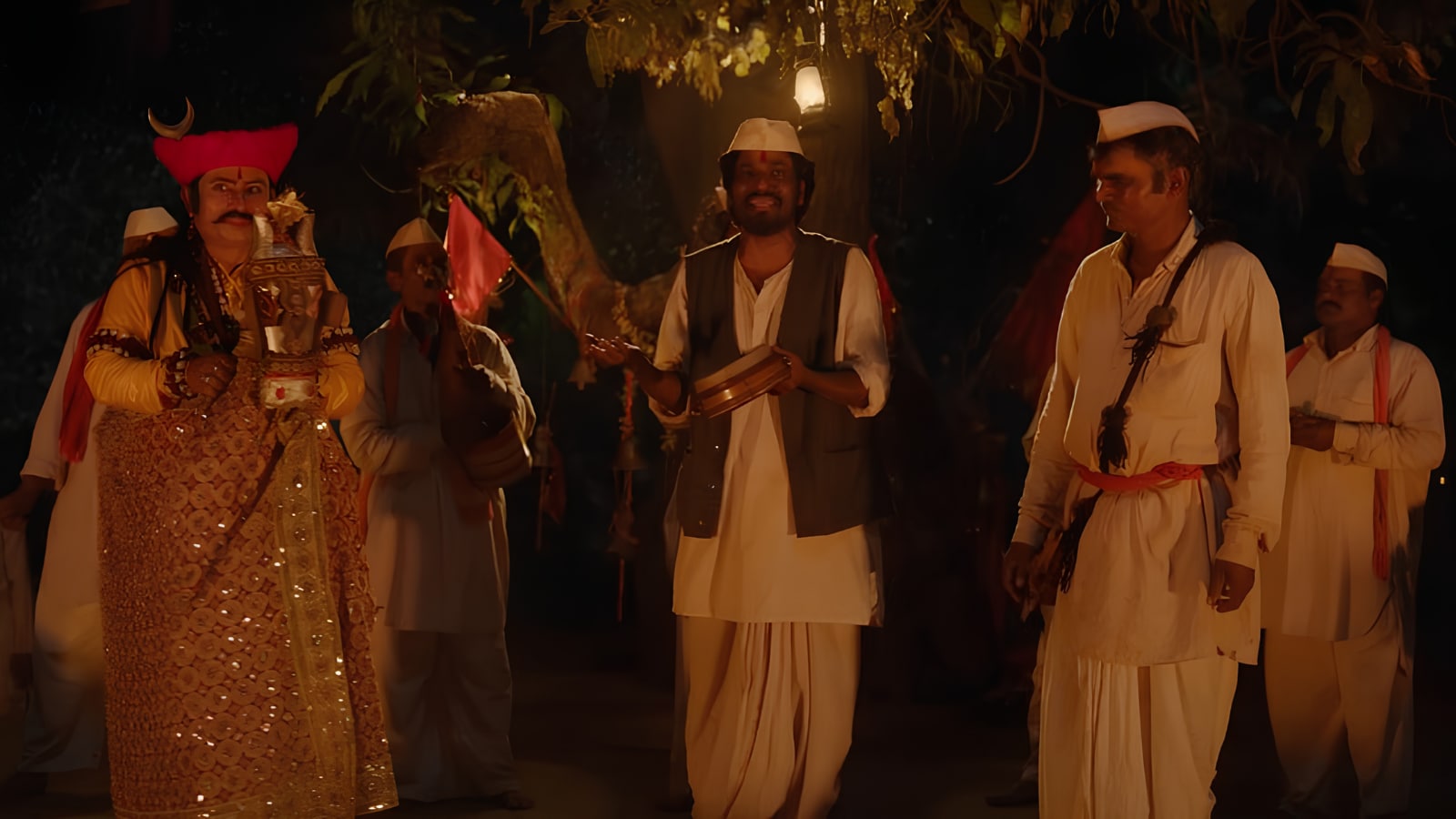
In traditional understanding, the ritual is performed to invoke the Goddess and seek protection or relief from difficulties believed to stem from negative influences or long-standing family and household concerns. The loud sound and energetic movement are said to attract positive energy while restricting or dispersing negative forces. Gondhalis are regarded as hereditary devotees who carry the tradition forward through their powerful, energy-laden performance.
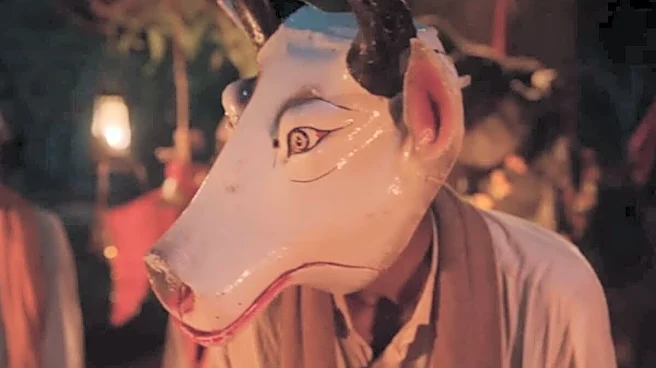
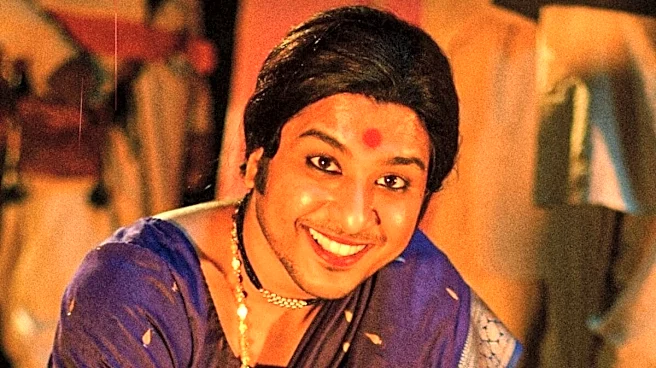
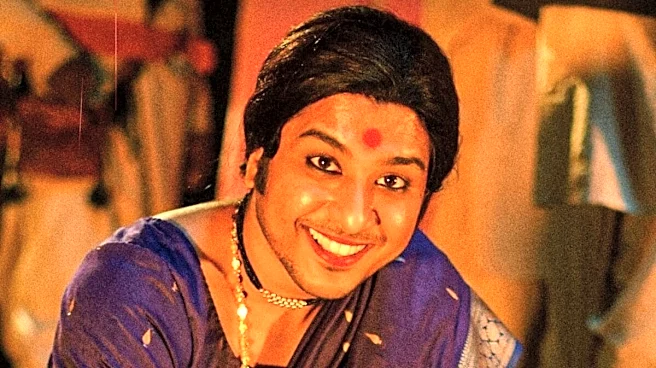
Director Santosh Davakhar has spoken of growing up watching Gondhal performances and choosing the ritual first before building the film’s story around it. In Gondhal, the night-long celebration becomes the setting for a psychological thriller involving desire, deception and danger. The ritual is not merely background; it shapes the film’s atmosphere and emotional intensity.
The selection of Gondhal as India’s Oscar entry brings a regional folk tradition to a global stage, much as other films have done with local rituals elsewhere in India. Whether or not the film advances further in the awards race, it has already introduced many to a living Maharashtrian practice in which faith, music and community still come together under the night sky.


/images/ppid_59c68470-image-178973252942786502.webp)