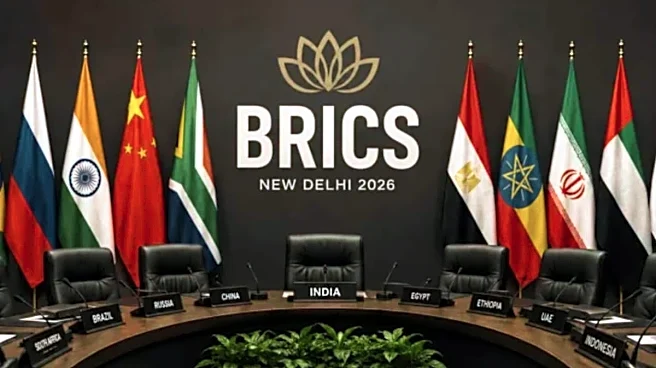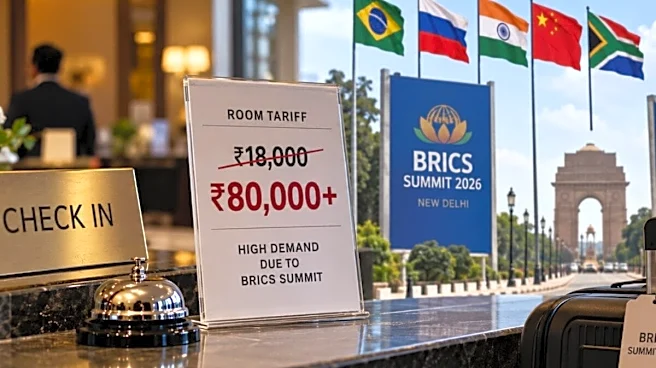




Preparations for the BRICS Summit 2026 have triggered a sharp surge in hotel tariffs across Delhi and the National Capital Region (NCR), with luxury rooms that normally cost around Rs 18,000 a night now either unavailable or being quoted at Rs 80,000 and above.
The 18th BRICS Summit is scheduled to be held in New Delhi from September 12 to 13 at Bharat Mandapam, with India hosting leaders of BRICS member and partner countries as well as outreach invitees.
The increased demand for accommodation has been reported in the days leading up to and following the summit, with industry sources expecting hotel rates to remain elevated until around September 20.
The surge is being driven by the arrival of delegations, diplomats, ministers and senior officials
for the high-profile international gathering.
The pressure on hotel inventory is not confined to central Delhi, with properties in Aerocity, Gurugram and Noida also witnessing strong bookings.
Several hotels are reporting near-full or sold-out inventories.
Why Delhi Hotel Rates Have Risen
Rajan Sehgal, a member of the Public Relations Council of the Travel Agents Association of India, said the sharp increase in demand was a natural consequence of the arrival of heads of state and large delegations.
“When dignitaries or heads of state from all over the world are coming to India with the big delegations, so naturally, the hotels will get full,” Sehgal said, as reported by news agency ANI.
He pointed out that the demand was spread across the NCR and was not restricted to Lutyens’ Delhi, with hotels in Aerocity, Gurugram, Delhi and Noida also seeing strong bookings.
Sehgal described the tariff increase as a temporary phase, noting that senior diplomats, officials and ministers attending major summits generally prefer higher-category rooms.
Travellers Advised To Look Beyond Central Delhi
The sharp rise in room rates has also prompted travel agents to suggest alternatives to people whose trips to Delhi during the summit period are not essential.
Sehgal said travel agents had been blocking hotels outside the heart of Delhi to secure comparatively lower rates for clients, while arranging luxury transport to the city.
He gave the example of travellers being able to obtain rooms for around Rs 20,000 instead of paying Rs 70,000-Rs 80,000 in Delhi, with transport costing around Rs 10,000. Even after factoring in transportation, he said travellers could save substantially.
Sehgal also viewed the surge in hotel demand as an opportunity to showcase India’s hospitality and tourism sector.
He said international visitors would get an opportunity to experience India’s culture, heritage, music, dance and cuisine.
Delhi Hotels To Showcase India’s Regional Cuisine
Murlimani, Chairman of the Delhi Hotel and Restaurant Owners Association, said hotels were preparing cultural activities and a wide range of food for visiting delegations.
He said hotels would showcase India’s regional diversity, with different states having their own cultures and cuisines.
Even budget hotels, he added, had been encouraged to offer a variety of regional foods.
On the increase in tariffs, Murlimani said major summits typically lead to higher rates because hotel rooms are limited and bookings are made in advance.
Hotels may also have to keep rooms, or entire blocks, vacant for dignitaries.
He urged hoteliers to direct some visitors accompanying official delegations towards budget properties to ease pressure on premium hotels.
Hotel Associations May Push For Lower Rates
Murlimani said discussions were expected within the hospitality industry over the tariff increase. He said the secretaries and president of the Federation of Hotel and Restaurant Associations were already looking into the matter.
According to him, hoteliers would be asked to try to minimise rates and accommodate additional people accompanying dignitaries in budget hotels wherever possible.
The objective, he said, would be to spread the demand across different categories of accommodation rather than placing excessive pressure on premium properties.
Traffic Restrictions Add To Summit Preparations
The hotel rush comes alongside extensive preparations by authorities for the summit. The Delhi Traffic Police conducted a motorcade rehearsal on September 6, with traffic diversions and regulated movement planned across key routes and major arterial roads.
Commuters were advised to plan journeys in advance, allow extra travel time and use public transport, particularly the Metro, wherever feasible.
They were also asked to follow designated diversion routes and instructions from traffic personnel, while emergency and essential-service vehicles were to receive priority passage.
The traffic arrangements are part of the security and logistical preparations for the summit.
Delhi Schools To Remain Closed On September 11
The summit-related arrangements have also affected the functioning of schools in the capital. According to an official circular dated September 5, all schools under the Directorate of Education will remain closed on September 11.
The holiday will apply to government, government-aided and unaided recognised private schools. Offices under the Directorate of Education will also observe the holiday.
With the BRICS Summit bringing large international delegations to the capital, the combination of heightened accommodation demand, traffic arrangements and administrative measures reflects the scale of preparations underway ahead of the September 12-13 gathering.
For Delhi’s hospitality sector, however, the immediate impact is being felt most sharply in hotel rooms, with limited premium inventory and high demand pushing tariffs far above their usual levels.
Industry representatives have characterised the spike as temporary while also viewing the international gathering as an opportunity to promote India’s hospitality, culture and tourism.