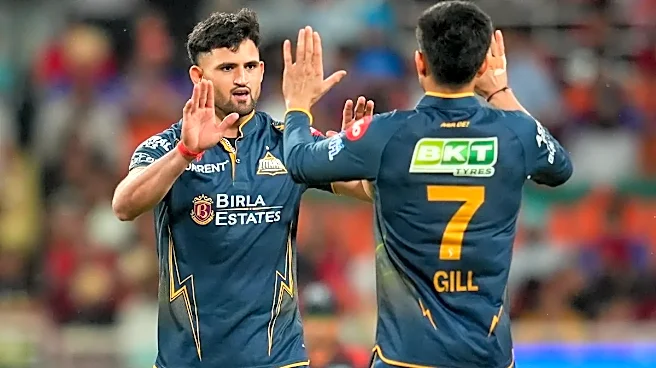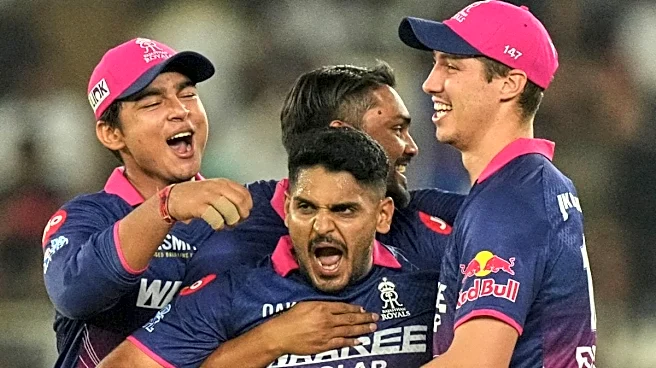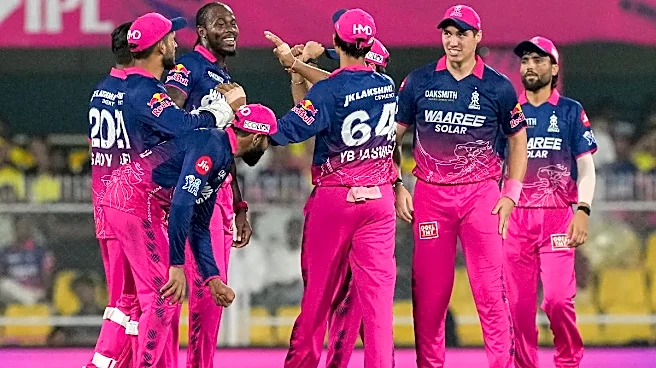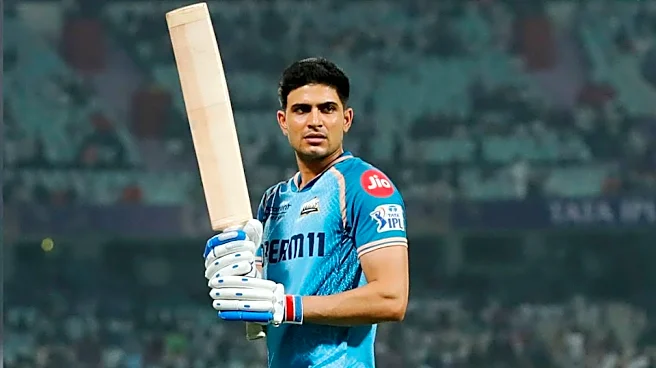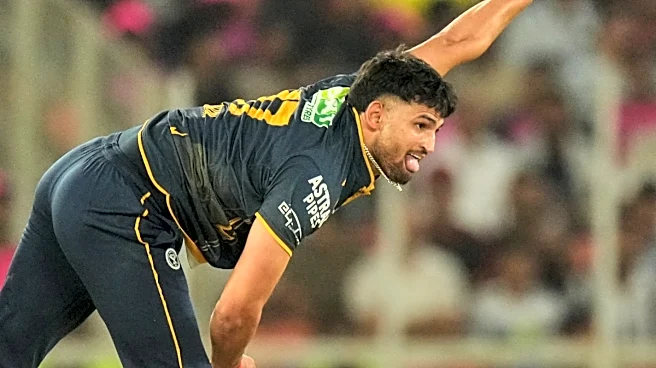

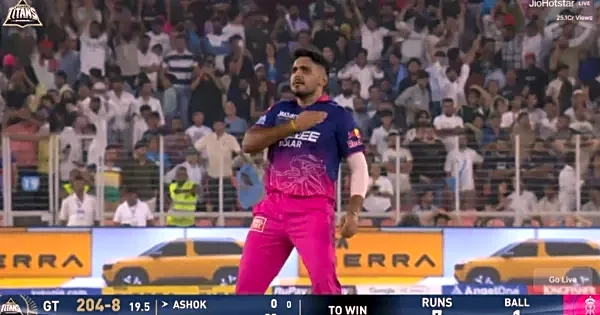
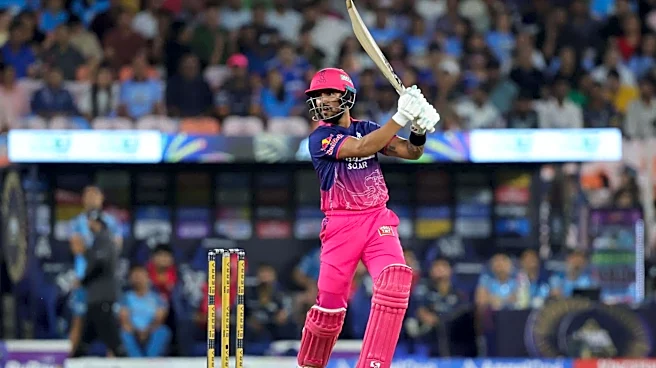
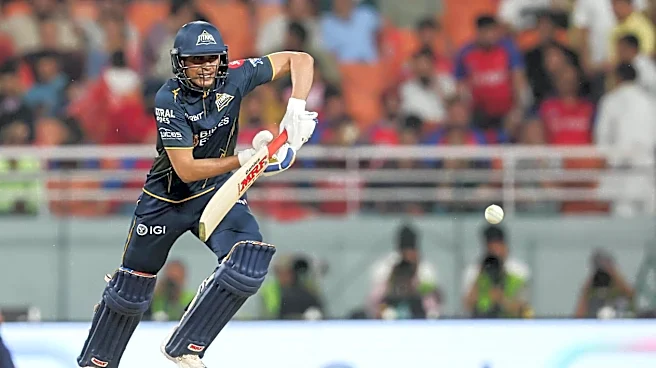
Gujarat Titans (GT) pacer Ashok Sharma bowled the fastest ball of the IPL 2026 season on Saturday (April 4), hitting a stunning 154.2 kph against Rajasthan Royals (RR). He went past South African quick Anrich Nortje’s 150.9 clicks for Lucknow Super Giants, becoming only the second 150 kph-plus ball in the season.
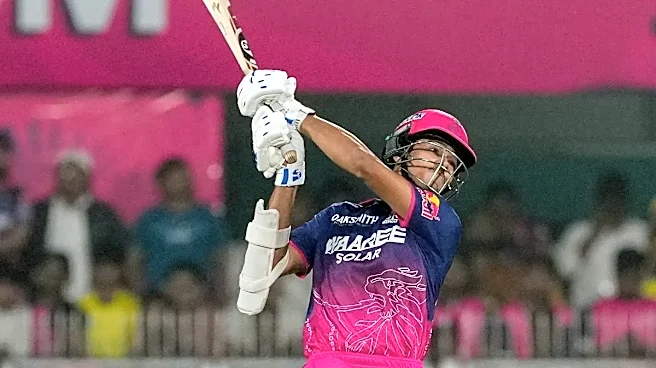
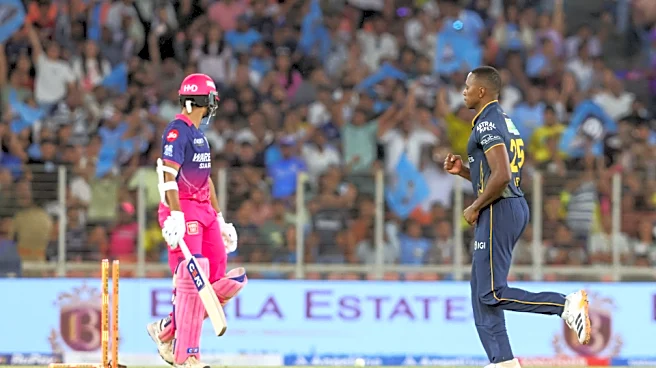
It was on the last ball of the 16th over, and the pace wasn’t the only good thing about it. Dhruv Jurel was batting, and it came right into his blockhole, with the right-hander struggling to get it out. Immediately after, the Royals batter had no clue where the ball was.
Overall, Sharma’s ball was quite far from the quickest in IPL history. That record is held by Shaun Tait (157.71), followed by Lockie Ferguson (157.30), Umran Malik (157),
Mayank Yadav (156.70), and Nortje (156.22).
How is ball speed measured in cricket?
Ball speed in cricket is mainly measured using radar guns, similar to the ones police use to check traffic speeds. These radar guns are placed behind the sight screen at both ends of the pitch. They send out a radio wave that bounces off the moving cricket ball.
As the ball moves, it changes the frequency of the returning wave. The machine calculates this change to figure out the exact speed. The speed shown on television screens is measured at the exact moment the ball leaves the bowler’s hand, because that is when the ball is traveling at its absolute fastest.
Ashok Sharma’s pace is good news for Indian cricket
Hailing from Jaipur, Ashok is the next in line of Indian pacers who are consistently matching overseas stars in pace.
While Umran and Mayank’s careers have been derailed a bit due to injuries, Ashok’s action is fortunately much smoother — he runs with very open-chested, like an athlete, before cleanly delivering the ball. He’ll need some work on his variations, but as the greats have said, nothing can beat pure pace in cricket.