


/images/ppid_59c68470-image-178193502323490368.webp)



India has always been recognized as the birthplace of yoga and spiritual wisdom. For thousands of years, yoga has served not merely as a system of physical exercise but as a holistic way of life that promotes harmony between the body, mind, and spirit. Great thinkers like Swami Vivekananda emphasized that India is a land of higher consciousness and spiritual awakening, where the principles of yoga have guided people toward balanced and meaningful lives. Even today, yoga remains one of India’s most valuable contributions to global health and well-being.
In earlier generations, daily life naturally incorporated the principles of yoga. People woke up early, engaged in physical labour, spent significant time outdoors, consumed simple and wholesome
foods, and maintained strong social and family relationships. Their lifestyles encouraged movement, discipline, mindfulness, and a close connection with nature. These habits promoted physical fitness and mental resilience without requiring special effort or structured exercise programs.
However, the rapid advancement of science and technology has dramatically transformed the way we live and work. Technology has undoubtedly improved communication, transportation, healthcare, and access to information. Yet, this technological revolution has also introduced several challenges that significantly affect human health and quality of life.
Modern lifestyles are increasingly characterized by prolonged sitting, reduced physical activity, irregular eating patterns, inadequate sleep, and excessive screen exposure. This sedentary way of life has contributed to obesity, hypertension, diabetes, back pain, anxiety, depression, stress-related disorders, insomnia, and various musculoskeletal conditions.
According to Dr D. Veerendra Heggade, Dharmadhikari, Sri Kshetra Dharmasthala, it is in this context that yoga offers a practical and comprehensive response to many of the health challenges associated with the digital age. Yoga is a multidimensional discipline that addresses physical, mental, emotional, social, and spiritual well-being simultaneously. Unlike many interventions that focus only on symptom management, yoga aims to restore balance and harmony in all aspects of life.
The practice of asanas improves flexibility, muscle strength, posture, balance, and circulation. Regular practice helps reduce stiffness, enhances mobility, and improves overall physical fitness. Pranayama calms the nervous system, reduces stress hormones, and promotes relaxation, while meditation enhances concentration, emotional stability, and mental clarity.
The integration of yoga into educational institutions and workplaces has become increasingly important. Even a few minutes of stretching exercises, mindful breathing, and brief meditation sessions can significantly improve alertness, productivity, creativity, and emotional resilience.
Scientific research has further strengthened the credibility of yoga as a therapeutic intervention. Numerous studies have demonstrated the beneficial effects of yoga in managing lifestyle disorders such as hypertension, diabetes mellitus, obesity, polycystic ovarian syndrome, anxiety, depression, insomnia, and chronic pain conditions.
Perhaps the greatest strength of yoga lies in its ability to address the root causes of disease. Many modern illnesses are strongly influenced by chronic stress, unhealthy lifestyle habits, poor sleep, inadequate physical activity, and emotional imbalance. Yoga encourages self-awareness and mindful living, helping individuals make healthier choices and adopt sustainable lifestyle changes.
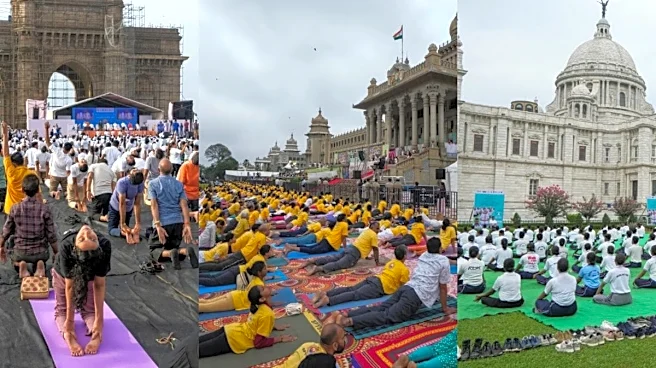
Despite being more digitally connected than ever before, many people today feel disconnected from themselves, their families, and nature. Yoga offers a bridge that reconnects individuals with their inner selves and restores a sense of purpose, peace, and harmony. It should not be viewed merely as a set of exercises or a once-a-year celebration but as a way of life.
As Dr. D. Veerendra Heggade reminds us, the contribution of yoga toward building healthy individuals, harmonious families, productive workplaces, and a healthier nation is immense. Therefore, even amidst our busy schedules and technological demands, we must consciously create space for yoga in our daily lives. By returning to our roots, reconnecting with nature, embracing simplicity, and integrating yogic principles into everyday living, we can create healthier, happier, and more meaningful lives.

/images/ppid_a911dc6a-image-178200403784267859.webp)


/images/ppid_a911dc6a-image-178201523031382277.webp)