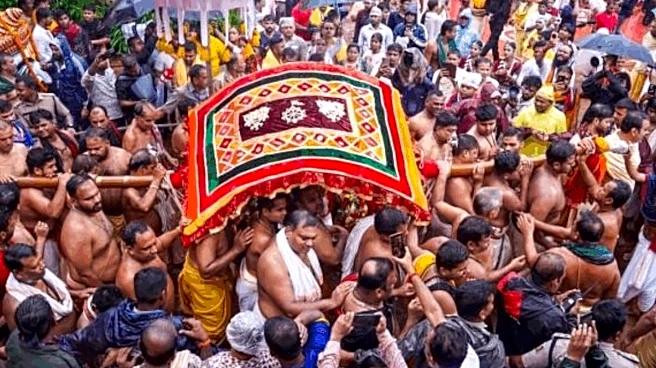



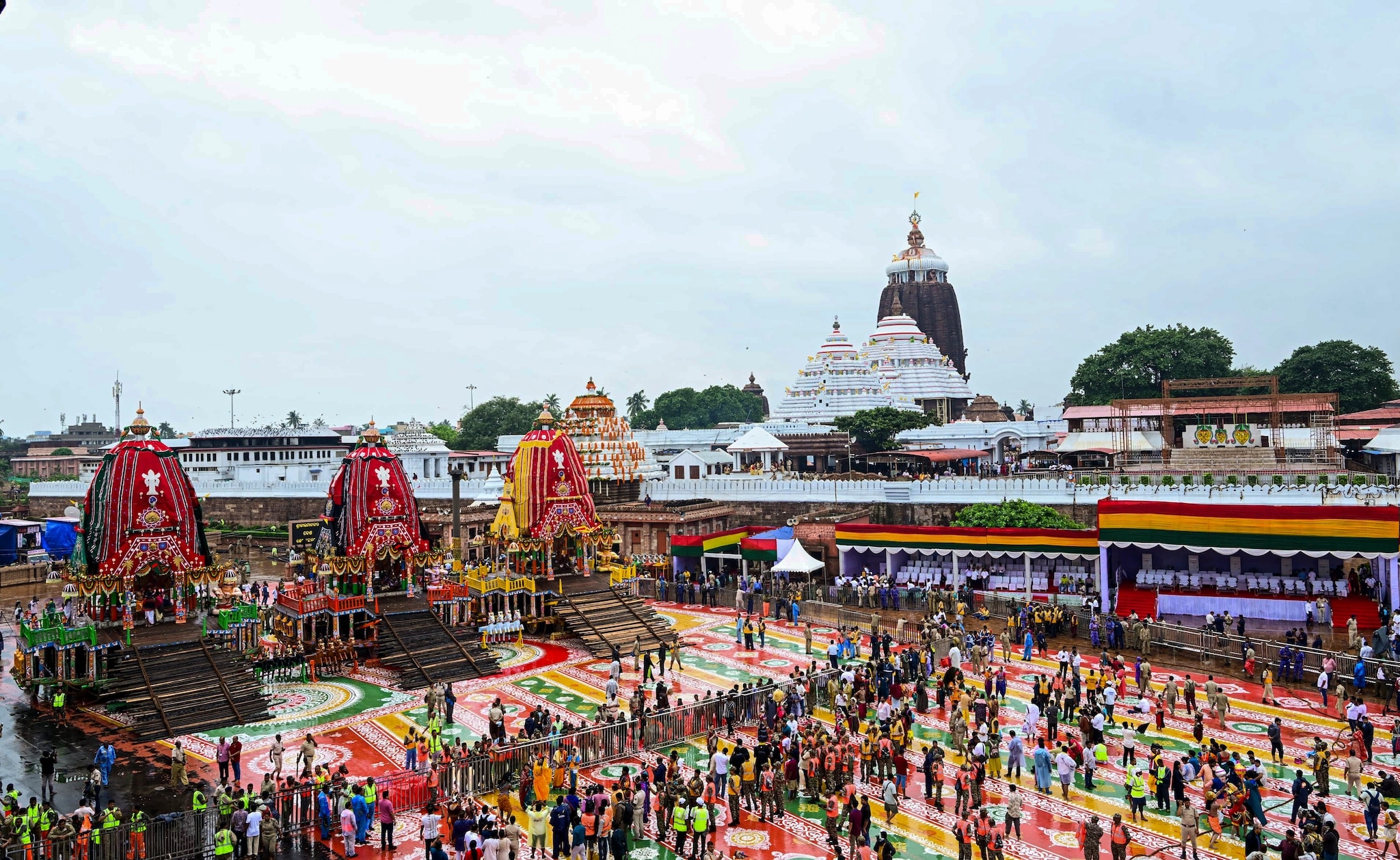
A 57-year-old devotee died after reportedly suffering suffocation during the Bahuda Yatra, the return procession of Lord Jagannath, in Odisha’s Puri on Friday. More than 100 people were also injured or reported health issues as over five lakh devotees gathered for the annual religious event, once again raising concerns over crowd safety at large pilgrimages.
According to health department officials and police, the deceased, identified as Abhiram Das, collapsed while pulling Devi Subhadra’s Darpadalan chariot near Bagala Dharmashala. He was rushed first to a nearby first-aid centre and then to the Puri district headquarters hospital, where doctors declared him dead. A preliminary report noted that he had a history of high blood pressure. His body
is to be handed over to the family after post-mortem.
When thousands of people are packed into a confined space, breathing can become difficult even without smoke or fire.
How Can Suffocation Happen In A Crowd?
In densely packed religious processions like the Jagannath Yatra, “suffocation” is rarely pure oxygen deprivation in an open space. Suffocation in a dense crowd is often linked to compressive asphyxia, a condition in which external pressure on the chest prevents the lungs from expanding properly.
It is typically the result of a cascade of physiological stresses. When hundreds of thousands of people press into a confined corridor such as the Grand Road, individual movement becomes severely restricted. People are jostled, compressed against one another, and often unable to raise their arms or take a full breath.
In humid, warm weather (common in coastal Odisha in July), the body also struggles to dissipate heat. Heart rate and respiratory rate rise; blood pressure can spike, especially in those with pre-existing hypertension. The combination of restricted breathing, rising core temperature, dehydration and physical exertion can quickly lead to collapse.
High blood pressure, as reported in the deceased devotee’s case, amplifies the risk. Sudden surges in crowd density can trigger acute cardiac events or exacerbate respiratory distress. Once a person falls, the weight of surrounding bodies can further impede breathing, turning a medical emergency into a fatal one within minutes if rescue is delayed.
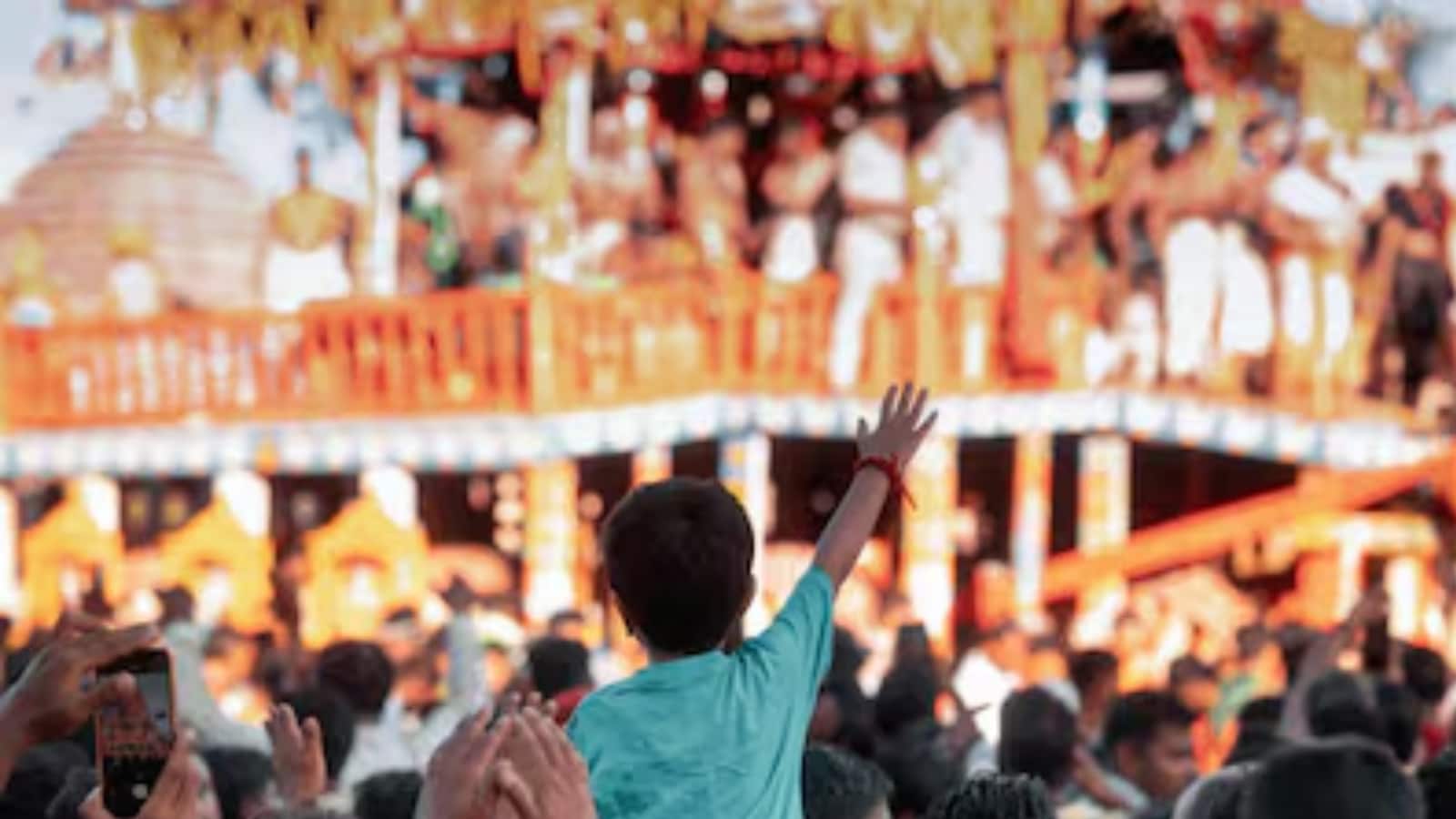
Medical teams on the ground reported many cases of fainting, heat exhaustion and minor trauma—classic signs of crowd-related physiological overload. Authorities have prepared special traffic and crowd-management plans for the forthcoming Suna Besha ritual, expected to draw nearly a million devotees, acknowledging the continuing challenge of balancing devotion with public safety.
What Are The Early Warning Signs Of Crowd-Related Suffocation?
Recognising symptoms early can save lives. Warning signs include:
- Difficulty breathing or gasping for air
- Chest tightness or inability to take a deep breath
- Feeling faint or dizzy
- Panic and confusion
- Bluish lips or fingertips due to lack of oxygen
- Collapse or unresponsiveness
If someone displays these symptoms, they should be moved to an open area immediately and provided emergency medical assistance.
What Should You Do If You Find Yourself In An Overcrowded Crowd?
Safety experts recommend staying calm and avoiding pushing or sudden movements. If the crowd becomes too dense:
- Keep your hands in front of your chest to create breathing space.
- Move diagonally with the flow of the crowd instead of resisting it.
- Avoid carrying heavy bags that may restrict movement.
- Stay away from barriers, walls, or bottlenecks where pressure can build.
- If you feel breathless or unwell, alert nearby volunteers or emergency personnel immediately.
If someone falls, those nearby should alert authorities rather than attempting risky rescues that could worsen the crush.


/images/ppid_a911dc6a-image-178494435535621222.webp)

/images/ppid_59c68470-image-17848800361829386.webp)





/images/ppid_a911dc6a-image-178480646346153184.webp)