
/images/ppid_a911dc6a-image-177066002286370480.webp)
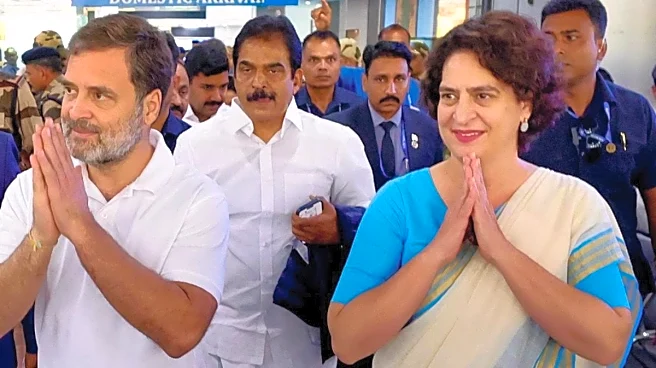
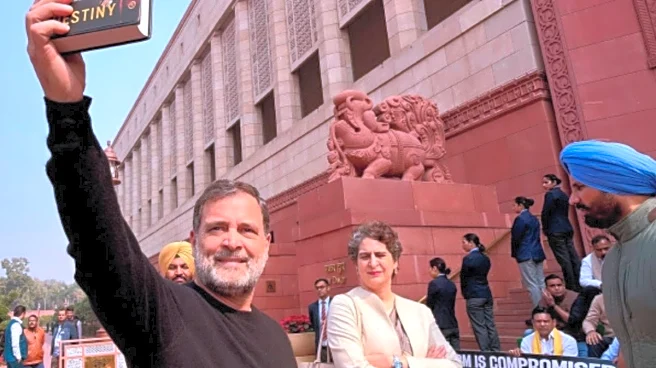
The traditional “Chai pe Charcha” following the conclusion of the Parliament session offered a telling glimpse into the evolving dynamics of the Congress party. While it is standard for the Speaker and the Prime Minister to sit in the front row, the presence of Priyanka Gandhi Vadra—seated in the same row and sipping tea—drew significant attention. Despite being a first-time MP with no formal position in the parliamentary party, she occupied a prominent spot, while senior leaders like Supriya Sule sat behind her. Sources suggest that Priyanka and Prime Minister Narendra Modi even shared a courteous conversation regarding Wayanad, her constituency.
Unlike her brother, Rahul Gandhi, who frequently skips these informal tea meets, Priyanka’s presence—relaxed
and smiling—signals a keen understanding of the importance of public appearances and political optics. This follows her viral exchange on the floor of the House just a day prior, where she charmingly requested an appointment with Nitin Gadkari to discuss a highway in Wayanad. The Union Minister’s prompt invitation for her to visit his office immediately after the session further highlighted her ability to navigate cross-party relationships.
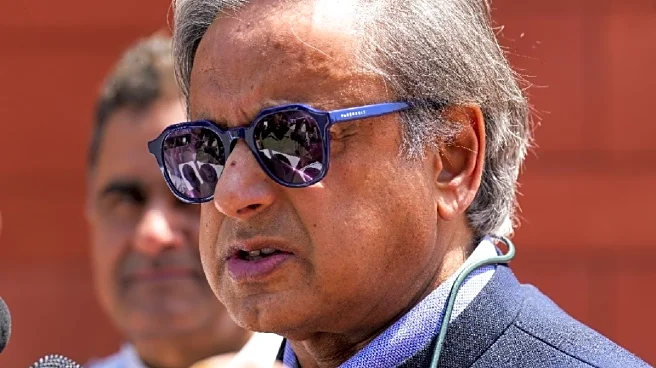
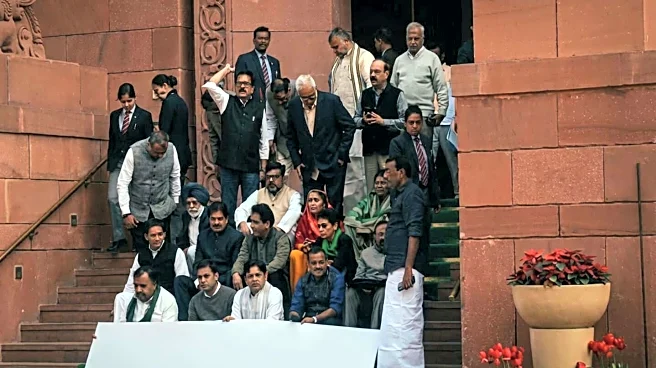
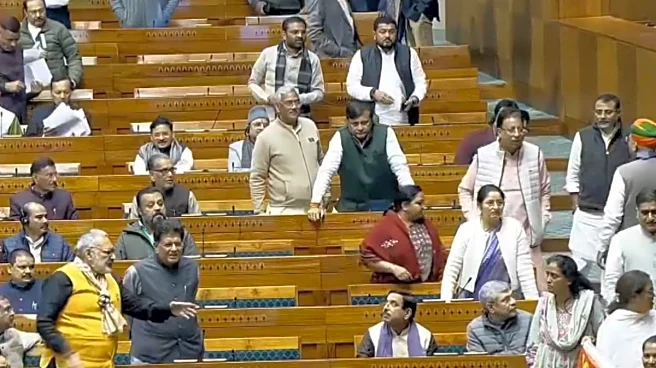
With Rahul Gandhi away, Priyanka has effectively taken the steering wheel in Parliament. Arriving by 9.30 am daily, she has maintained a high media profile to ensure her voice resonates. However, her strategy extends beyond mere presence; she appears to be spearheading an internal “big tent” approach. It was reportedly her initiative to co-opt “rebel” voices like Manish Tewari and Shashi Tharoor, who had previously felt sidelined during debates like “Operation Sindoor”. Priyanka reportedly felt the party was playing into the BJP’s hands by ostracising these seasoned orators. Consequently, Tewari spoke multiple times on key legislations like the SHANTI Bill, and Tharoor’s isolation seemed to end as he spoke on the VB-G RAM G Bill and joined protests at the Makar Dwar over the National Herald issue.
Much like her mother, Sonia Gandhi, Priyanka appears to believe in a more inclusive style of politics, ensuring that internal rifts do not provide the BJP with political ammunition. Inside the Lok Sabha, she hasn’t shied away from direct confrontation, taking on the Prime Minister on sensitive topics like Vande Mataram—an issue many in her party were reluctant to touch—and using a blend of firmness and lighthearted wit to challenge the government.
Within the BJP, there is a growing sense that while Rahul Gandhi is an easy target for ridicule, Priyanka presents a more complex challenge due to her poise and ability to harbour no long-term grudges. Rumours of a renewed connection with strategist Prashant Kishor (PK) have also surfaced; notably, during his Bihar campaign, PK attacked Rahul Gandhi but remained respectful of Priyanka.
As the Winter Session concludes, the emergence of two power centres within the Congress is becoming harder to ignore. Many within the party now feel that while Rahul remains the face of ideological campaigns, the strategic planning and day-to-day management of the party may be better left to Priyanka. Her increased resonance this session may well be a prelude to a larger role in the party’s future.
/images/ppid_a911dc6a-image-177072742938547079.webp)


/images/ppid_59c68470-image-177074263586952695.webp)

/images/ppid_a911dc6a-image-177070144354252242.webp)