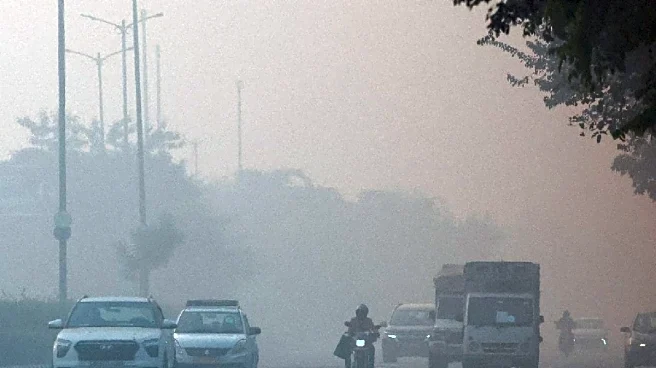

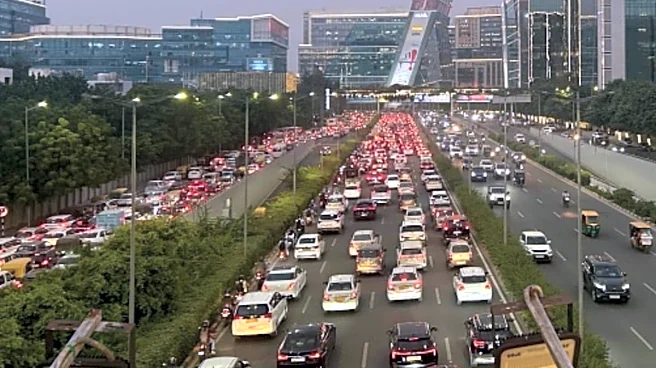


More than 3,700 vehicles were challaned and 568 non-compliant vehicles were turned back within 24 hours of the Delhi government launching its ‘No PUC, No Fuel’ campaign to curb air pollution, Environment Minister Manjinder Singh Sirsa said.
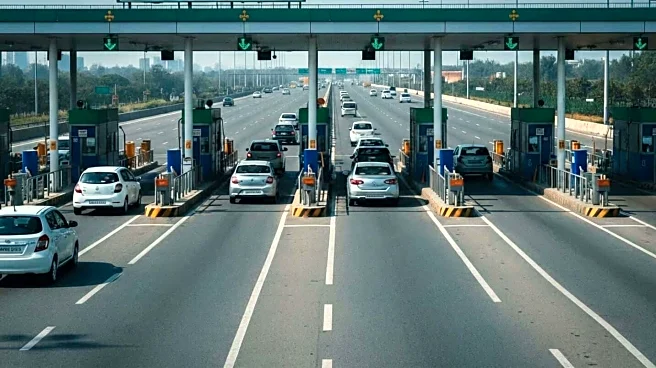
Joint teams of the Delhi Traffic Police and the Transport Department checked around 5,000 vehicles at key entry points into the national capital on the first day of the crackdown. Of these, 3,746 vehicles were challaned for not carrying valid Pollution Under Control Certificates (PUCC), while 568 vehicles were denied entry at border points for being non-compliant or non-destined.
Officials also said 217 non-destined trucks were diverted via the Eastern and Western Peripheral Expressways to prevent unnecessary
entry into the city. The enforcement drive coincided with a sharp rise in demand for PUCCs. Official data showed that 61,912 certificates were issued between December 17 and 18- 29,938 on Wednesday and another 31,974 by Thursday evening- indicating increased compliance following the rollout of the rule.
Manjinder Singh Sirsa said the figures reflected both strict enforcement and growing public cooperation. He added that turning back vehicles at border points had visibly reduced the inflow of outside vehicles and stressed the need for coordination with neighbouring states to tackle pollution effectively.
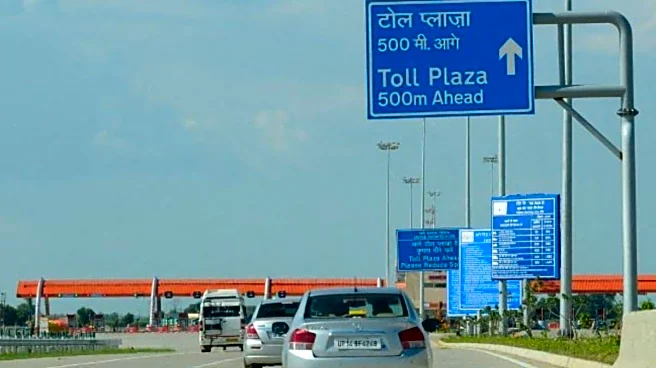
Authorities stepped up checks at Delhi’s borders, toll plazas and petrol pumps to verify BS-VI compliance and valid PUCCs. Smartplate-reader devices were deployed at major intersections to verify documents and issue challans, while checks were conducted manually at some locations due to the absence of cameras. At fuel stations, vehicles without valid certificates were denied fuel, leading to queues as documents were verified.
Manjinder Singh Sirsa said the measures were unavoidable during peak winter pollution and warned that enforcement would continue in the coming days. He also flagged that several private offices were yet to comply with the 50% work-from-home advisory under GRAP-IV, cautioning that non-compliance could invite action.

/images/ppid_a911dc6a-image-177100042462595765.webp)

/images/ppid_59c68470-image-177096003904063080.webp)