


National Panchayati Raj Day 2026:
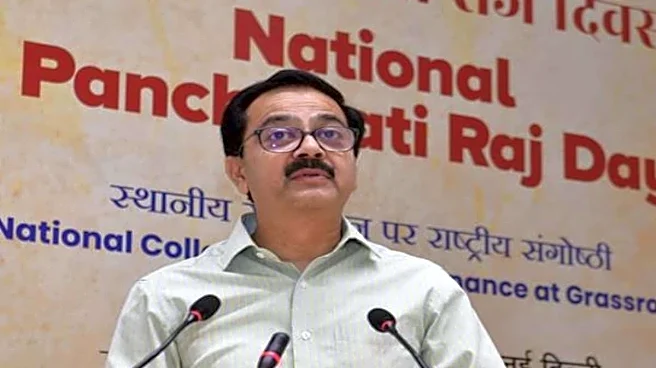
Every year, April 24 marks a key milestone in India’s democratic journey as the nation observes National Panchayati Raj Day. This significant day commemorates the implementation of the 73rd Constitutional Amendment Act of 1992, which came into effect on April 24, 1993. The amendment strengthened India’s local governance by empowering rural communities through a three-tier system of Panchayats.National Panchayati Raj Day 2026 Theme
The theme for National Panchayati Raj Day 2026 is “Sashakt Panchayat, Sarvangeen Vikas” (Empowered Panchayats, Holistic Development).
This theme highlights the vital role Panchayats play in accelerating localised Sustainable Development Goals (SDGs) and enhancing digital governance to drive the nation’s growth.
A key initiative
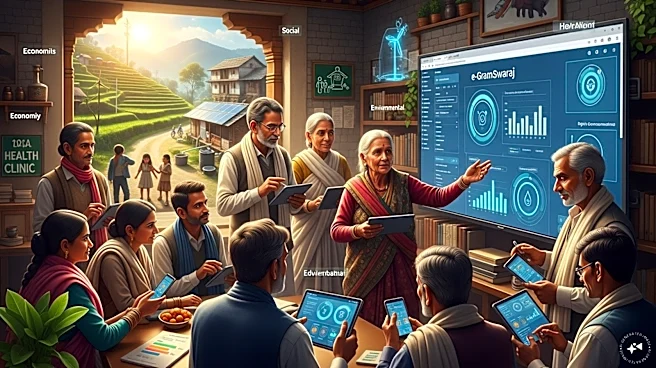
under this theme is e-GramSwaraj, an online platform aimed at improving transparency and efficiency in Panchayat administration.
The theme also emphasizes India’s goal of becoming a “Viksit Bharat” (Developed India) by 2047, aligning with the Prime Minister’s vision of Atmanirbhar Bharat and empowering rural governance as a pillar for achieving holistic national development.
The Roots And Rise Of Panchayati Raj
The term “Panchayat” originates from two words: Panch (meaning five) and Ayat (meaning assembly). Historically, the Panchayat system involved village elders convening to resolve disputes and make communal decisions. The role of Sarpanch or Pradhan was crucial, with elders acting as the decision-makers for the community.
In 1992, India formalized this system with the passage of the 73rd Amendment, bringing it into the constitutional framework and mandating Panchayats at the village, intermediate, and district levels.
The Panchayati Raj System empowers local bodies to manage and implement developmental activities, thereby allowing greater local control over rural growth.
A Strong Foundation for Empowering Rural India
National Panchayati Raj Day is more than a ceremonial observance; it is a celebration of India’s commitment to empowering rural communities. This day emphasizes the importance of grassroots democracy, where decisions are made by elected local representatives who directly serve their constituencies. The occasion is a reminder that true democratic power begins at the village level.
The Union government uses this day to recognize and honour exemplary Panchayats for their outstanding contribution to local governance. These awards serve as an incentive to encourage better governance and inspire others to follow suit.
The Structure and Impact of Panchayati Raj
India’s Panchayati Raj system operates on three levels: Gram Panchayat (village level), Panchayat Samiti (intermediate level), and Zilla Parishad (district level). At each level, elected officials manage local affairs with an emphasis on participatory governance.
- Gram Panchayats: These are the primary units at the village level, composed of five members, including a Sarpanch. They report to the Gram Sabha, which is an assembly of all eligible voters in the village.
- Panchayat Samitis: Covering multiple villages, this intermediate tier oversees larger developmental projects and policies.
- Zilla Parishads: The highest level, encompassing several Panchayat Samitis and coordinating district-wide development initiatives.
The Power of Representation and Inclusivity
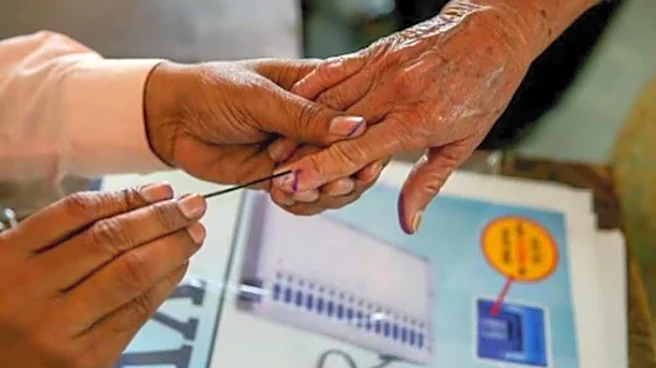
Elections for Panchayats are held every five years, and the system is designed to ensure inclusivity. At least 50% of the seats are reserved for women, as well as for Scheduled Castes (SCs) and Scheduled Tribes (STs), ensuring that marginalized communities have a voice in the democratic process.
India currently has 2.5 lakh Gram Panchayats, around 6,687 Panchayat Samitis, and 666 Zilla Panchayats, reflecting the vast network of local governance structures across the country.
National Panchayati Raj Day: A Symbol of Democratic Strength
Since its establishment in 2010, National Panchayati Raj Day has become an annual event where India celebrates the vital role of local governance in sustaining the nation’s democracy. It also serves as a reminder of the continuous need for strengthening local institutions to achieve more inclusive, sustainable growth for all.