




Maharashtra’s Deputy Chief Minister Eknath Shinde made a significant announcement in the Legislative Assembly on December 12. He stated that a separate regulatory framework will be created to free Mumbai from the long-standing Pagdi system and to ensure proper redevelopment of buildings operating under it. The Deputy Chief Minister also emphasised that this new framework will safeguard the rights of both tenants and landlords.
For a densely populated city like Mumbai, where the Pagdi system has presented legal and social challenges for decades, the decision marks a significant step forward. Many residents are now asking what exactly this system is and why it has been problematic. Here is a detailed explanation.
What Is The Pagdi System?
The Pagdi system is an old rental
arrangement, widely used in Mumbai before the 1940s, and continues to be legally recognised under the Rent Control Act.
- Rent And Rights: Under this system, the tenant pays a substantial pagdi (premium) amount to the landlord, similar to a large advance deposit. In exchange, the tenant receives near-lifelong occupancy rights.
- Controlled Rent: Rents under this system have remained extremely low and unchanged for decades, making them negligible compared with current market prices.
- Share In Ownership: In many cases, tenants who paid pagdi also received a small share in the property’s ownership, though not full legal ownership.
- Resale Rights: Tenants could sell their tenancy rights to another person for a high amount, which was then shared with the landlord. The incoming tenant would pay a fresh pagdi to enter the arrangement.
Why Is A Separate Regulatory Framework Needed?
- Loss To Landlords: Low, controlled rent left landlords with no financial incentive to repair or maintain ageing buildings. In many instances, rent was too minimal even to cover taxes.
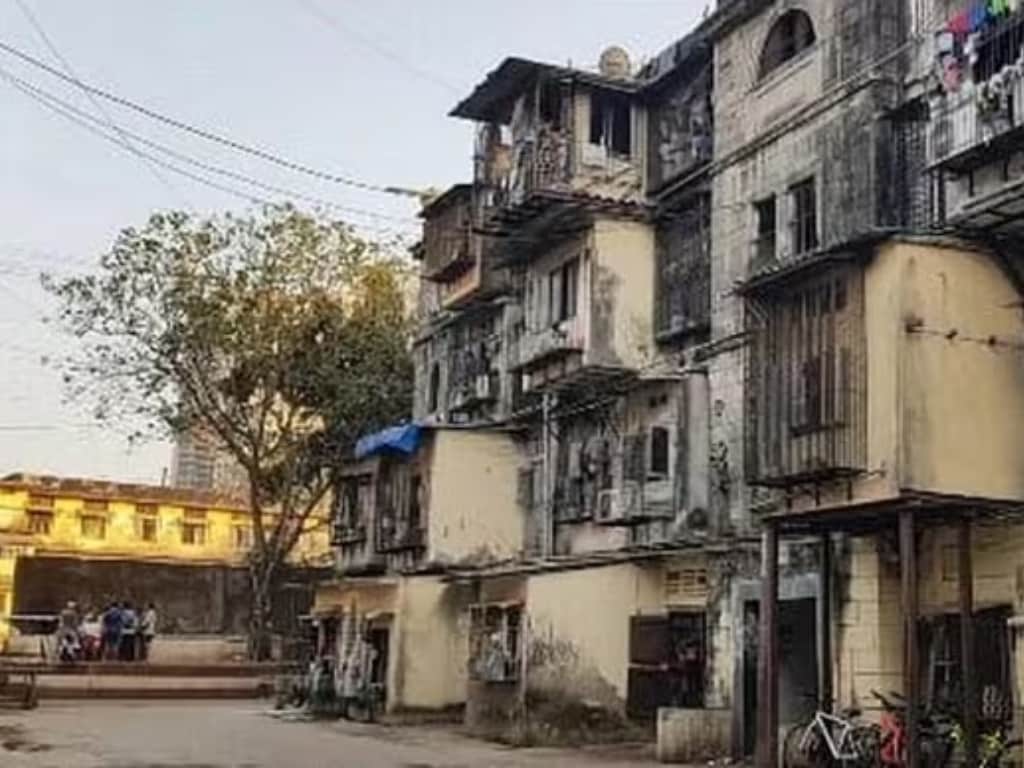
- Stalled Redevelopment: Most Pagdi buildings in Mumbai are old and unsafe. Redevelopment has been delayed for years due to disputes between landlords and tenants. Landlords resisted because of the low rent income, while tenants feared they would not receive fair benefits in a redeveloped property.
- Black Money And Lack Of Transparency: Pagdi transactions often involved large cash payments, contributing to black-money circulation and resulting in revenue loss for the government.
- Uncertain Tenant Rights: Due to complex and outdated laws, tenants were often unsure whether they would retain their space or receive an equivalent flat during redevelopment.
What Will The New Framework Achieve?
- Balance Of Rights: The new mechanism will aim to give tenants a stake or ownership in the redeveloped property, addressing their long-standing fears and encouraging cooperation.
- Boost To Redevelopment: Landlords will be eligible for fair compensation or higher rent, motivating them to support redevelopment projects.
- Legal Clarity: A dedicated regulatory body or clearer legal provisions will help reduce the number of court cases and ensure redevelopment takes place in a timely and transparent manner.
Redeveloping Pagdi-based buildings will stimulate Mumbai’s real estate sector. Millions of old, unsafe homes could be transformed into modern housing, offering partial relief to the city’s chronic housing crisis.