
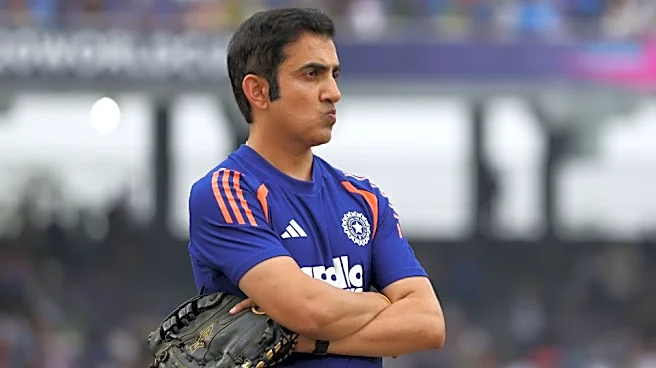

Gautam Gambhir’s preference for Sai Sudharsan over Devdutt Padikkal at number three against Afghanistan raised quite a few eyebrows. Both are left-handed batters, but their red-ball numbers told different stories.
Sudharsan’s spot in the Test side was under scrutiny. In his first six Tests, he had managed just 302 runs at an average of 27.45, with only two half-centuries. His technique was never a problem, but his consistency raised questions about his Test temperament.
Adding to the pressure, Padikkal was emerging as a strong contender for the number three spot. The Karnataka lad was in scorching form, following up a brilliant Ranji Trophy season (543 runs in six matches) with a promising IPL 2026 campaign.
However, ahead of the match, when India’s
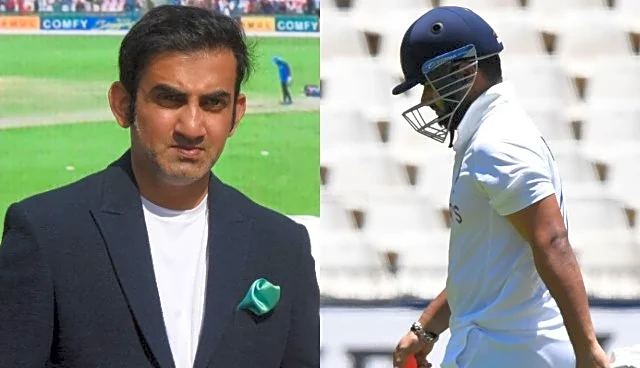
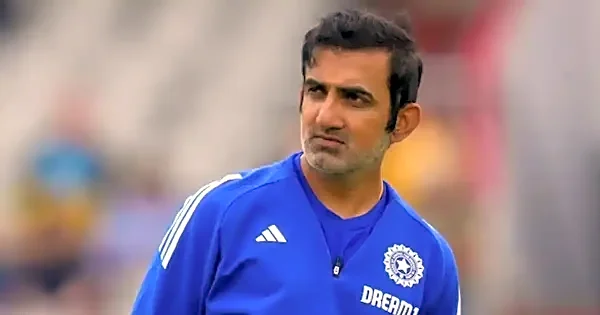
head coach Gautam Gambhir was asked if he was tempted to play the in-form Padikkal at number three, he dismissed the idea. Gambhir emphasised that Sudharsan hadn’t received enough opportunities yet and that the team management wanted to give him a fair run.
This made it clear that the management had full faith in Sudharsan and was ready to back him long-term. On the opening day of the Test against Afghanistan, Sudharsan repaid that faith.
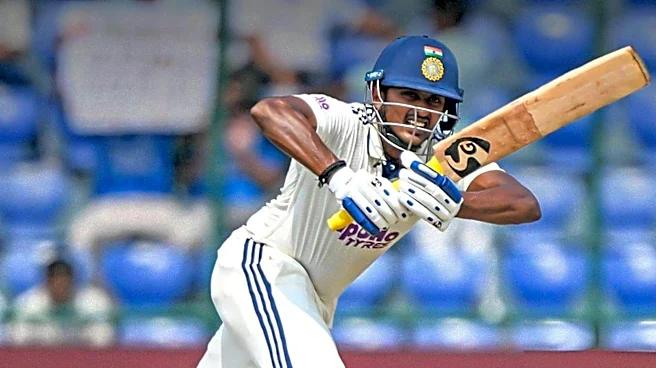
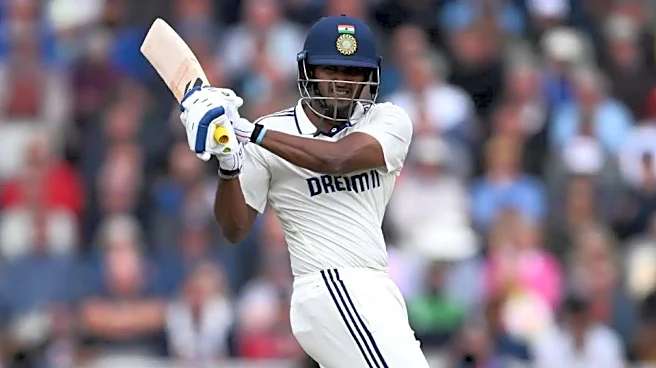
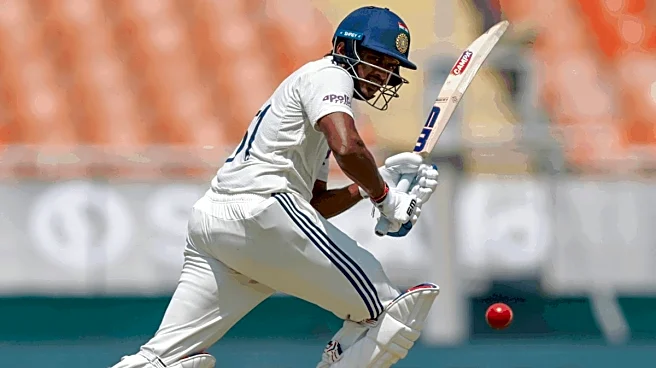
On a batter-friendly surface, he played a confident knock of 81, laced with 13 boundaries, helping India reach a commanding 368 for three.
“I mean, it gives so much freedom. It gives so much certainty mentally that when the coach, the team, and the captain support you, back you, and want you to do well for the country. They want you to do well for the team and win games. It is such an honour at the first place,” Sudharsan said after the first day’s play.
“Obviously, it gives a lot of freedom for you to express yourself and do what you can do at your best, rather than thinking about ‘will I play the next game or not?’ That thought never arises because you’ve got great freedom from the team. I think it’s a pleasure,” he added.
The innings wasn’t flawless. He was dropped twice on 20 and 59, once behind the stumps and once in the slips. However, his batting exuded confidence despite those blips. He unleashed a few gorgeous flicks, while his sweeps against the Afghan spinners were something that has been noticeably missing from Indian batters’ arsenals lately.
Overcoming the Leg-Side Trap
Sudharsan’s Test debut during the English summer last year was a tough initiation. He managed just 140 runs in six innings across three matches at an average of 23, with a lone half-century. During the tour, he was repeatedly troubled by deliveries on the leg side, falling into leg-side traps three out of six times.
On Saturday, when Sudharsan walked out to bat, the Afghan pacers tried to exploit this known weakness. They bowled into his pads and set an aggressive leg-side field, including a leg slip and a short leg.
But this time, Sudharsan was well-prepared, tucking and flicking those deliveries with ease.
“When it first happened in England, it was new to me,” said Sudharsan. “After that, I worked on it and developed a better understanding of how to handle it, which helped today. I wasn’t focused on the field setup. I was watching the ball and trying to play it as well as possible.”
“In Chennai, I practised at a place called CB (Coaching Beyond). That’s where I always trained, and I worked on it there. From what I understood, I played a lot of balls and explored what I can do, what options I can take. That was more tactical rather than something technical,” he added.
Partners in Control
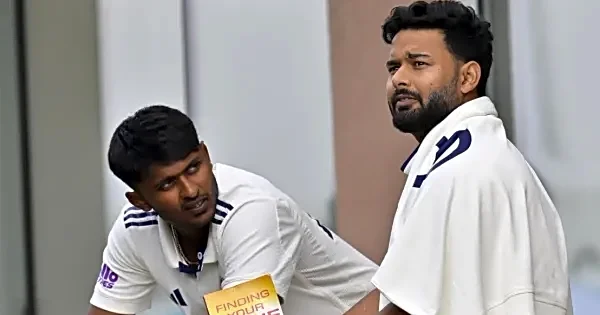
Sudharsan stitched together a crucial 139-run partnership off 185 balls with centurion KL Rahul. When Sudharsan walked in during the 13th over, Rahul had already faced 40 balls and assessed the conditions well. Interestingly, Sudharsan played the role of the aggressor in this partnership, contributing 81 runs compared to Rahul’s 56.
“The conversation was more about understanding what was happening, how the wicket was behaving, and who was bowling what. With KL bhai, he gives so much composure. When I bat with him, he gives so much certainty. It helps as a batter, and he sees the game very well, so he gives a lot of useful cues which we would use in the game,” he said.
“I think the biggest conversation was around how well we can play spin, understand the conditions, and score runs rather than just looking to play time. Personally, mentally it was more about believing and trusting my abilities and what I can do as a batsman.
“And tactically, we had a lot of conversations around what we can do to disturb the bowler, what options we can take so that we keep the scoreboard ticking, where the pressure is always there, rather than just soaking up and playing time,” Sudharsan added.