


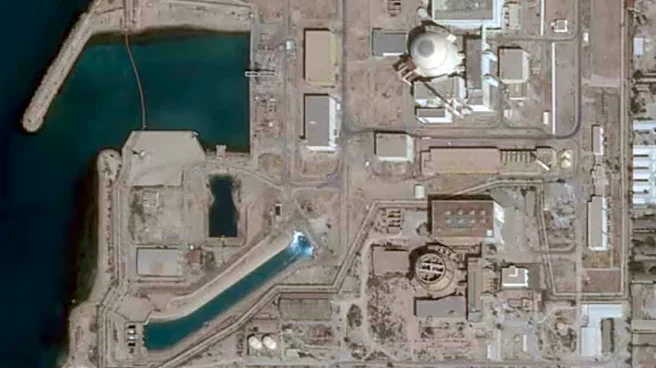
The ongoing Iran-US-Israel conflict is beginning to cast a long and troubling shadow far beyond its immediate geography, with its impact now being felt in the everyday lives of people in Bengaluru. A severe shortage of commercial LPG cylinder
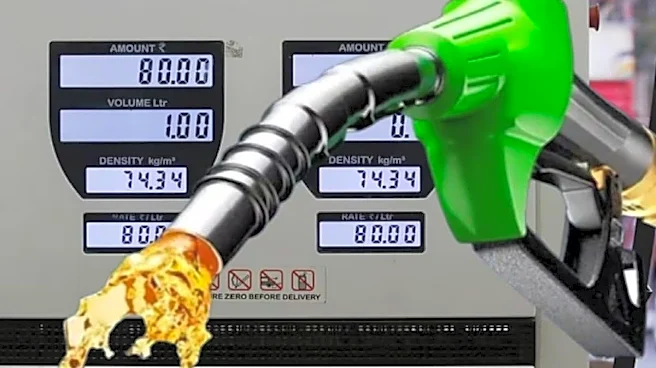
has disrupted routine economic activity, triggering a chain reaction that has hit transporters, eateries, paying guest accommodations, and ultimately, the city’s vegetable markets.Across Bengaluru, many fuel stations have reported running out of commercial gas, leaving auto-rickshaw drivers unable to refuel and continue operations. At the same time, hotels and PG accommodations, heavily reliant on LPG for cooking, have been forced to scale down or halt food preparation altogether. With kitchens going cold,
demand for vegetables has plummeted sharply.
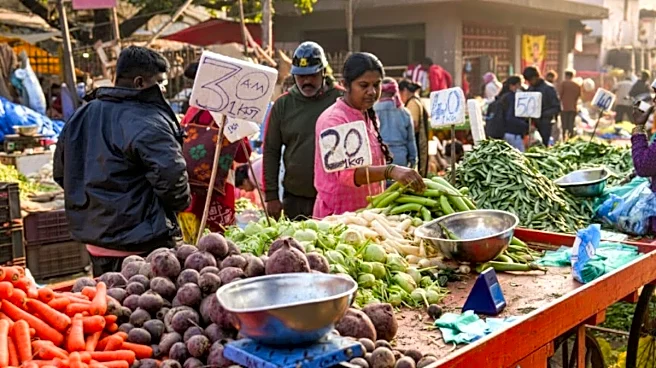
Nowhere is this more visible than in KR Market, one of the city’s largest wholesale vegetable hubs, where traders report a dramatic fall in business. Vendors say footfall has reduced drastically, with sales dropping by nearly 70% compared to the same period last year.
“Last year, business was brisk during this season. This time, hotels have stopped purchasing vegetables due to the gas shortage, and demand has collapsed,” a trader at the market said.
The sudden demand slump has led to a steep fall in vegetable prices. Onions are currently selling at Rs 20 per kg, down from Rs 25 last month and Rs 40 last year. Potatoes have dropped to Rs 15 per kg from Rs 20-25 last month and Rs 24 last year. Garlic, which was priced at Rs 250 per kg last year, is now selling at Rs 120, despite being Rs 90 just last month. Other vegetables have also seen similar declines; green chillies are priced at Rs 70 per kg, ginger at Rs 50, carrots at Rs 20, brinjal at Rs 30, and okra at Rs 30, all significantly lower than recent months.
Traders attribute part of the price crash to disruptions in export markets. Onions, potatoes, and tomatoes that were earlier shipped to Gulf countries are now being diverted to local markets, increasing supply and further depressing prices.
For farmers, the situation is turning dire. Despite healthy production, many are unable to sell their produce at remunerative rates, leading to mounting losses. “We are growing vegetables, but there are no buyers. Prices are too low, and we are left with no returns,” a farmer said, expressing distress over the situation.
The crisis has exposed the fragile interdependence of supply chains. With LPG shortages halting cooking activities, demand for agricultural produce has shrunk, affecting everyone from farmers to wholesale traders. Auto drivers, too, are bearing the brunt, as fuel shortages restrict their ability to earn a livelihood.
As the global conflict continues to disrupt fuel supply chains, its cascading effects are becoming increasingly evident in urban centres like Bengaluru. Stakeholders across sectors are now urging the government to step in with immediate measures to stabilise fuel availability and support farmers and traders facing mounting losses.
/images/ppid_59c68470-image-177544505096960118.webp)

/images/ppid_a911dc6a-image-177531642436143142.webp)

/images/ppid_59c68470-image-177522506953159568.webp)


/images/ppid_59c68470-image-177522756928192486.webp)