/images/ppid_59c68470-image-178903002439229300.webp)


Banking operations across India face severe disruptions on Friday, as the United Forum of Bank Unions (UFBU) proceeds with a 24-hour nationwide strike. Falling immediately before the second Saturday, Sunday, and regional holidays for Ganesh Chaturthi, the strike effectively triggers a four-day physical banking outage across vast parts of the country.
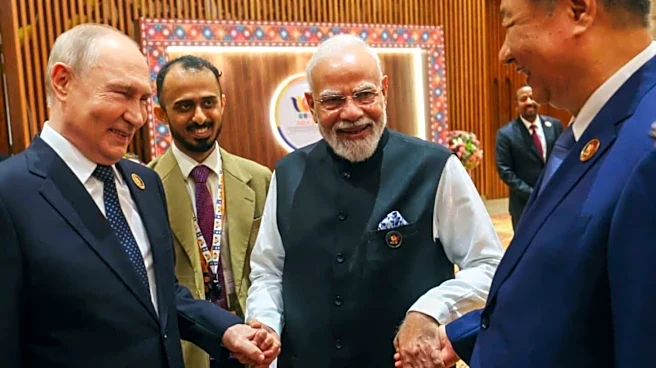
The escalation coincides directly with the arrival of global leaders in New Delhi for the 18th BRICS Leaders’ Summit at Bharat Mandapam. Despite direct government appeals to defer the action in light of the high-profile summit, union leaders stood firm, demanding immediate notification of a long-pending five-day work week.
Public vs Private: The Structural Vulnerability
The impact of the strike highlights a glaring operational divide across India’s
financial landscape.
- Public Sector Banks (PSBs): Lenders like State Bank of India (SBI) and Punjab National Bank (PNB) face near-total operational paralysis. With robust union membership across clerical and officer cadres, counter services, physical cash deposits, institutional trade clearances, and cheque truncation systems at PSBs are severely crippled.
- Private Sector Lenders: Foreign institutions and major private banks like HDFC Bank, ICICI Bank, and Axis Bank remain largely operational. Their non-unionised workforces ensure branches stay open, though clearing-house delays at public banks will slow down interbank transactions and physical instrument settlements.
- Digital Infrastructure: While physical branches suffer, digital channels—including UPI, IMPS, and net banking—continue to operate normally, insulating retail digital payments from the physical stoppage.
Why Banks Still Lack a 5-Day Work Week
The primary catalyst behind the strike stems from a two-year regulatory deadlock over working hours.
In March 2024, the Indian Banks’ Association (IBA) signed the 12th Bipartite Settlement, formally agreeing to declare all Saturdays as official banking holidays. To offset the lost operational day, bank unions agreed to extend daily working hours by 40 minutes from Monday to Friday. However, despite IBA recommendations, the Union Ministry of Finance has yet to issue the final administrative notification, leaving bank employees on a mandatory alternate-Saturday schedule while peers in the Reserve Bank of India (RBI), IT sector, and international markets enjoy five-day weeks.
Do Employees Get Paid on Strike Days?
Under standard service regulations and Indian labour law, the principle of “No Work, No Pay” applies strictly.
Participating bank employees face a mandatory pro-rata deduction of one day’s basic pay and allowances from their monthly salary. Strike days cannot be adjusted against accrued casual or privilege leave. Despite the direct financial penalty, union members view the sacrifice as necessary leverage to secure structural reforms, work-life balance, and equitable performance-linked incentive (PLI) structures.
BRICS Summit and the Bank Strike: Coincidence or Convergence?
While union leaders maintain that the September 11 date was set independently following the breakdown of conciliation talks, the overlap with the BRICS Summit represents a strategic convergence of maximum leverage.
With international delegations arriving and global attention fixed on New Delhi, the UFBU’s refusal to back down highlights the growing friction between India’s macro-economic ambitions and internal public sector workforce demands. By rejecting deferral requests, the unions have ensured their domestic grievances command national focus alongside the high-table multilateral diplomacy unfolding at Bharat Mandapam.


/images/ppid_59c68470-image-178914508485737252.webp)