

/images/ppid_59c68470-image-177565753563236458.webp)
/images/ppid_59c68470-image-1775672532628398.webp)
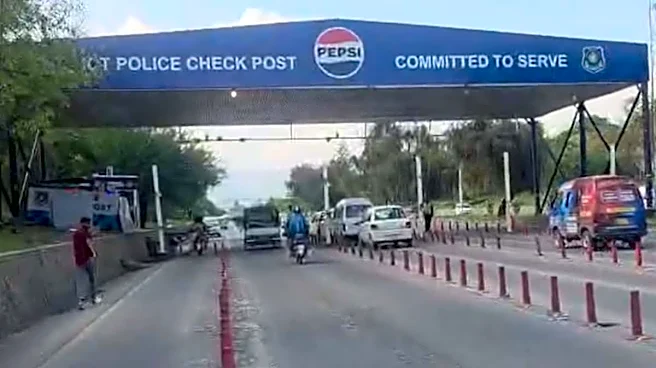
As Islamabad prepares to host one of the most consequential diplomatic engagements in recent years, Pakistan has moved into high-alert mode, tightening security and accelerating logistical arrangements for the upcoming US–Iran talks. At the centre of these preparations is Federal Interior Minister Mohsin Naqvi, who chaired a high-powered meeting to review security, coordination, and hospitality plans for the visiting delegations.
According to officials, the meeting undertook a detailed assessment of all arrangements, with a particular focus on securing the capital’s most sensitive zones. The “Red Zone” — Islamabad’s heavily guarded diplomatic and administrative enclave — will be completely sealed during the US-Iran talks, with entry restricted
strictly to authorised personnel. Naqvi directed authorities to leave no gaps in security, stressing that the safety of foreign delegates remains the government’s top priority.
The minister also emphasised Pakistan’s responsibility as host, calling the convening of the talks an “honour” for the country. Instructions were issued to ensure seamless hospitality arrangements alongside robust security, reflecting Islamabad’s attempt to project itself as a reliable diplomatic intermediary in a volatile geopolitical moment.
These preparations come as global attention shifts to Islamabad, where senior representatives from Washington and Tehran are expected to meet following a fragile, Pakistan-mediated ceasefire. The truce, agreed upon after weeks of intense conflict involving the US, Iran, and Israel, remains tenuous, with disagreements already emerging over its scope and implementation.
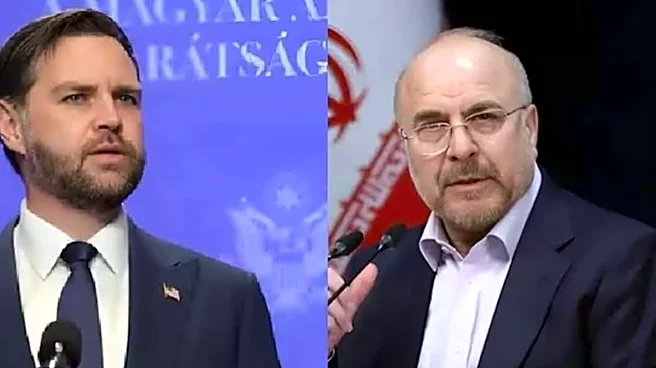
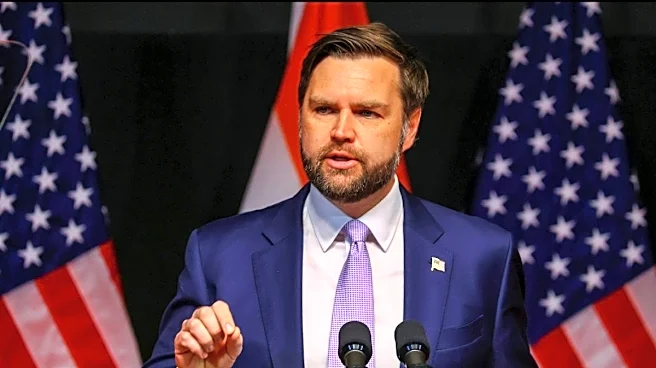
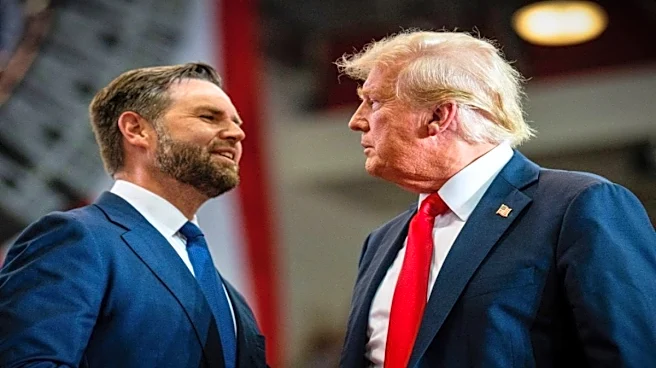
The talks themselves are being seen as a critical opportunity to stabilise the situation. Reports indicate that a high-level US delegation led by Vice President JD Vance is likely to participate, while Iran is sending senior officials with a defined negotiation framework. Tehran has reportedly based its position on a 10-point proposal that includes demands around sanctions relief, control over the Strait of Hormuz, and recognition of its nuclear rights.
However, the path to any breakthrough remains complex. Deep mistrust persists between the two sides, compounded by ongoing regional tensions — particularly Israeli military actions in Lebanon, which Iran insists must be addressed as part of any broader agreement.
With the city under lockdown-like security and the world watching closely, the Islamabad talks represent both a diplomatic gamble and a potential turning point. Whether they lead to a durable peace framework or merely extend a fragile pause in hostilities will depend on how far both sides are willing to compromise.
/images/ppid_59c68470-image-177574760457254768.webp)