
/images/ppid_a911dc6a-image-177562002756840948.webp)
/images/ppid_a911dc6a-image-177564109343848308.webp)
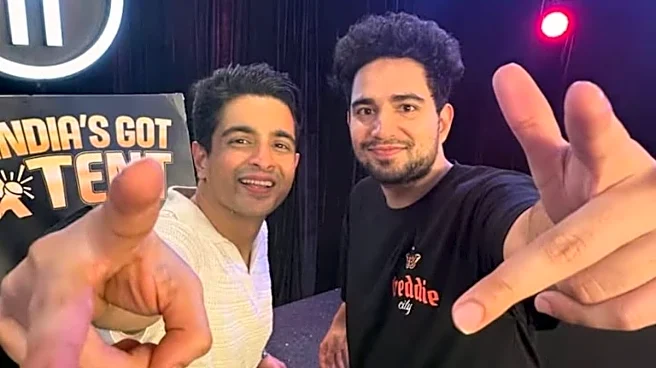
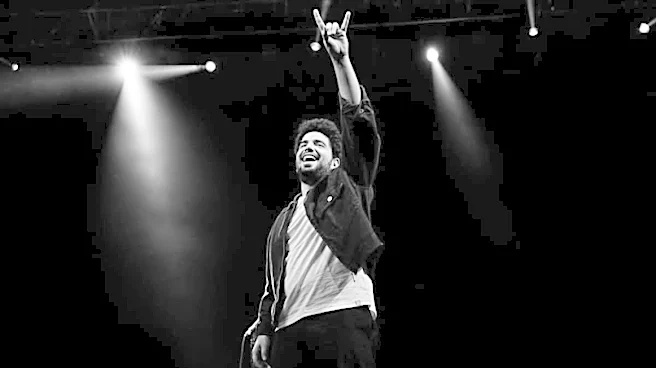
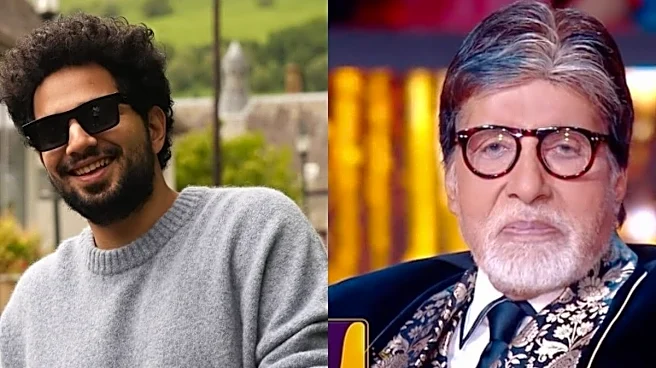
Who could have thought that Samay Raina could tear you up as much as he could make you laugh? On April 8, when I saw Samay Raina trending online, the first thought i had was – he might be taking a career break, considering the intense backlash and the toll it might have taken on his health and mental health. But this wasn’t a pause – it was a storming return after a major controversy, involving an episode, where he says he hardly spoke. The stand-up comedy special’s clip went viral across the social media platforms – raw, relatable, and unapologetic.
The comedian opened up about anxiety, vulnerability, and emotions – all while staying refreshingly practical, without any over-the-top motivational speeches or generic ‘five steps to overcome setbacks’
advice. The show felt genuine, engaging, and definitely worth listening to. But if that’s the metric, then most content is Gen Z-coded, which clearly isn’t. Samay Raina’s YouTube Special feels different.
Unless you are living under a rock, you will know Gen Z is seen as a generation known for keeping it real – having honest conversation, setting firm boundaries, and choosing personal growth over chasing perfection. They are not afraid to call out harmful behaviour. Beyond being an employer’s headache, they embrace walking away from anything that feels toxic and also redefines family dynamics. Raina’s show captures this spirit almost perfectly – reflecting nearly every one of these traits in a way that feels authentic, relatable, and refreshingly unfiltered.
The comedian narrates the roller coaster ride during the months of controversy – not in vague strokes, but with a vivid, real-time account. He speaks with striking clarity and authenticity, all while weaving in his signature humour. From hotel rooms to booking cabs, he revisits the smallest details – how he felt, what he endured, who stood by him, and who didn’t – calling out their names. As unapologetic as he could be.
Speaking about the episode, Samay Raina doesn’t appear to defend, rather takes a clear, unwavering stand for his guests/ panellists. About BeerBiceps comment, he acknowledges that something inappropriate was said, but argues that the scale of the backlash was far out of proportion. He reflects on how every comedian, influencer, or public figure has, at some point, said something that has hurt people – and they do face consequences for it. “It is not that they are let go, they do pay a fair price.” He adds that they lose an audience forever – that is the fair punishment. In BeerBiceps case, he suggests that a fair punishment would have been viewers choosing to stop watching his podcast – but what unfolded went far beyond what was reasonable. Alongside this, he also owned up to his own mistake. He revisited the 2022 controversy around his abortion remark, reflecting on what was going through his mind at that time. With disarming honesty, he admits he was wrong. “I am sorry, I thought I was being cool.”
When it comes to Apoorva Mukhija, he chooses clarity over convenience — standing firmly by what he believes is the truth, regardless of public opinion. He says that even if he were given a chance to re-edit that moment, he wouldn’t change a thing. For him, it wasn’t just about a rapper and Apoorva—it represented something much larger. It was about challenging a deeply rooted patriarchal mindset, about a woman standing up for herself and coming out stronger. With striking honesty, he also points out how controversies and societal remarks often reduce complex situations to surface-level outrage, making people miss the deeper layers and the larger context altogether.
He then turns his attention to the families – people who were never in the spotlight but were deeply affected. He recounts how Balraj Ghai’s 70-year-old parents were forced to their knees, pleading with young police officers to let them go. He speaks about Ranveer Allahabadia’s mother’s clinic being attacked, highlighting the extent to which the situation spiralled beyond those directly involved. He doesn’t hold back in calling out the cruelty of the system – but at the same time, he makes it a point to give credit where it’s due. As he narrates the incidents, he acknowledges the cooperation he received from Mumbai Police. He presents a balanced view – recognising both the flaws and fairness within the system.
He stood up for himself too. He openly admits that he experiences anxiety attacks and moments of emotional breakdown. He doesn’t hide it—in fact, he shows it. He speaks about crying intensely and fully owning his emotions without shame. He reflects on how much he has changed over time: from being someone who would hide school bullying from his mother, to eventually facing her and saying that he is not okay, that he is crying, that he is low.
He also gently challenges traditional ideas of masculinity. Recalling a moment during the controversy, when he and his mother were on a video call. He mentions how his father was sending memes in the background. Later, he calls his father too—initially worried that something might be wrong emotionally as well. Through it all, he highlights how men are often conditioned to mask vulnerability behind humour, and how unlearning that silence is part of his own journey.
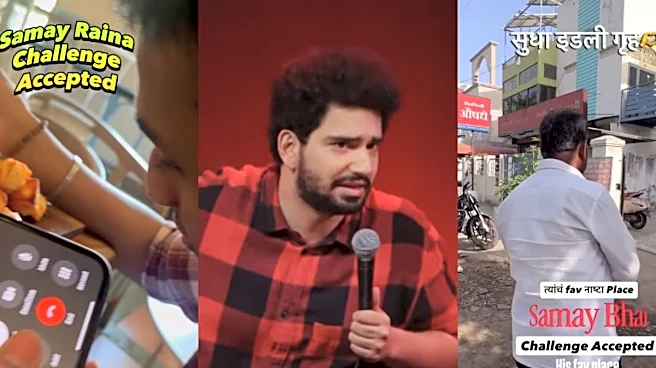
There’s also a heartfelt gift for his audience. If you have been on Instagram lately, you might have come across Samay Raina’s Challenge Accepted reels. He tries to heal father-son relationship across the country in his own way. He encourages his audience to pick up the phone, call their fathers, and say ‘I love you’ – and, in turn, hear it back from them. It is a simple gesture that challenges traditional bond, turning it deeply personal and healing.
He also leaves the audience with a thoughtful piece of advice — one that redefines what productivity means, especially in a way that resonates with Gen Z. He says that ticking off three tasks isn’t what truly makes someone productive. Instead, real productivity can look like having the privilege to spend quality time with family and being present in those moments. His second piece of advice is about emotional balance at work. He urges people to detach when needed and approach their work with a clear mind rather than getting carried away by emotions—working with logic and perspective, not just the heart.
Samay Raina also shares a piece of Kashmiri Pandit wisdom, noting that you don’t choose to fight battles where the terms are unfair. Instead, you learn to let go. Through this reflection, he reinforces the idea of walking away from toxic situations rather than getting trapped in them.
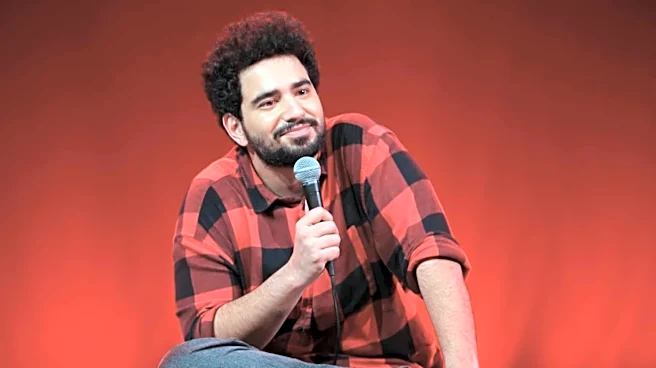
The show isn’t just about recounting the controversy – it is about opening up unapologetically, honestly, and authentically. It turns into a layered reflection on accountability, relationships, mental health, and emotional honesty. What stays with the audience is not just what happened, but how it is felt – and how openly it is spoken about.

/images/ppid_59c68470-image-177582502541087918.webp)

/images/ppid_a911dc6a-image-177580632843875710.webp)

/images/ppid_59c68470-image-177582252955181730.webp)
/images/ppid_a911dc6a-image-177558502860658266.webp)
/images/ppid_a911dc6a-image-177559552642356529.webp)