
/images/ppid_a911dc6a-image-177074813127457865.webp)
/images/ppid_a911dc6a-image-177074805788931893.webp)
/images/ppid_a911dc6a-image-177074817751365859.webp)
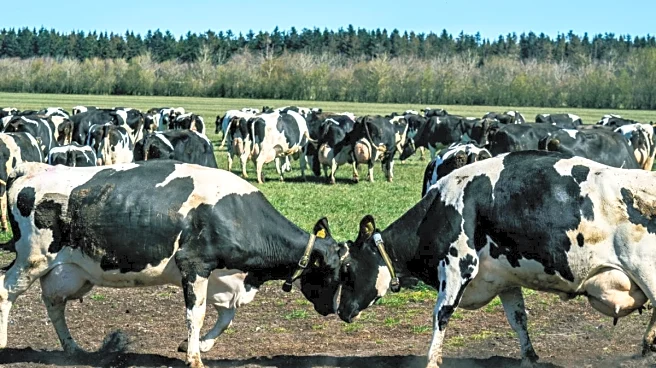
A Madhya Pradesh government-funded research initiative, which aimed to develop cancer treatments using traditional cow-based preparations, has become embroiled in a major controversy following allegations of financial irregularities. The project, based at the Nanaji Deshmukh Veterinary Science University in Jabalpur, is currently being scrutinised by district authorities for spending nearly Rs 2 crore on basic materials such as cow dung and urine—costs that investigators claim are “substantially inflated” compared to prevailing market rates.
The “Panchagavya” project was launched in 2011 with an initial government sanction of Rs 3.5 crore. Its primary objective was to scientifically validate the medicinal properties of a traditional mixture comprising
cow dung, urine, milk, curd, and ghee, specifically for treating chronic illnesses like cancer. However, a recent investigation headed by Additional Collector Raghuvar Maravi found that between 2011 and 2018, approximately Rs 1.92 crore was spent on basic cow products and storage vessels. According to the inquiry report, these items should have cost no more than Rs 15–20 lakh, suggesting a massive overvaluation of raw materials.
Beyond the cost of bovine products, the inquiry flagged several “non-essential” expenditures that were not included in the original sanctioned estimate. These include the purchase of a luxury vehicle worth Rs 7.5 lakh, alongside further spending of Rs 7.5 lakh on fuel and maintenance. Investigators also questioned roughly Rs 15 lakh spent on furniture and electronic equipment, as well as several air trips taken by university officials to cities such as Goa and Bengaluru, which the report suggests had unclear relevance to the research goals. Furthermore, the probe noted a critical lack of documentation regarding the outcomes of the research, with no significant breakthrough in cancer treatment recorded over the 14-year period.
The university has firmly rejected the allegations, maintaining that all procurements followed established government tender processes and transparency rules. Registrar Dr SS Tomar stated that the project has undergone regular audits and that all documentation has been provided to the investigation committee. While the university insists it continues to provide training to farmers and youth, the divisional commissioner is expected to review the investigation’s final report this month to decide whether to initiate formal criminal proceedings. The case has reignited a broader national debate regarding the scientific accountability of state-funded research into traditional “cow science”.



/images/ppid_a911dc6a-image-177075157301840277.webp)


/images/ppid_59c68470-image-177075003745079834.webp)

/images/ppid_59c68470-image-177075003659953644.webp)