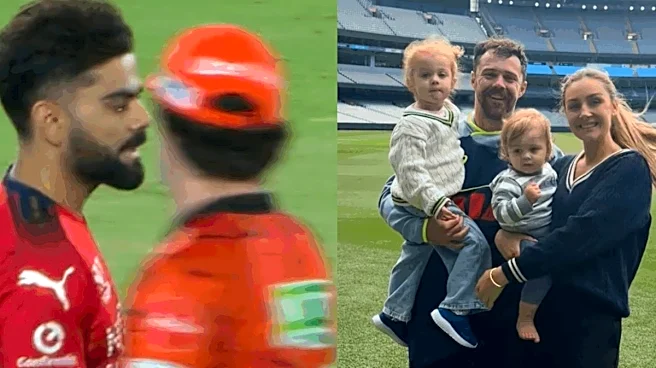

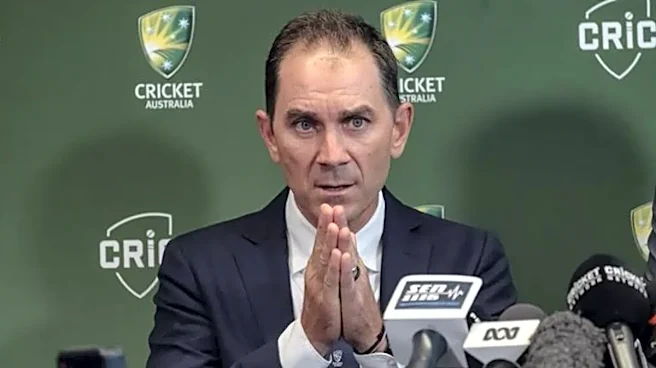

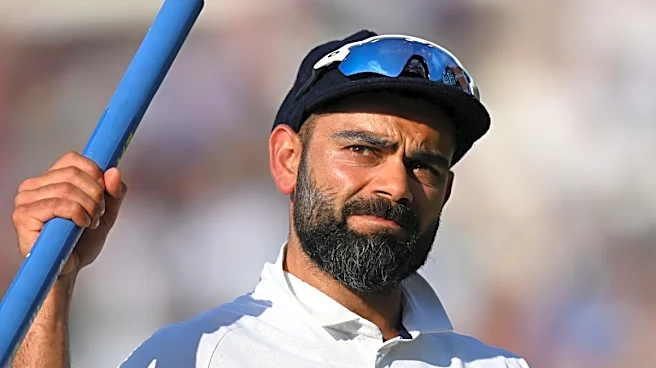
Travis Head has denied reports of a rift with Virat Kohli following their controversial IPL 2026 handshake incident, insisting that there is ‘nothing to patch over’ between the two cricketers. He also praised his wife, Jessica Davies, for handling the wave of social media abuse that again came their family’s way
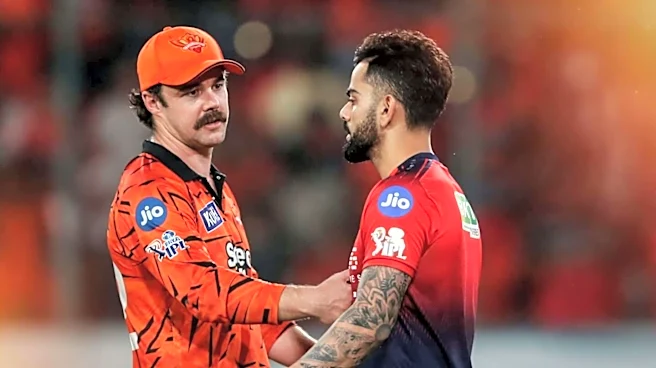
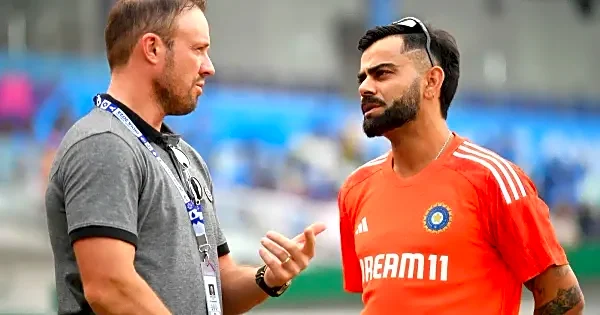
from Indian fans because of the menial on-field incident, saying it was just ‘the world we live in’.Kohli and Head had a bit of argy-bargy during Sunrisers Hyderabad’s match against Royal Challengers Bengaluru. After RCB lost, but did enough to secure a top-two spot in the group stage, Kohli was seen ignoring Head during the customary post-match handshake.
“I don’t think there’s anything to patch over. That’s just that’s what it is… No
surprises with how the competition went or what went on. So as expected,” Head told Code Sports.
It would have been passed on as just another cricketing incident had it not been for the problematic and vile abuse directed at Davies and her family on social media. Head admitted that the online backlash had been difficult, particularly because it affected members of his family who were not accustomed to such attention.
“I think Jessica and I have a great perspective on things. That’s the world we live in, and I think she’s amazing in how she handles that kind of stuff. It was more the family stuff was built around it, flowing on to other family members who don’t particularly see that sort of stuff,” he said.
But the Australian cricketer also praised his wife for the way she dealt with all of it.
“Everyone forgets about it in a few days’ time. She handled it extremely well. It’s probably about handling it with others and what other people’s perspective of what things are like,” he added.
Why are Indian fans so abusive on social media?
A New Indian Express report in 2023 found that fans feel empowered by the anonymity and the lack of consequences associated with such abuse. Psychologists told the newspaper that some fans are too deeply emotionally invested in their teams, to a point where they identify their own happiness and identity with the result. When their team loses, feelings of powerlessness, sadness, and collective grief can overwhelm logic, leading them to blame players or opponents as a way of regaining control.




![[WATCH] ‘I want England to win’ - Alastair Cook reignites Jacob Bethell IPL debate after England batter's injury setback](https://glance-mob.glance-cdn.com/public/cardpress/binge-magazine-card-generation/spaces/IN/en/crictracker-spaces/images/ppid_49c02804-image-178470502771630297.webp)