
/images/ppid_59c68470-image-177098505979420979.webp)
/images/ppid_59c68470-image-177098502740495798.webp)
/images/ppid_59c68470-image-177098503681822035.webp)
India’s health challenges today rarely arrive loudly. They build quietly – through polluted air, long hours of sitting, chronic stress, disrupted sleep and diets that look full but fall short nutritionally. By the time symptoms surface, the damage is often well underway. In this landscape, the most powerful health interventions are often simple, consistent and food-led.
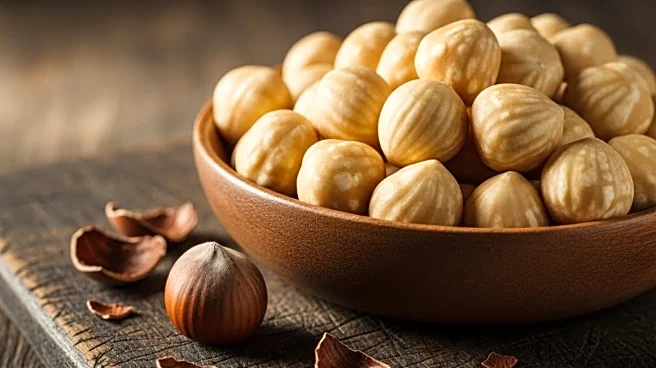
One such unsung ally is the hazelnut. It is compact, versatile and far more nutritionally potent than its indulgent reputation suggests.
A Nutrient Profile Designed For Modern Deficiencies
What makes hazelnuts especially relevant today is their ability to deliver multiple nutrients the modern Indian diet often lacks – without demanding drastic dietary changes. A single 30-gram serving provides heart-friendly unsaturated fats, plant
protein, dietary fibre, vitamin E, folate, B vitamins, and essential minerals such as magnesium, iron and calcium.
“Hazelnuts nourish at a cellular level without overwhelming the body. They offer that balance beautifully. They are nutrient-dense yet easy to digest and incorporate,” explains Kavita Devgan, Dietician and Holistic Health Counsellor. Their creamy texture and mild flavour make them seamless additions to everyday meals, whether eaten on their own or folded into familiar recipes.
Supporting The Heart In High-Stress Environments
Cardiovascular health remains one of India’s most pressing concerns, particularly in urban settings where stress and inflammation are constant companions. Hazelnuts are rich in monounsaturated fatty acids, particularly oleic acid, which helps lower LDL cholesterol while supporting healthy HDL levels.
“Oleic acid makes up nearly 70 percent of the fat content in hazelnuts. This plays a powerful role in reducing chronic inflammation – a silent contributor to heart disease, joint issues and even cognitive decline,” notes Devgan.
In addition, the presence of magnesium, potassium and L-arginine helps relax blood vessels, supporting healthier blood pressure regulation without aggressive dietary restrictions.
Metabolic Balance Without Extremes
Blood sugar instability is another widespread but under-recognised issue. The low glycaemic load, combined with fibre and healthy fats found in hazelnuts, supports steadier insulin responses and more sustained energy levels.
“When people replace processed snacks with a small portion of nuts like hazelnuts, they often notice fewer energy crashes and better appetite control. It’s not about restriction but it’s about smarter substitution,” Devgan explains.
Brain, Mood, And Nervous System Support
One of the most distinctive nutritional strengths of hazelnuts is their folate content, a nutrient not commonly found in high amounts in other tree nuts. Folate plays a key role in reducing homocysteine levels, which are linked to cardiovascular risk, while also supporting brain function, emotional balance and maternal health.
“In today’s high-anxiety lifestyles, nutrients that support the nervous system are crucial. Folate contributes to both cognitive clarity and emotional stability,” says Devgan.
Small Habit, Long-Term Impact
Beyond heart and brain health, hazelnuts support digestion through fibre and polyphenols, while minerals like calcium and magnesium contribute to bone strength, which are often neglected until problems arise. Their culinary flexibility only adds to their appeal, fitting easily into breakfasts, snacks, desserts or savoury dishes.
In an increasingly demanding world, health doesn’t always require dramatic overhauls. Sometimes, it begins with a small, consistent choice. Adding hazelnuts to your daily routine may be one of the simplest ways to build resilience – quietly, steadily and sustainably.