
/images/ppid_a911dc6a-image-178151062239037565.webp)
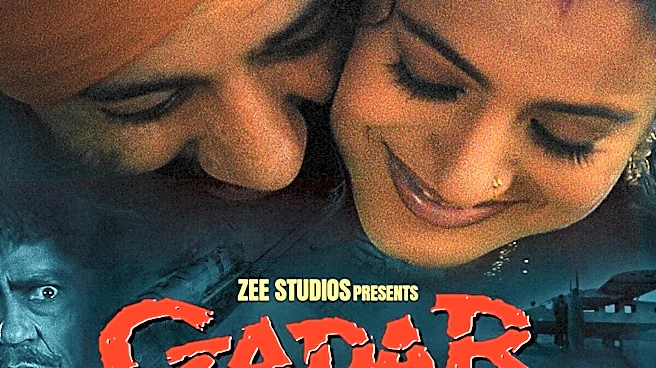


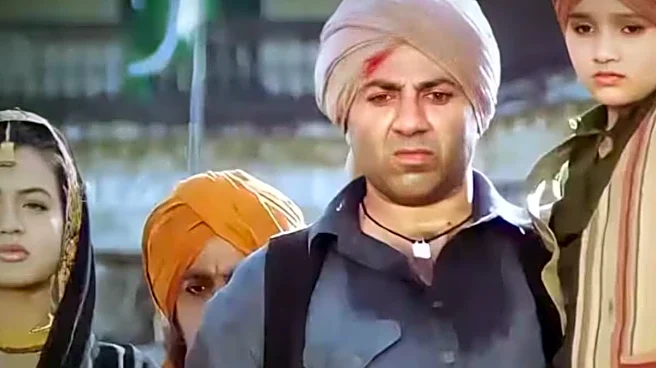
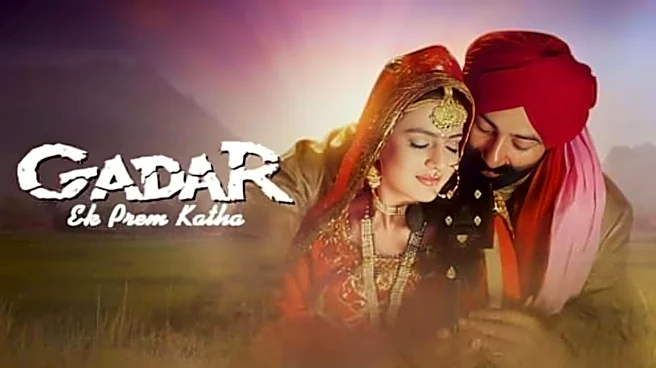
25 Years of Gadar: On June 15, 2001, a truck driver from Amritsar stormed into Pakistani territory, love letter in one hand and rage in the other, and single-screen audiences across India lost their collective minds. Gadar: Ek Prem Katha was a cultural phenomenon, packing theatres with a fervour usually reserved for cricket finals and religious festivals.
The Sequel Nobody Expected But Everybody Watched
Today, exactly 25 years later, Sunny Deol’s Tara Singh remains embedded in the national psyche. And much of that enduring relevance traces back to a gamble the industry took in 2023 with Gadar 2. When director Anil Sharma announced a sequel more than two decades after the original, sceptics were loud. Nostalgia, they argued, couldn’t carry a film on its own. They were wrong.
Gadar 2 released
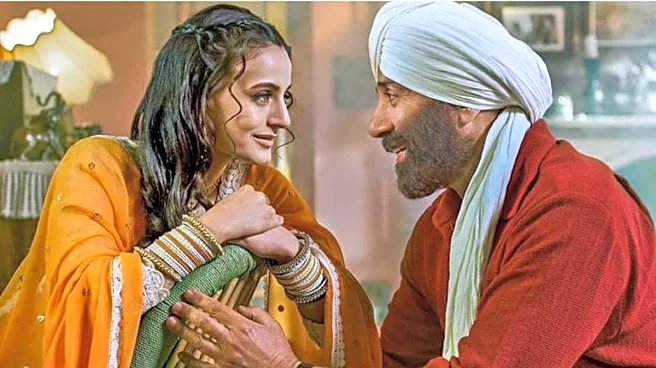
on August 11, 2023, and proceeded to obliterate records. The film earned over ₹500 crore at the domestic box office, making it one of the highest-grossing Hindi films of all time. It didn’t merely trade on memory; it weaponised it — reassembling Sunny Deol and Ameesha Patel, transplanting the action to 1971, and giving fans exactly what they craved: thunderous dialogues, unapologetic patriotism, and another hand-pump moment for good measure.
Nostalgia As Strategy
Bollywood noticed, and within months of Gadar 2’s triumph, studios began excavating their vaults for properties ripe for revival. The logic was seductive: if a 22-year-old sequel could mint half a billion, what other dormant franchises might audiences welcome? Studios realised that audiences had a strong emotional connection to films from the 1990s and early 2000s, especially those associated with major stars.
Nostalgia Sequels After Gadar 2
Border 2
Perhaps the most obvious example of the Gadar 2 effect is Border 2. The original Border (1997) remains one of India’s most beloved war films and a defining title in Sunny Deol’s career. Following the success of Gadar 2, producers moved ahead with a sequel nearly three decades after the original.
Hera Pheri 3
For years, Hera Pheri 3 remained stuck in development limbo. However, the post-Gadar 2 landscape gave renewed confidence to producers looking to revive classic franchises. The return of Raju, Shyam, and Baburao is driven almost entirely by nostalgia. While the film is currently on hold, its revival was heavily buoyed by Gadar 2’s success.
Welcome 3
The Welcome franchise is another beneficiary of Bollywood’s nostalgia wave. The original 2007 comedy remains one of the most watched Hindi films on television, with characters such as Uday Shetty and Majnu Bhai becoming pop-culture staples. Welcome To The Jungle attempts to capitalise on that affection by introducing new characters.
No Entry 2
Released in 2005, No Entry was one of Bollywood’s biggest comedy hits. For years, discussions about a sequel surfaced periodically but failed to materialise. The industry’s renewed faith in legacy properties after Gadar 2 helped accelerate plans for No Entry 2, proving that familiar titles are now viewed as safer investments than original comedies.
Awarapan 2
Awarapan has long enjoyed cult status among Emraan Hashmi fans. While the original underperformed commercially in 2007, it found a passionate audience through television and streaming. The announcement of Awarapan 2 has generated significant buzz among fans of the actor and the film.
Bhaagam Bhaag 2
Priyadarshan’s Bhaagam Bhaag remains one of the most beloved comedy films of the 2000s. Its sequel announcement fits perfectly within the nostalgia-sequel trend. Instead of building a new comedy franchise from scratch, producers are betting on the goodwill generated by a film audiences have cherished for nearly two decades.
Cocktail 2
The sequel to the 2012 romantic drama emerged amid Bollywood’s growing interest in recognisable intellectual property. While a new cast may take centre stage, the project is expected to draw heavily from the nostalgia associated with the original film’s music, characters, and emotional appeal.
Bhool Bhulaiyaa 3
While Bhool Bhulaiyaa 2 had already revived the franchise, the third instalment leaned heavily into nostalgia by bringing back Vidya Balan’s iconic Manjulika. The move demonstrated how even successful modern franchises are increasingly incorporating elements from their original versions to attract older fans while retaining younger audiences.
Why Gadar 2 Worked
Gadar 2’s success arrived at a time when Bollywood was struggling to deliver theatrical hits consistently. Producers became increasingly risk-averse, and nostalgia offered a solution. Established characters already come with built-in audiences, reducing the uncertainty associated with original stories.
Parents who watched Tara Singh in 2001 brought their children to theatres in 2023. The sequel became a family pilgrimage, not just a movie outing. Moreover, Bollywood had increasingly catered to urban multiplexes. Gadar 2 reminded producers that Tier-2 and Tier-3 cities still powered blockbusters — and those audiences responded to familiar heroes and unsubtle emotion.
The film didn’t apologise for what it was. It delivered more of the same, louder. In an era of franchise fatigue driven by over-complication, Gadar 2 proved that simplicity, when backed by genuine affection, resonated. Thus, many studios revived their beloved franchise in hopes of replicating the Gadar model. However, not every revival matched the magic of Gadar 2. It will now be interesting to see how Welcome To The Jungle, Cocktail 2 and Awarapan 2 perform in the theatres.
/images/ppid_a911dc6a-image-178142652465416383.webp)

/images/ppid_a911dc6a-image-178150002650182648.webp)

/images/ppid_a911dc6a-image-178137402134726092.webp)