

/images/ppid_59c68470-image-177493255919331334.webp)
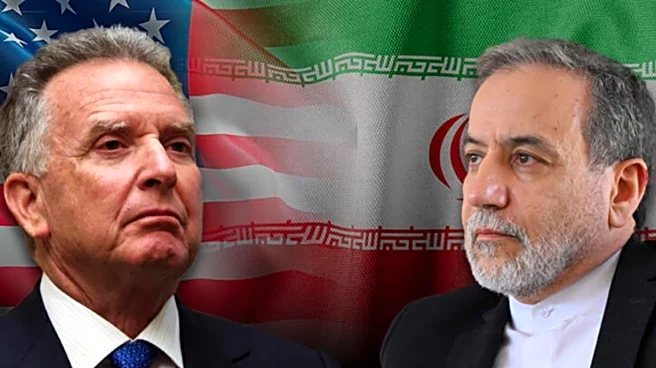
West Asia War: Iranian Foreign Minister Seyed Abbas Araghchi has confirmed that he is in direct contact with US special envoy to the Middle East Steve Witkoff, but emphasised that the exchanges do not amount to negotiations between Tehran and Washington amid ongoing hostilities.
In an interview with Al Jazeera, Araghchi said that he has been receiving direct messages from Witkoff but that does not mean Tehran is in “negotiations” with Washington.
“I receive messages from Witkoff directly, as before, and this does not mean that we are in negotiations,” he told the news outlet.
He also stressed that all communication is limited to message exchanges, either directly or through regional intermediaries. “There is no truth to the claim of negotiations
with any party in Iran. All messages are conveyed through the Foreign Ministry or received by it, and there are communications between security agencies,” he said.
Araghchi also revealed that Iran has not responded to a reported 15-point proposal from the United States and has not submitted any counter-conditions, underlining Tehran’s cautious approach.
“We have not sent any response to the 15 American proposals, nor have we submitted any proposals or conditions,” Iranian Foreign Minister told the news outlet.
Highlighting deep mistrust, he pointed to past experiences, including the collapse of the Joint Comprehensive Plan of Action, saying Iran has little confidence in renewed talks. Araghchi explained that they have never had a “good experience” negotiating with the US, adding that one time years ago they secured a deal, only for the US to withdraw from it, alluding to the 2015 JCPOA.
“We do not have any faith that negotiations with the US will yield any results. The trust level is at zero”, he said, adding: “We don’t see honesty.”
In the Strait of Hormuz, Araghchi said the “reality” is that it lies within Oman’s and Iran’s territorial waters and is therefore ordinary to be used “strategically”.
“Only for the ships of those who are at war with us, this strait is closed. That is normal during war – we cannot let our enemies use our territorial waters for commerce,” he explained.
“Ships linked to other countries – because of security concerns, because of high insurance prices, or whatever other reason – they have decided not to use the Strait,” he said, adding that some of those countries have negotiated with them.
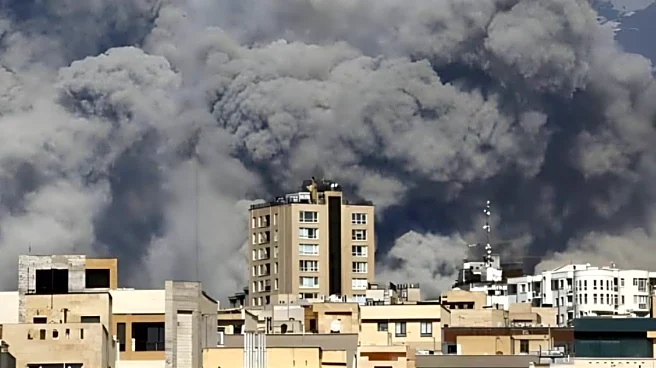
The comments come amid ongoing conflict involving Iran, the United States and Israel, with tensions spilling over into key regions such as the Strait of Hormuz. Araghchi indicated that Iran views the strategic waterway as part of its defensive posture during wartime.
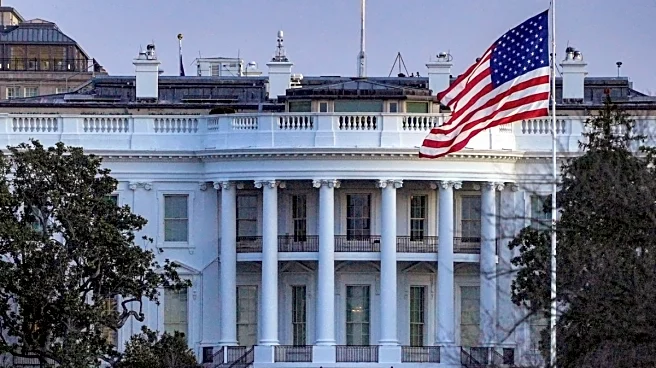
The statement came in response to comments from the United States where White House Press Secretary Karoline Leavitt said talks with Iran were “continuing and going well,” suggesting that Tehran’s private communications differ from its public stance.
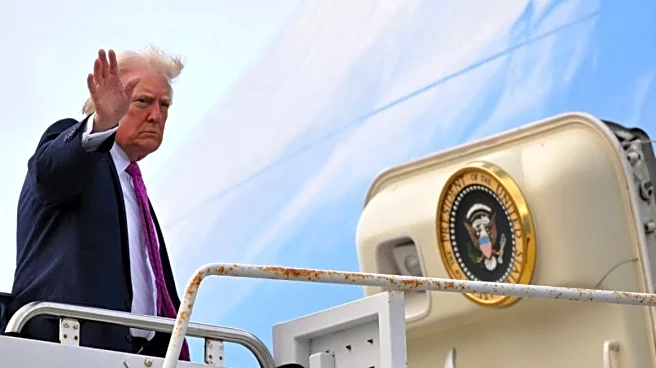
US President Donald Trump has also repeatedly said that negotiations are progressing and that a deal could be reached soon. He claimed that the US is engaging with Iranian officials through both direct and indirect channels.
The Iran–US–Israel war, launched on February 28 under Operation Epic Fury, has now entered its second month with no signs of de-escalation. The conflict, which saw the killing of Iran’s Supreme Leader Ayatollah Ali Khamenei in the initial strikes, continues to intensify across the region.
/images/ppid_a911dc6a-image-177512922689236957.webp)

/images/ppid_59c68470-image-177515260770899803.webp)


/images/ppid_a911dc6a-image-177515005477569359.webp)