
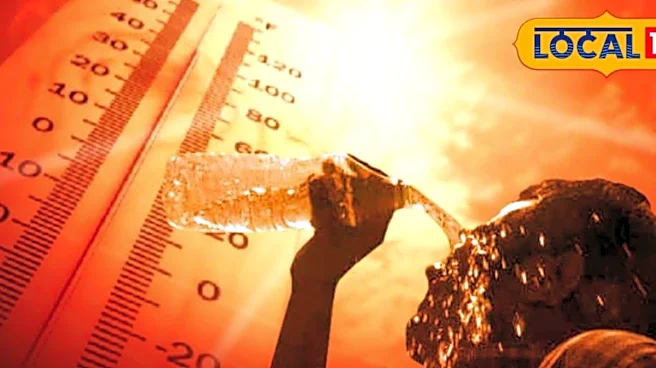
Are you stepping out for a summer trip soon but worried about the unpredictable weather? One minute it is relentless heat that drains your energy, the next it is a sudden storm slowing everything down.
As India grapples with the intense pre-monsoon conditions in April 2026, the India Meteorological Department (IMD) has issued a critical travel advisory. Heatwaves are scorching large parts of the country while heavy rains and thunderstorms loom elsewhere. This unpredictable weather cocktail demands heightened health awareness for all travellers.
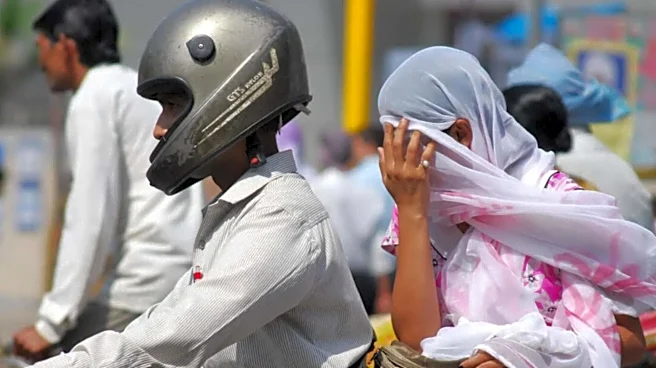
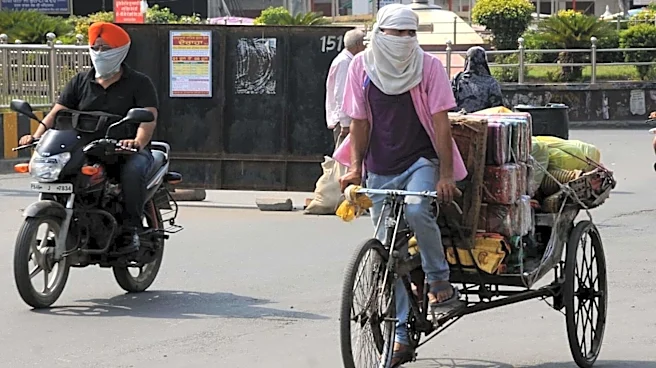
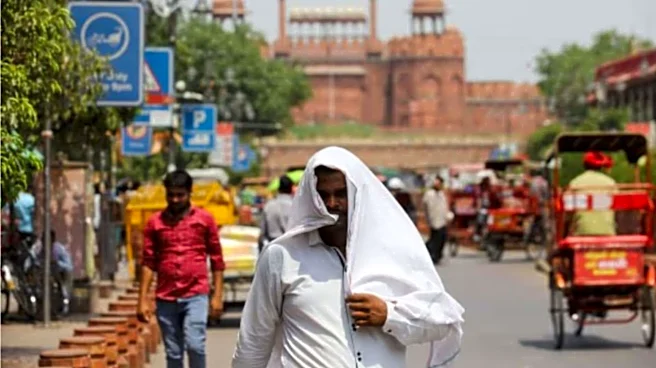
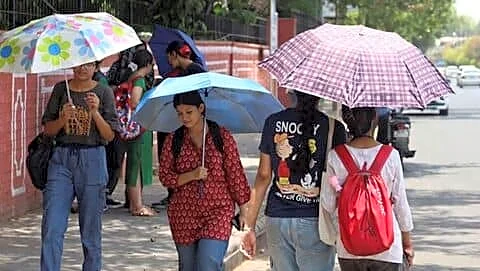
Heatwave conditions continue to grip northern, central, and eastern India, with temperatures climbing into the mid-40s Celsius in states such as Punjab, Haryana, Delhi, Rajasthan, Chhattisgarh, and parts
of Uttar Pradesh and Madhya Pradesh. Simultaneously, the IMD forecasts widespread rain, thunderstorms, lightning, and strong winds across the Northeast, including Arunachal Pradesh, Assam, and Meghalaya, as well as isolated heavy showers in Odisha, Jharkhand, West Bengal, Kerala, and Karnataka.
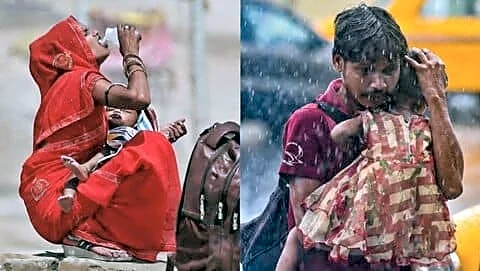
This combination creates unique health challenges: extreme dehydration from scorching days can quickly shift to humidity-driven discomfort and vector-borne risks during sudden downpours.
How To Stay Safe While Travelling?
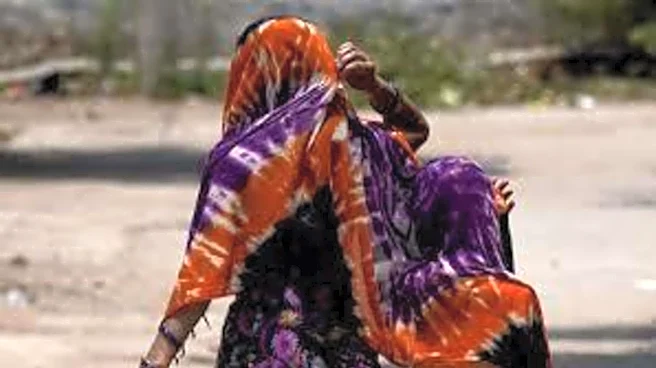
Prolonged exposure to extreme heat puts immense strain on the body’s cooling system, raising the risk of heat exhaustion and life-threatening heatstroke. Early symptoms include dizziness, nausea, rapid pulse, and confusion. Children, older adults, pregnant women, and individuals with heart conditions or diabetes are especially vulnerable.
Practical tips to stay safe:
- Drink plenty of water and electrolyte solutions regularly; avoid caffeine and alcohol.
- Wear loose, light-coloured, breathable clothing and a wide-brimmed hat.
- Avoid outdoor activities between 11am and 4pm.
- Use cooling aids like wet towels or portable fans during road or rail journeys.
- Urban areas such as Delhi can feel even hotter due to the heat island effect.
How Can Travellers Prepare For Storm and Thunder?
While the north battles dry heat, the Northeast and southern regions face heavy rainfall, lightning strikes, and gusts up to 70 kmph. These conditions increase the chance of flash floods, slippery roads, and accidents, particularly for trekkers and those visiting open or hilly sites.
Rapid shifts from hot days to cooler, wet evenings can also trigger respiratory issues, allergies, or asthma flare-ups. Mosquito activity often surges after rains, elevating the risk of dengue and malaria.
Smart precautions include:
- Pack rain gear, sturdy footwear, and insect repellent.
- Monitor local weather updates closely.
- Avoid open areas, tall trees, and water bodies during thunderstorms.
- Carry spare medications and a fully charged power bank.
Advice for Travellers and International Visitors
Those with chronic illnesses, mobility challenges, or young children should research medical facilities at their destinations in advance. International travellers should allow time to acclimatise, stay well-rested upon arrival, and secure comprehensive travel insurance that covers weather disruptions and medical emergencies.

Travel Smart and Stay Healthy
- Check IMD updates and weather apps daily before and during your trip.
- Prioritise early-morning or indoor sightseeing during heat alerts.
- Practise good food hygiene to avoid stomach issues common in extreme weather.
- Listen to your body—rest at the first sign of discomfort.
The IMD has already indicated that 2026 could see above-normal heatwave days across much of the country.


/images/ppid_a911dc6a-image-177674908752768879.webp)

/images/ppid_a911dc6a-image-1776790629516616.webp)

/images/ppid_a911dc6a-image-177678802867735303.webp)