
/images/ppid_59c68470-image-177073753953128063.webp)


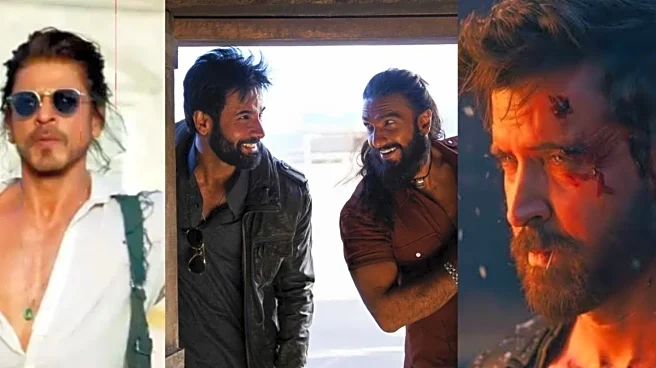
Ever since Dhurandhar hit theatres, the film has found itself at the centre of a larger cinematic conversation. Viewers and critics alike have drawn comparisons between Aditya Dhar’s grounded espionage drama and larger-than-life spy spectacles like Pathaan, Tiger 3 and War 2, often pointing out the stark contrast in tone, texture, and treatment.
While the YRF spy universe thrives on glossy action, heightened heroism, and stylised spectacle, Dhurandhar opts for restraint, realism, and moral ambiguity. Asked whether filmmakers should now lean more towards the gritty Dhurandhar model, actor Danish Pandor offers a refreshingly balanced perspective.
“Cinema Is Subjective, Not Competitive”
For Pandor, the debate itself misses the point. He believes that
cinema is not a battleground of styles, but a spectrum of experiences.
“I absolutely believe both approaches can and should coexist,” he says. “Cinema is a deeply subjective experience. Some audiences prefer stylised spectacle, others gravitate towards realism. Neither is right or wrong.”
Rather than pushing for a single template, Pandor stresses that diversity in storytelling is what keeps the medium alive. According to him, the success of one kind of film should never invalidate another.
Theatre Experience Still Matters Most
Beyond genre and tone, Pandor feels the larger priority should be protecting the theatrical experience itself. Regardless of whether a film is gritty or glossy, what truly matters is that audiences continue to step into cinema halls.
“What matters most is that films continue to be made and experienced on the big screen,” he explains. “Cinema is one of the most beautiful, community-driven mediums we have. You go to a theatre with family or friends, you share an experience, you build memories. That ecosystem is incredibly important.”
For Pandor, cinema is not just about art, but about livelihoods. Every film fuels an entire ecosystem of technicians, artists, and workers, and when one film succeeds, it encourages many more stories to be told.
How Success Creates More Stories
Pandor also highlights how the success of films like Dhurandhar has a ripple effect across the industry.
“When one film works, it motivates other filmmakers to tell more stories. It creates employment. It sustains livelihoods. Hundreds of people come together to make a single film, and that ripple effect matters,” he says.
For actors, this variety opens doors to explore characters that might not exist within a single cinematic framework. Different tones allow performers to stretch themselves emotionally and creatively.
“Sincerity Is What Ultimately Connects”
While acknowledging stylistic differences, Pandor returns to what he believes is the non-negotiable core of cinema.
“As long as a film is being loved by audiences, it’s relevant,” he says. “Whether it’s grounded or stylised, gritty or glossy, there’s space for everything. What’s important is sincerity in storytelling.”
According to him, films should continue to inspire imagination, provoke thought, and transport audiences into different worlds. That, he believes, is the true magic of cinema.











/images/ppid_a911dc6a-image-177073762995729463.webp)
