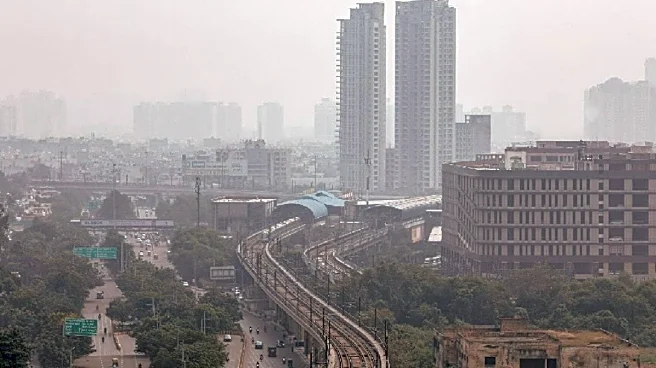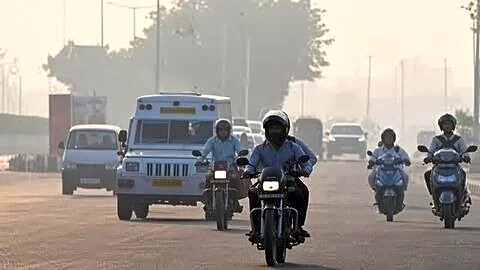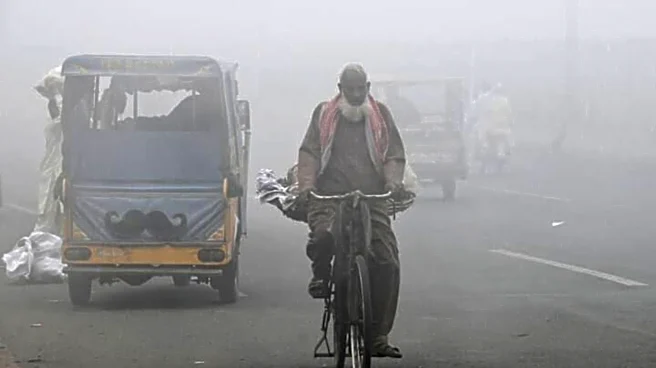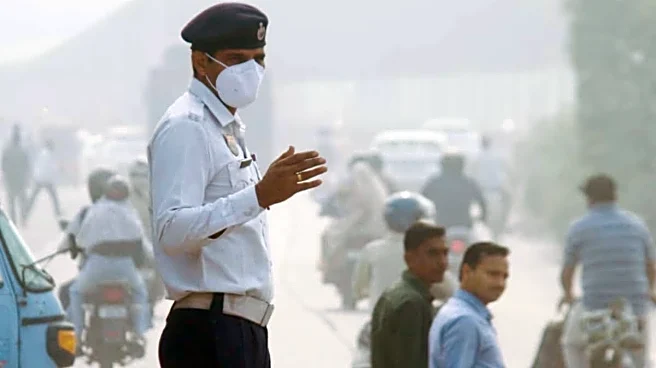

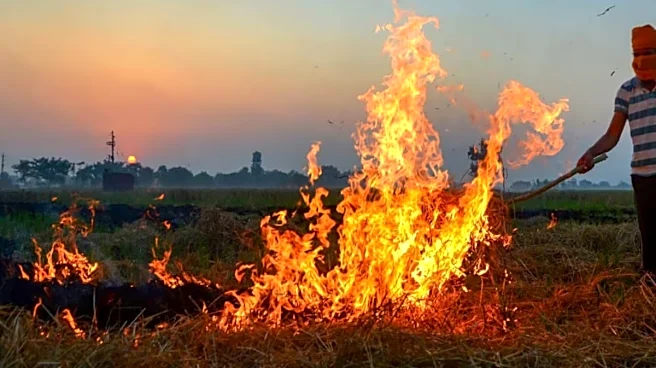

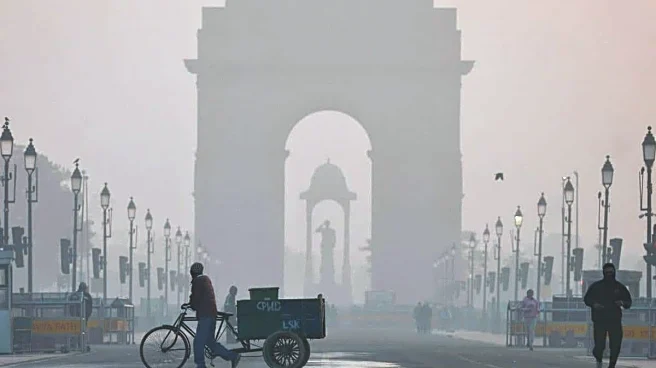
Delhi’s air pollution crisis is worsening days before Diwali, with smoke from stubble-burning fires in Punjab and Haryana adding to the seasonal pollution. But another possible contributor could be across the border in Pakistan, where crop fires in Punjab have risen sharply. Meteorological expert Navdeep Dahiya flagged the trend, warning that smoke from active fires in Pakistan and India could spread across the northern plains, with northwesterly winds carrying pollutants towards Delhi-NCR.
Navdeep Dahiya cautioned that the situation could deteriorate further as stubble burning peaks and low wind speeds make it harder for pollutants to disperse. This keeps Pakistan as a possible additional source, rather than presenting it as an established cause
of Delhi’s pollution.
“Active stubble burning across Pakistan and Punjab is peaking now. Northern plains are, as usual, acting up as landlocked geography. As the fires continue to rise and local emissions will keep on adding, the AQI across the region is expected to deteriorate further in the coming days,” Navdeep Dahiya wrote on X (formerly Twitter).
Delhi’s Air Quality Deteriorates Ahead Of Diwali
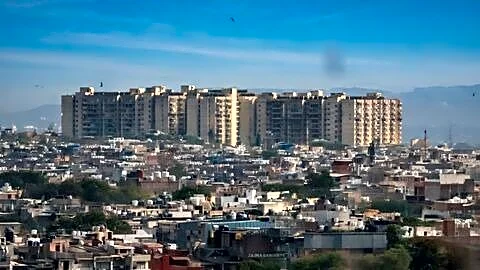
Delhi’s AQI slipped into the ‘very poor’ category on November 2, with the average hovering around 330 on November 3. At least three monitoring stations recorded AQI readings above 400, placing them in the ‘severe’ category. The deterioration has been particularly sharp considering that the AQI stood at just 60 on October 30, following rainfall. Delhi’s average AQI for October was 167, making it the cleanest October in more than eight years. The national capital’s air quality crossed the 300 mark nearly a week earlier this year than it did in 2025, when the AQI first entered the ‘very poor’ category on the eve of Diwali, October 19.
Under the Central Pollution Control Board’s classification, an AQI between 301 and 400 is considered ‘very poor’, while readings between 401 and 500 fall in the ‘severe’ category. With pollution levels rising, authorities imposed Stage II of the Graded Response Action Plan (GRAP). Measures include increased water sprinkling, the use of anti-smog guns and stricter monitoring of construction sites.
Pakistan Punjab Records More Crop Fires Than Punjab In India
Satellite data cited by Pakistan’s Dawn newspaper highlighted the scale of the recent increase in crop-fire activity across the border. Pakistan’s Punjab recorded 13,241 fire detections between October 1 and 29, compared with 3,158 in India’s Punjab during the same period. This is more than four times the number recorded on the Indian side.
The difference was particularly pronounced in the final week of October. Pakistan Punjab recorded 6,655 fire detections in the last seven days of the month, accounting for nearly half its total for the October 1-29 period. A large number of the fires were concentrated in the rice-growing belt around Lahore. The city, too, has been grappling with severe pollution, ranking as the world’s most polluted city on November 2, with AQI readings reportedly crossing 500 in several areas.