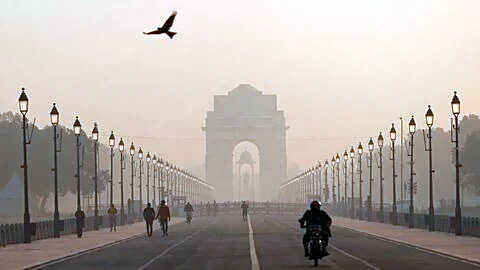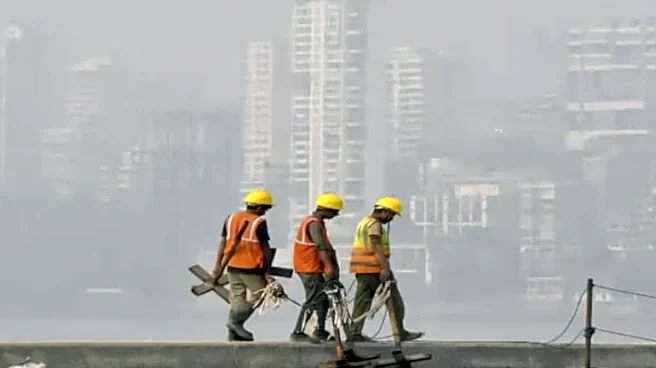



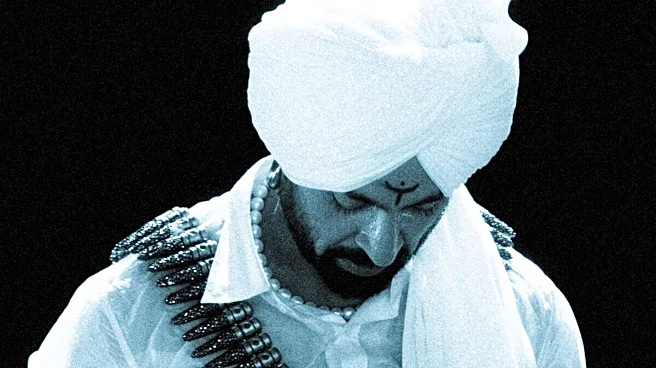
India has never been a single image. Anyone who has tried to hold it in one frame knows how quickly the attempt collapses. The 2027 Pirelli Calendar, unveiled in New Delhi on 23 October, begins from that admission. For the first time in its 53 editions, the project hands the camera to three photographers at once: Sølve Sundsbø, the late Raghu Rai, and his daughter Avani Rai.
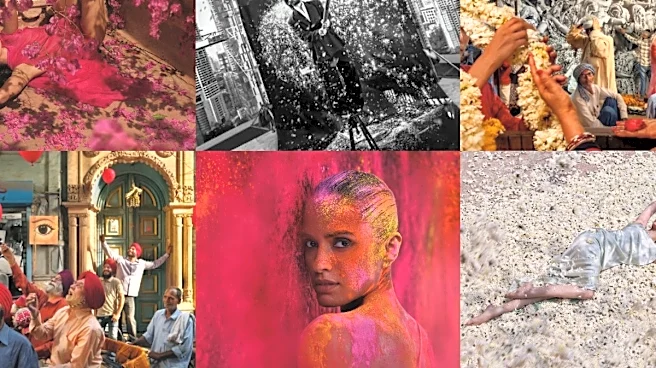
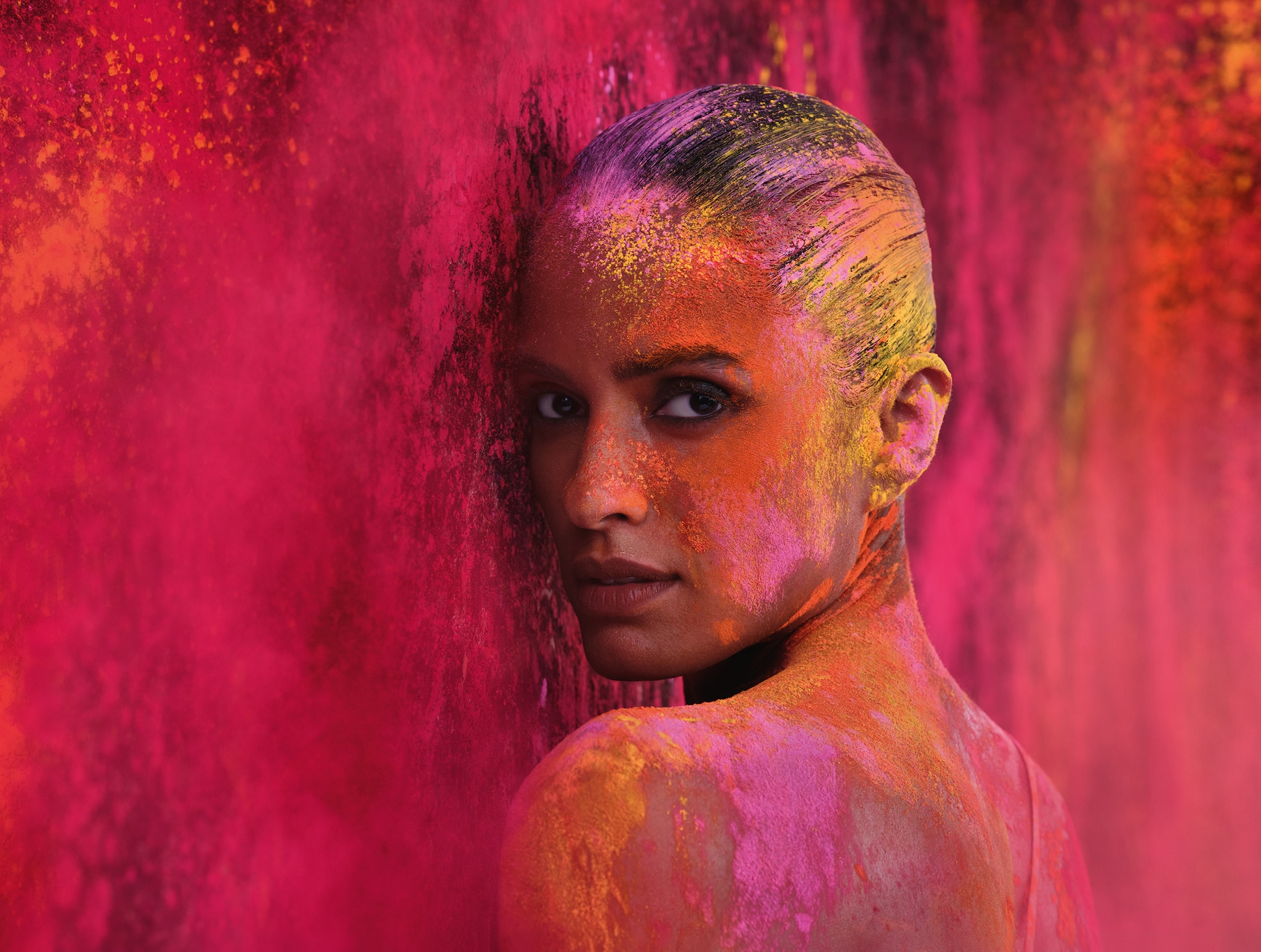
Sundsbø arrived as the outsider and chose to stay one. Rather than attempting a sweeping portrait of India, he limited himself to nine women with ties to the country, photographed between Jaigarh Fort in Jaipur and Ajabgarh in Rajasthan. Colour, fabric, reflected light and the hard geometry of stone do most of the talking.
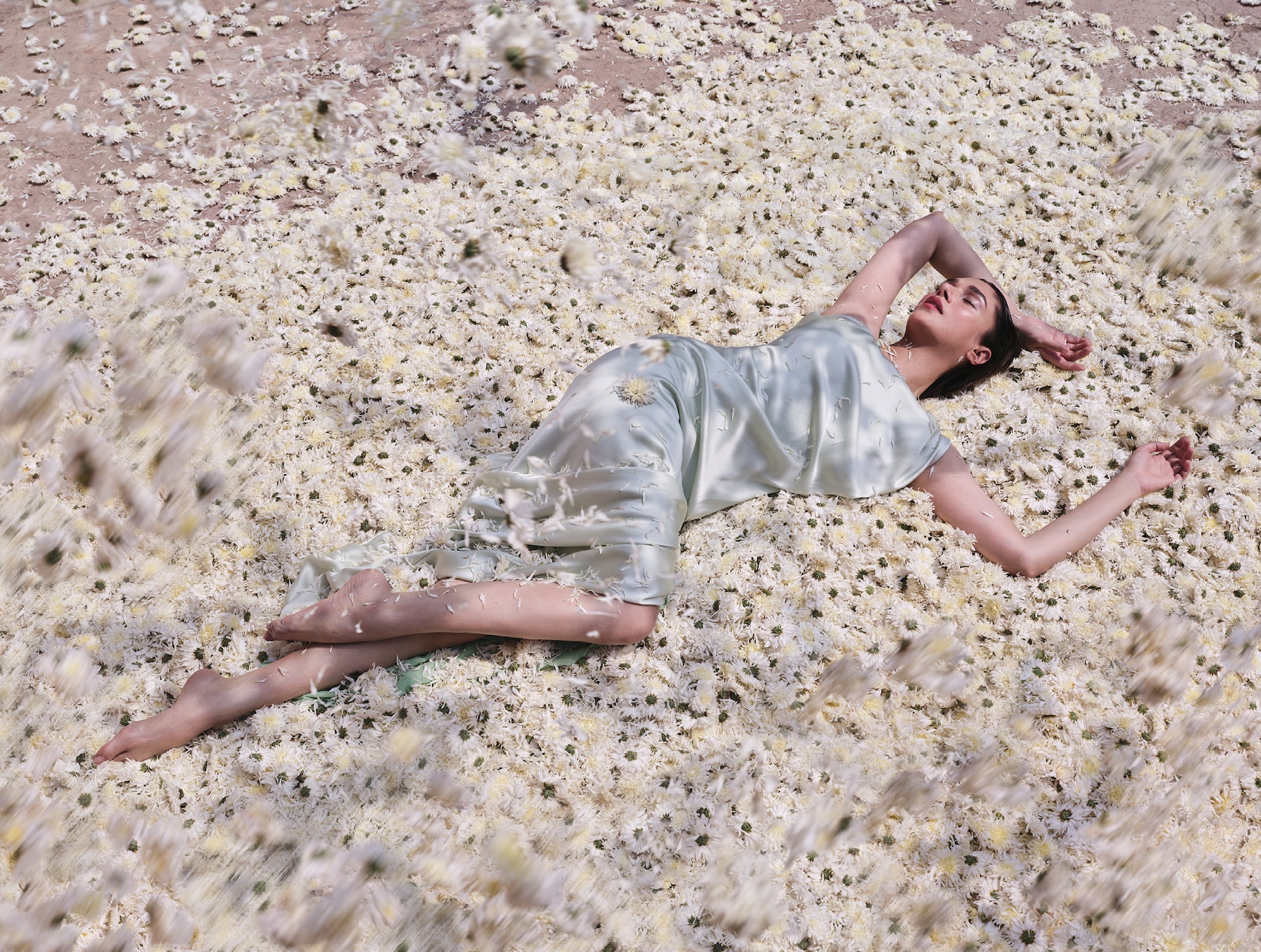
The women in front of his lens—Aditi Rao Hydari, Freida
Pinto, Anoushka Shankar, Rupi Kaur, Padma Lakshmi, Lakshmi Menon, Bhavitha Mandava, Avantika Vandanapu and Avani Rai herself—come from cinema, music, poetry, modelling, television and photography. Their range is the point. Sundsbø has been frank about the limits of his position: he did not feel he had the right to claim the country’s deepest register, and so he left that work to the Rais.
That decision gives the calendar its emotional centre. Raghu Rai had already begun shaping a concept before his death in April 2026—bringing pictures from his own archive into conversation with the present. After he died, Avani could have finished the assignment in the studio as planned. Instead she took the photographs, published and unpublished, back to the streets where many of them were made. In Old Delhi and Mumbai she placed her father’s images inside the living city and photographed the world of 2026 moving around them. Markets, alleyways, the Yamuna, fishing villages, rooftops and schoolyards press against the older frames. The past picture stays intact; the present refuses to stay outside it.
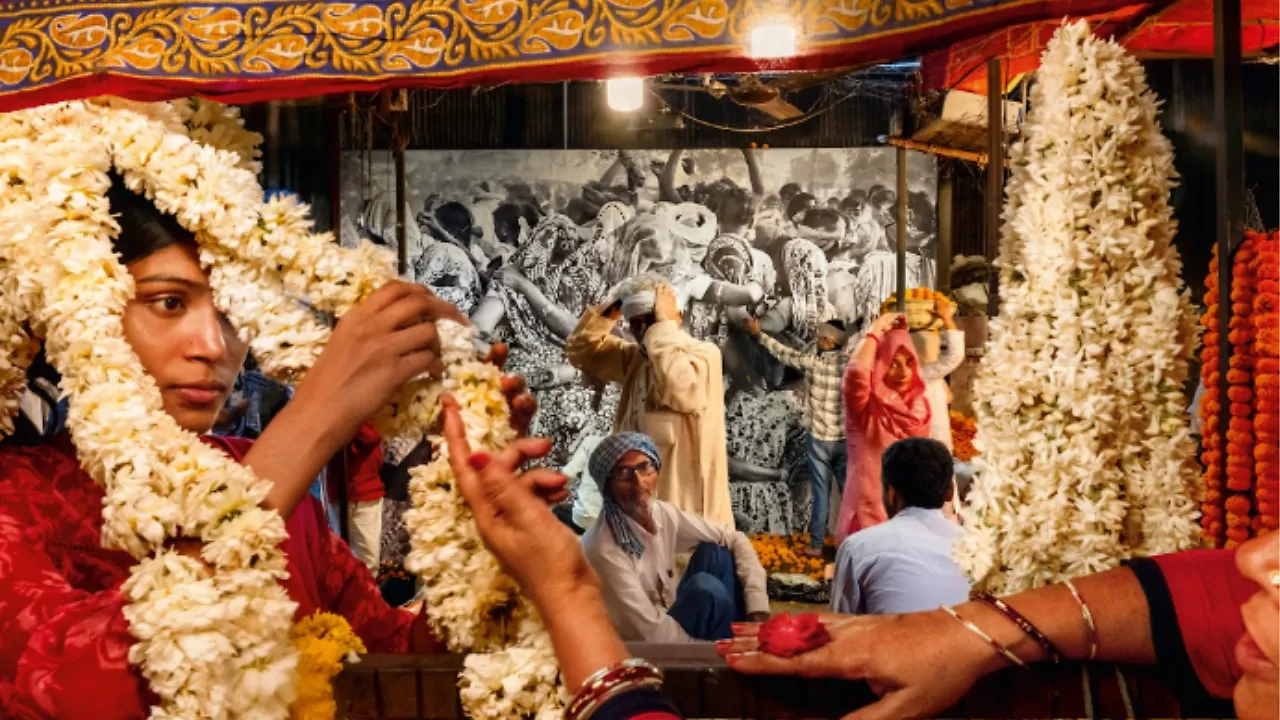
“My father belonged to the street,” she has said. “I take a step back, spiritually and literally. I stand behind him.” Elsewhere she puts it more simply: the past keeps existing in the present, in the nuances. Watch any neighbourhood long enough and you see the same double exposure—new surfaces, older bones, rituals that adapt without quite disappearing. Avani keeps the frames open rather than polished. She has described the viewfinder as a place where time slows and she meets her father again, not by copying his eye but by practising the patience he taught her: wait, stay open, let the ordinary turn extraordinary.
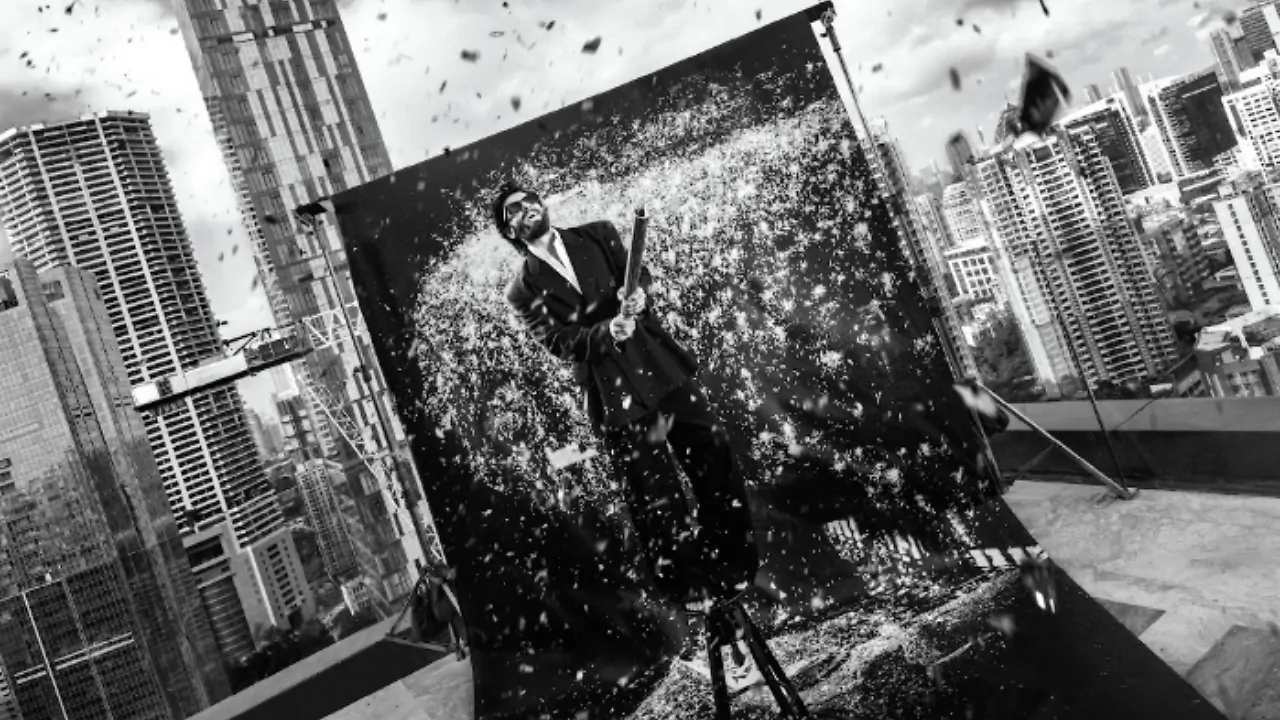
Around 130 people move through her half of the calendar—residents, dancers, artisans, young people, her mother, Ranveer Singh. The mix feels continuous with Raghu Rai’s own lifelong refusal to separate the remarkable from the everyday. Sundsbø’s portraits and the Rais’ street-level time-travel sit in the same box set, 18 images each, two pockets, 36 photographs in total.
The Pirelli Calendar has spent six decades tracking shifts in beauty, culture and mood. This edition arrives when India’s place in the global imagination feels especially charged. Its real achievement is much more nuanced. It treats the country as something that cannot be summarised, only approached from more than one direction at once.